Welcome aboard to the our video site for sailors. We are being constantly blasted by scammers and pirates, so registration is invite only
contact@sailorsahoy.com with "Invite". No spam, no newsletters. Just a free account
পালতোলা নৌকা
সাব ক্যাটাগরি

Douro à Vela Info: www.douro-a-vela.pt
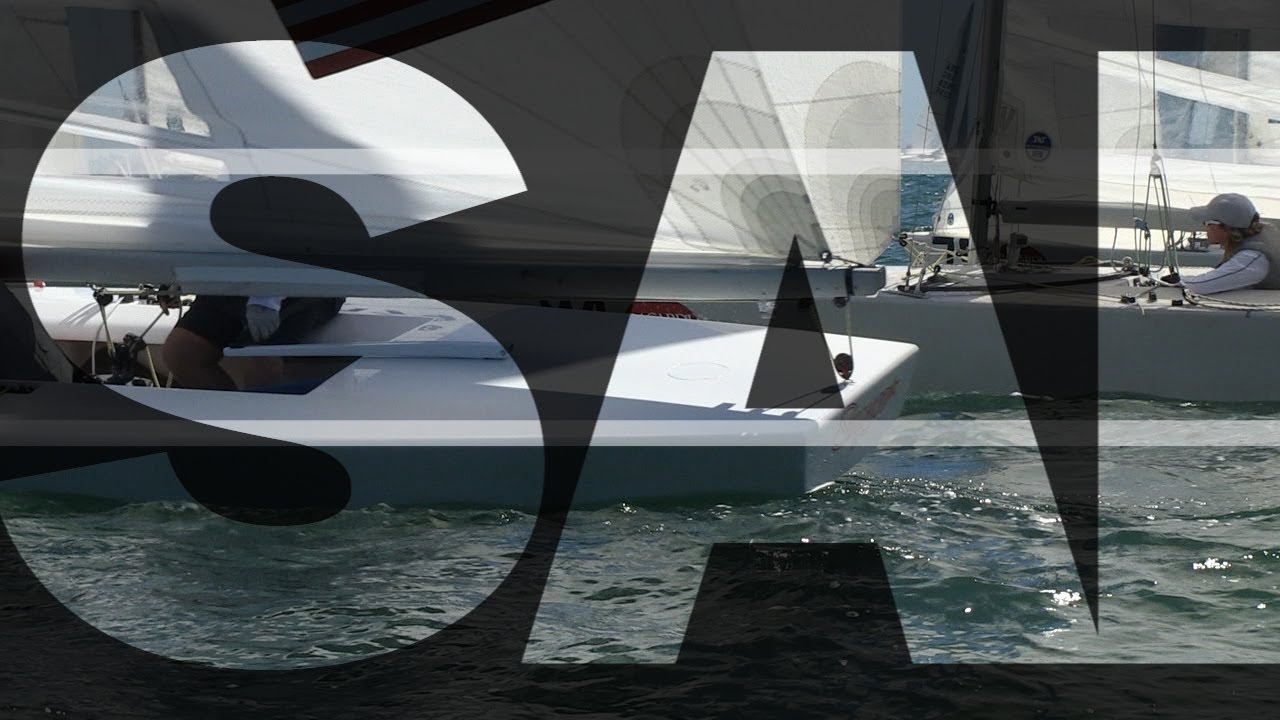
A bit more breeze from the North piped into Biscayne Bay to see the Stars off on their first start attempt! A new leader surfaced veteran of the regatta, Lars Grael holds the overall lead.

Bora Gulari, two-time Moth World Champion, reveals to Bill Goggins, his go-fast secrets, the importance of the help of friends, the lessons of heroes and future goals. Recorded November 2013, a transcript of this interview appeared in the February 2014 edition of Seahorse magazine.

Learn about sails. What they do and what the parts of a sail are called. Then impress your friends in the bar with technical sail talk :)

Are you learning to sail? Sailing has lots of technical names for every part of the boat and rigging. At first this all seems daunting to get to grips with, but we recommend you do. Understanding what all the parts are called really helps in communication between helm and crew particularly in hectic times. It is worth taking the time to understand and learn all the key names. This video will help you to identify the key parts of a boat and rigging as you learn how to sail.

How to sail - Know your boat. In this video you will learn all the key names of the parts of the boat to help you as you learn to sail
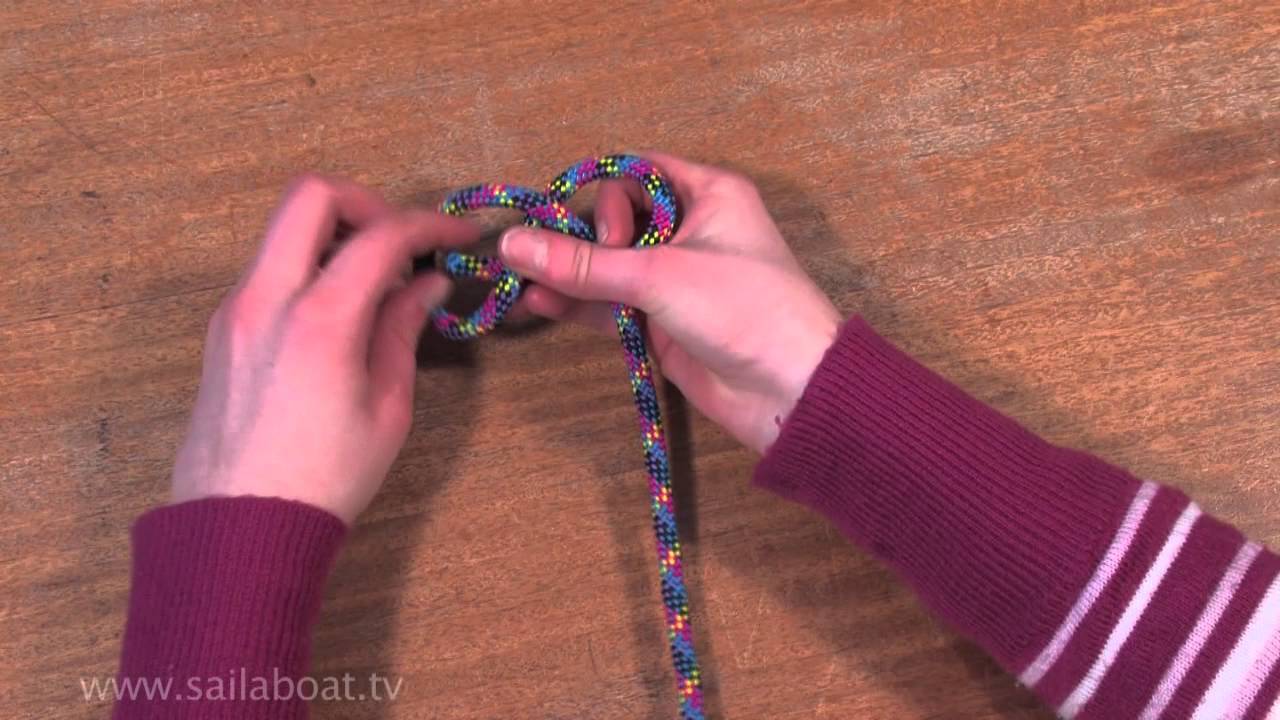
Knots are important to understand as you learn to sail. The figure of eight is one of the knots used to tie on the end of a line to stop it from pulling free of a cleat or fairlead. Probably the easiest knot of all to tie it is an effective security lock on a windy day to stop you losing any control line or sheet breaking free. As you learn how to sail practice how to tie a knot.

The reef knot or square knot as known in the US is the knot to use when you want to tie two pieces of equal thickness rope together. Do not mistake this with the granny knot which is the worst knot in the world, the reef knot is easy to tie and untie and performs well under load.
0

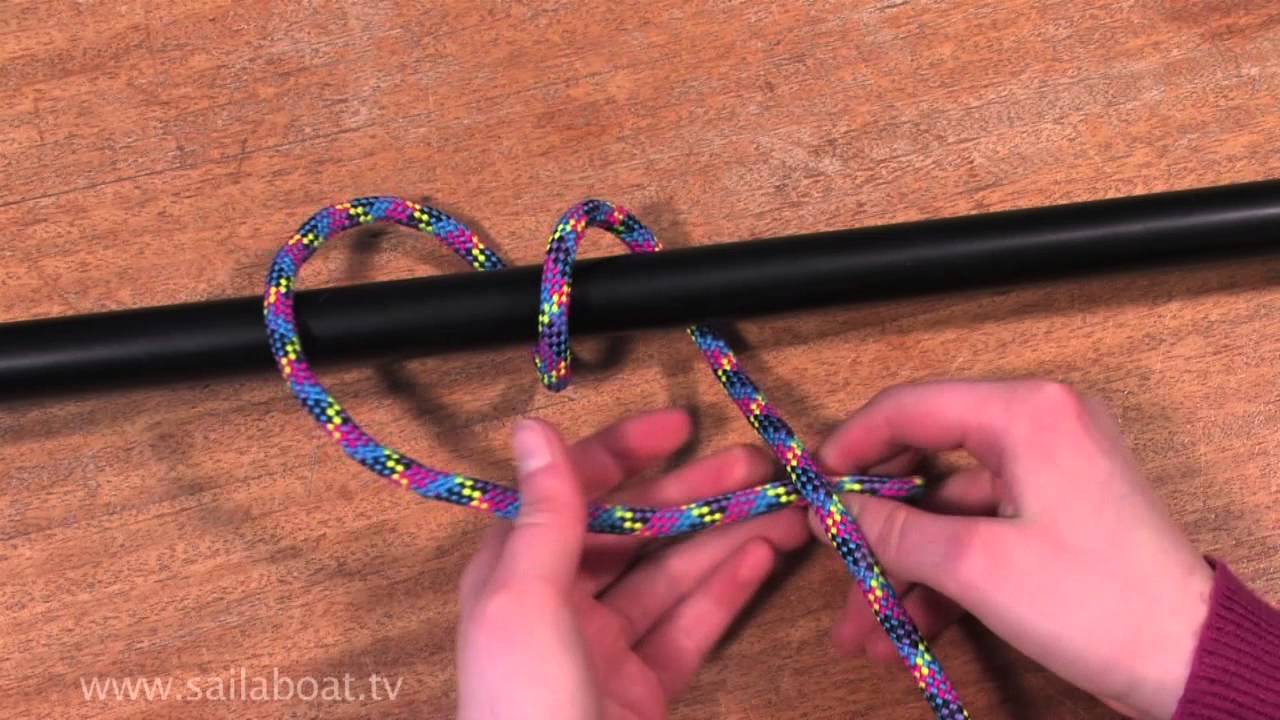
The bowline knot is one of the more complex knots used in everyday sailing. The knot creates a fixed loop which can then be used to attach to something. It works very well under load and is easy to untie even after huge pressure has been applied. Be warned that they can shake undone if left to flap on the clew of a sail! But overall a great knot to learn how to tie and has many uses in everyday life

The Lagoon 421 is designed to meet the needs of sailors whose first concern is comfort and space, without sacrificing the pleasures of pure sailing.

After seeing over 260 boats built in three years, the Lagoon 400 (launched in 2009) has found a new lease on life through Nauta Design's work on the boat's interior fittings. Suggestions received from owners have enabled Lagoon to produce a boat that is even more welcoming, with a greater level of comfort, and resolutely modern: the result is the Lagoon 400 S2, a nod to its famous predecessors, the Lagoon 410 S2 and 380 S2.

The Lagoon 39 affiliation with the new Lagoon generation is apparent on first sight: vertical, bevelled bows, aft centered mast for sailing performance and ease of handling ... a strong character indeed! Visit The Catamaran Company at www.catamarans.com for more information.

Undisputed world champion in its category (more than 700 boats delivered in 2013), the Lagoon 380 is still going strong. It's fast, easy to manoeuvre and safe, and has a legion of fans spread across the world's oceans. Visit The Catamaran Company at www.catamarans.com for more information.

0

TMC Senior Broker, Derek Escher, discusses how to properly outfit a boat for liveaboard voyaging.

TMC Senior Broker, Derek Escher, discusses how to properly outfit a boat for liveaboard voyaging.

Enjoy a lovely day aboard our Catamarans. We promise that this trip will be the highlight of your stay on Santorini and provide you memories for a lifetime.

Vlog number 7. Big car show in Venezuela, having a good time with friends, and we almost lost a wheel because of a bad tire shop. Enjoy this one. For more info, go to: WWW.LOSERSinaLEXUS.NL Music: Free Royalty Free Music by Incompetech.com

Moinhos de Ovil

0

Nach der anstrengenden Atlantiküberquerung sind in Grenada erstmal 2-3 Tage Riffferien mit Zeit für Schnorcheln, Baden, Tauchen und Genießen.

Schnorchelnd werden die Mangrovenwälder in Grenada erkundet.

0

0

La vacanza in barca a vela è un esperienza unica...ed almeno una volta nella vita bisogna provarla....Il senso di libertà che una barca a vela può regalarti, l'emozione di scoprire nuove baie, condividere i piccoli spazi di barca....se a tutto ciò si aggiunge il sole, il mare, il vento ed i paesaggi mozzafiato del golfo di Napoli, la magia si è realizzata.....
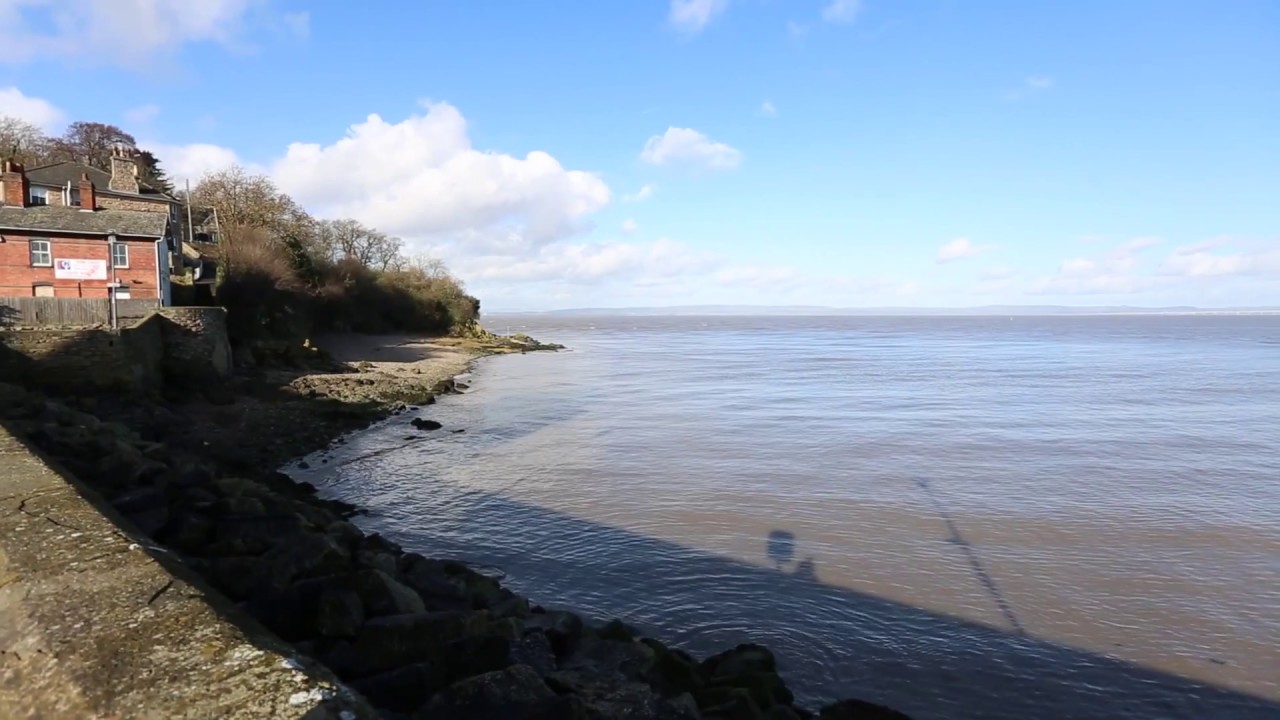
Sailing Today takes a look round Portishead Marina for their monthly Gull's Eye feature.
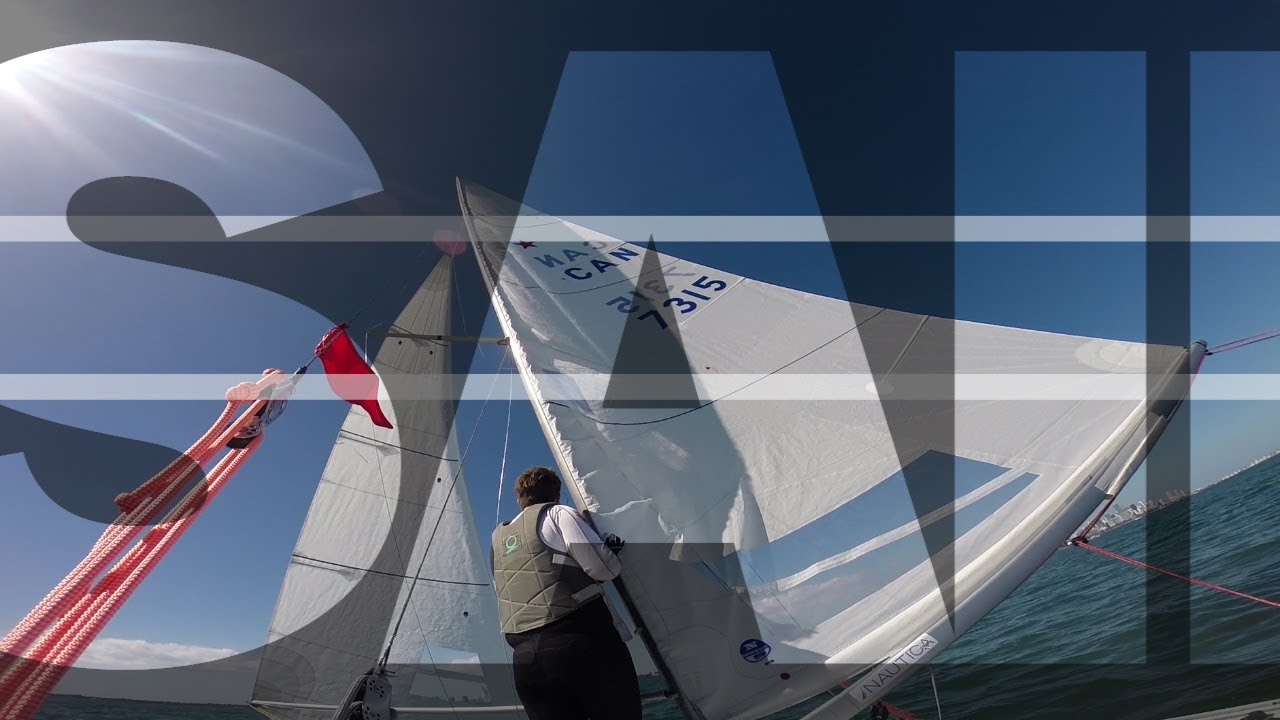
The first day of the Bacardi Cup for the Stars was on the light side, but 3 false starts and a black flag were enough to make it dramatic for some of the teams. Thank you John Hokanson and Stuart MacIntosh from Chester Yacht Club in Nova Scotia for carrying the onboard camera today!

segunda Caida mastil de un velero van de stadt 34 frente a Cabo Santa Marta Brasil

http://www.saffieryachts.com/en/about-saffier - Saffier Maritiem BV is a family business of the Hennevanger Brothers. Both brothers are active in sailing to this day. Dean likes to sail with his family in a Saffier 8.00. Dennis is often to be found in sailing competitions. By remaining actively involved they are on the alert for new developments that may possibly be adapted for the Saffiers.
http://www.saffieryachts.com/de/geschichte - Saffier Maritiem BV ist ein Familienbetrieb der Gebrüder Hennevanger. Beide Brüder sind bis zum heutigen Tag aktive Segler. Dean liebt es, mit seiner Familie, eine Saffier 8.0 zu segeln. Dennis bevorzugt Regatten und ist dabei sehr erfolgreich. Sie sind stets auf der Suche nach neuen Entwicklungen, die sie bei ihren Saffiers verwenden können.

A recap of the Key Learning Points to take away from the sailing environment and the next steps you should take to ensure you understand them comprehensively.

An informative video on boat safety and what to do when a man falls overboard when sailing a dinghy.
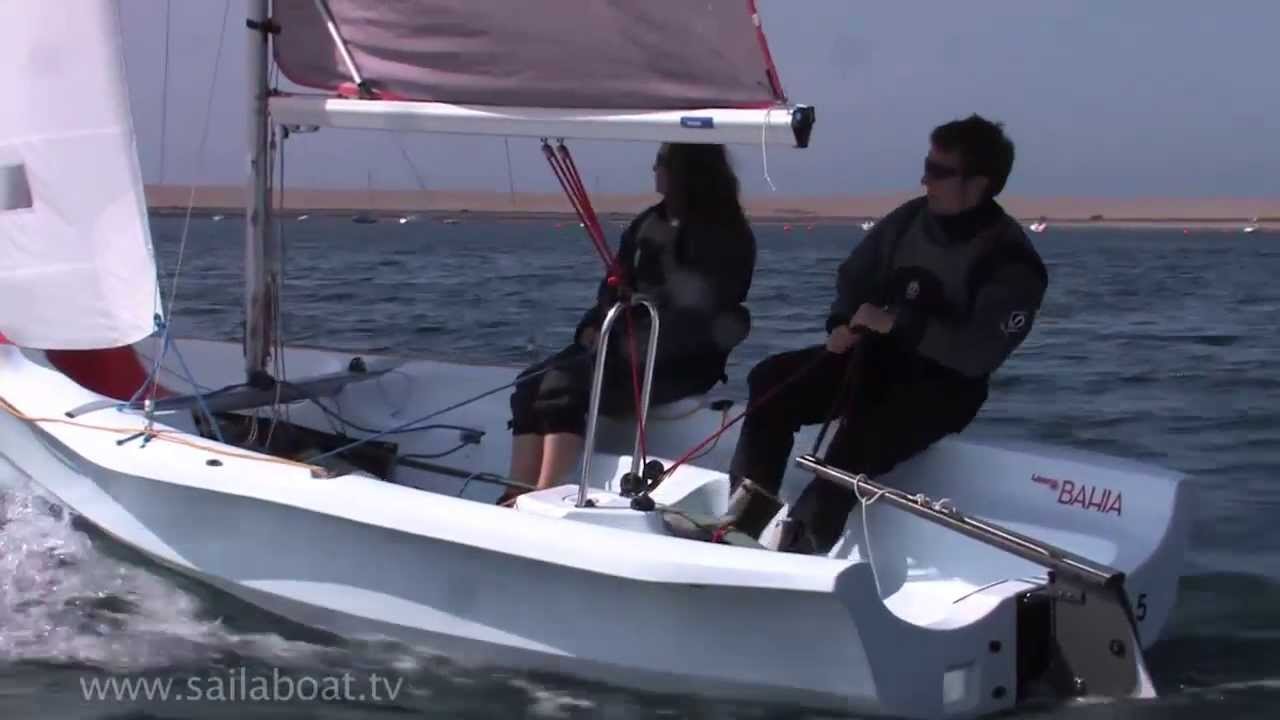
An informative video on how to be aware of the environment around you when sailing a dinghy.

An introduction to some of the rules you should adhere to when sailing a dinghy.

Some practical examples of rules to adhere to when dinghy sailing
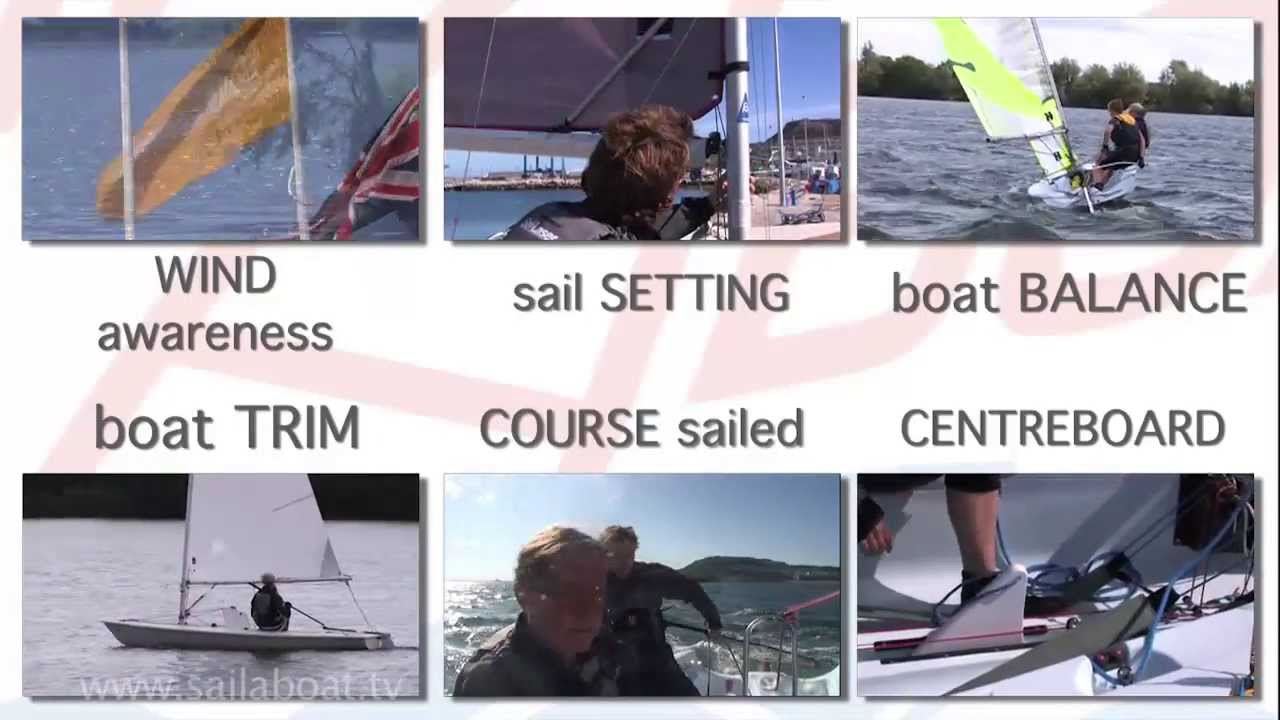
The essential factors are most commonly known as the five essentials. These are factors considered the most important to allow a boat to sail to its full potential. Each factor is as important as the other, and as one changes there is a knock on effect on the others. When you go on a course you will most probably find this called the 5 essentials. However we think that what the wind is doing is SO important that this should be included in this section as well and have made ours a list of six essentials. Wind awareness is the only essential that happens outside of the boat but it has a DIRECT impact on absolutely everything that happens on board a boat. You MUST understand where the wind is blowing from at all times afloat to allow you the best chance to then look at and understand the other factors in turn. Without understanding where the wind is blowing from there is a risk you will be lost and not fully understand what to do with regard to the remaining factors. This video introduces the concept of the essential factors and illustrates what to look for.

An informative video on what to wear when participating in dinghy sailing.

The essential factors of sailing. Part 2 of 9: Wind awareness is the key to sailing. You MUST build an awareness of what the wind is doing and bear in mind that this is fixed to the environment. As the boat turns the wind moves. Think of the wind as the top of a compass dial that is floating in the water and as your boat turns you are turning on this compass dial. As you walk along the street try to look at the wind, building an instant understanding of the wind and its direction. This is a really big thing to get to grips with and forms the understanding of absolutely everything else that happens on your boat.

The essential factors of sailing. Part 3 of 9: Sail setting Close-hauled. This is when you are sailing upwind. Basically pull the control sheets tight and steer the boat to find the edge of the no go zone. This keeps you right on the edge of the close-hauled point of sail and you need to concentrate to claw your way upwind.

The essential factors of sailing. Part 4 of 9: Sail setting Reaching. Sails generate maximum power when they are not flapping. I call it flag mode when they flap. You are trying to have a gentle and smooth curve on the sail. The only exception is if you get overpowered and you want to dump some power. But until that point find the point when the sail just fills evenly. Ease the sail control lines called sheets until they start to flutter, then pull them in until they stop fluttering.

The essential factors of sailing. Part 5 of 9: Boat balance. Try to keep the boat flat at all times. they just go faster. Think of turning when on ice skates, what do you do? lean on one leg and you turn. Boats behave the same way. Heel over and it will turn. to keep going straight you apply rudder which causes huge drag. When coaching this is a BIG offender to peoples boat speed. Keep it flat makes the rudder straight, with less drag which means more speed.

The essential factors of sailing. Part 6 of 9: Boat trim is arguably the biggest offender for poor sailing. When learning a big mistake is to sit too far back. Boat trim maximises the waterline length with a smooth entry and exit for the water. Boats when they are not planing are capable of a speed that is the square root of twice the waterline length. When planing is introduced which is when the wind picks up and you are sailing across or away from the wind, different rules apply and you need to move back
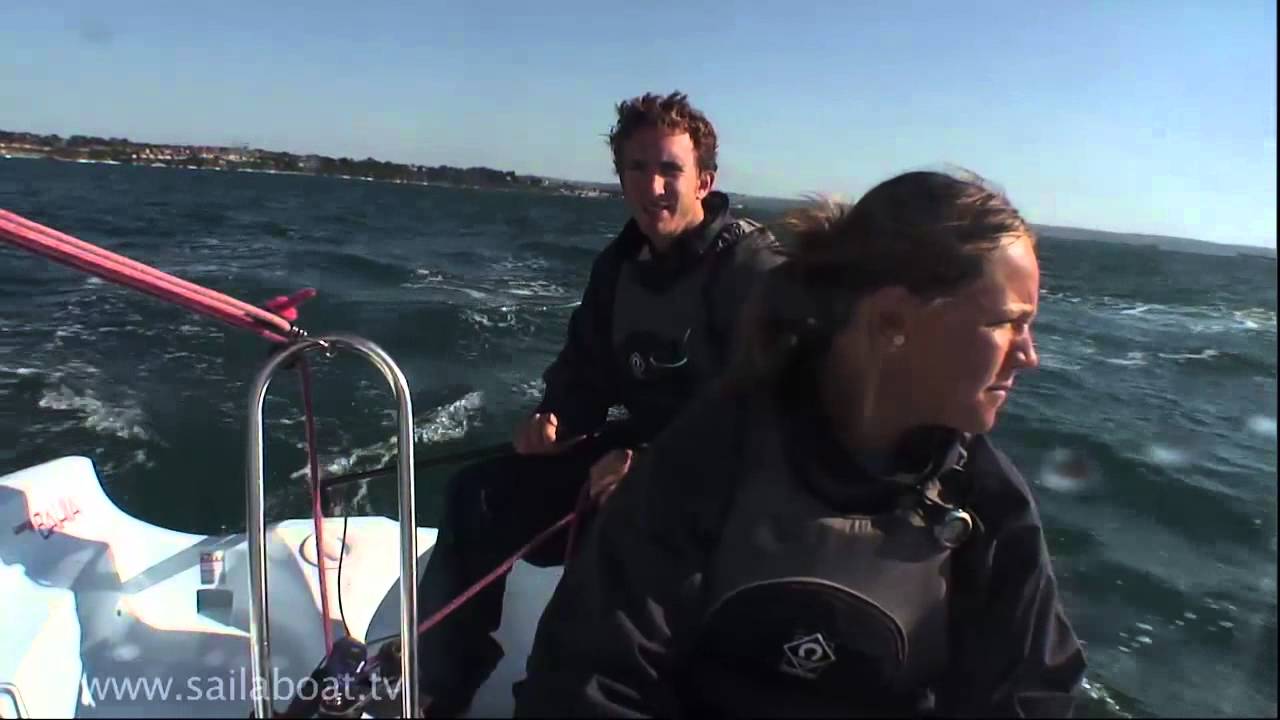
The essential factors of sailing. Part 7 of 9: Course sailed. you must keep an eye on where you are trying to get to. One common mistake we see time and time again is folk happily sailing along and not really paying much attention to where they are trying to get to. Course sailed is the shortest distance sailed to reach your intended destination. Particularly when racing you need to sail the shortest distance

The essential factors of sailing. Part 8 of 9: Centreboard. The centreboard is sometimes called daggerboard. This is due to how the board is installed in the boat. daggerboard rides up and down and a centreboard pivots and hides in an internal case on the boat. The centreboard is used to counteract the sideways force of the sail when they are pulled in. Mainly used on close-hauled or upwind legs, the centreboard is progressively raised as the boat turns away from the wind.

The essential factors of sailing. Part 8 of 9: Key learning points. These are the key points we want you to remember. Use this video as a revision for the essential factors. It is vital to keep looking at all the essential factors as you sail along. They are all interlinked and as one changes there is a knock on effect to the others.

Rigging can be a complex process with a variety of ropes and lines and hooks. It is a basic process to understand as you learn how to sail. Understanding what they all do is important because it allows you to know wht rope does what and how to rig the boat effectively and safely. A badly rigged boat can be hazardous and potentially dangerous so take the time to get it right

Learning to sail will mean you must know how to reef. Reefing is the term used to describe the action of reducing he amount of sail area. By reducing sail size in a controlled manner the boat will still sail but with less drive from the sail. The benefit to the sailor particularly when learning is that the process will allow you to sail in a wider range of wind conditions and perhaps sail on windier days where a capsize is very likely if you don't reef. This short video will help you to see how a modern sailboat is reefed and get the best out of your sessions as you learn how to sail

Take 30 years of innovation in catamaran design, 40 years of the finest, most advanced research and development in American yacht manufacturing, passion, customer feedback, craftsmanship, and an entirely new, collaborative way of doing business and the result is.......... stunning.

Watch Gemini Hull 1154 make her journey from the factory in Florida to Navy Pier in Chicago. The Gemini Legacy 35 made its mid-West debut at the Chicago Boat Show and sailed away with top honors as Best in Show. She made her own legacy as the first-ever cruising catamaran to appear at this event. For more information about the Gemini Legacy 35, visit geminicatamarans.com