Welcome aboard to the our video site for sailors. We are being constantly blasted by scammers and pirates, so registration is invite only
contact@sailorsahoy.com with "Invite". No spam, no newsletters. Just a free account
شلوار کوتاه ایجاد کردن

There’s an undeniable, almost primal pull we feel toward the ocean. It's a need that's been studied and given a name: *Blue Mind,* a term coined by marine biologist Wallace J. Nichols to describe the meditative, calming state we enter when near water. The vastness of the sea provides a powerful escape from the clutter of daily life, offering a sense of perspective that can make our own problems feel smaller. Beyond the mental relief, there are tangible physical benefits. The rhythmic sound of waves and the fresh, salty air—which contains a higher concentration of **negative ions**—can lower stress hormones, improve mood by boosting serotonin levels, and even promote better sleep. This is why a simple walk on the beach or a few minutes spent watching the tide ebb and flow can feel so restorative. Our connection to the ocean is also deeply rooted in our need for activity and inspiration. It provides a natural playground for everything from swimming and sailing to quiet reflection and artistic expression. Ultimately, the ocean gives us a chance to disconnect from the modern world and reconnect with a fundamental part of ourselves—a need for tranquility, wonder, and the powerful embrace of nature.

0
0
0
24

We are going out, but it'sraining and we are loving it. You can also follow us on our blog: https://www.chrisdoeswhat.com/ Or go to great recipes: https://www.dininginwithdanielle If you have a request, please see our blog and go to contact. Sponsor Links: Best Blog Hosting: https://www.bluehost.com/?utm_source=www.chrisdoeswhat.com&utm_medium=affiliate&utm_campaign=affiliate-link_chrisdoeswhat_notype Easy low-cost Financial Investing: Acorns Investment - https://www.acorns.com/invite?code=ach8rs Save money and time with Filter Easy Air Conditioning Filters: https://www.shareasale.com/r.cfm?b=562747&u=1829145&m=51532 Healthier living at: Plexus - https://plexusworldwide.com/daniellemarie/home
0
0
0
98

0

0
0
0
2,866

The Sea Pen is one of the fascinating creatures that you might be lucky enough to see when exploring the Great Barrier Reef! Credit: Shane 'Sharky' Down, Silversonic
0
0
0
1,703

0

0
0
0
18

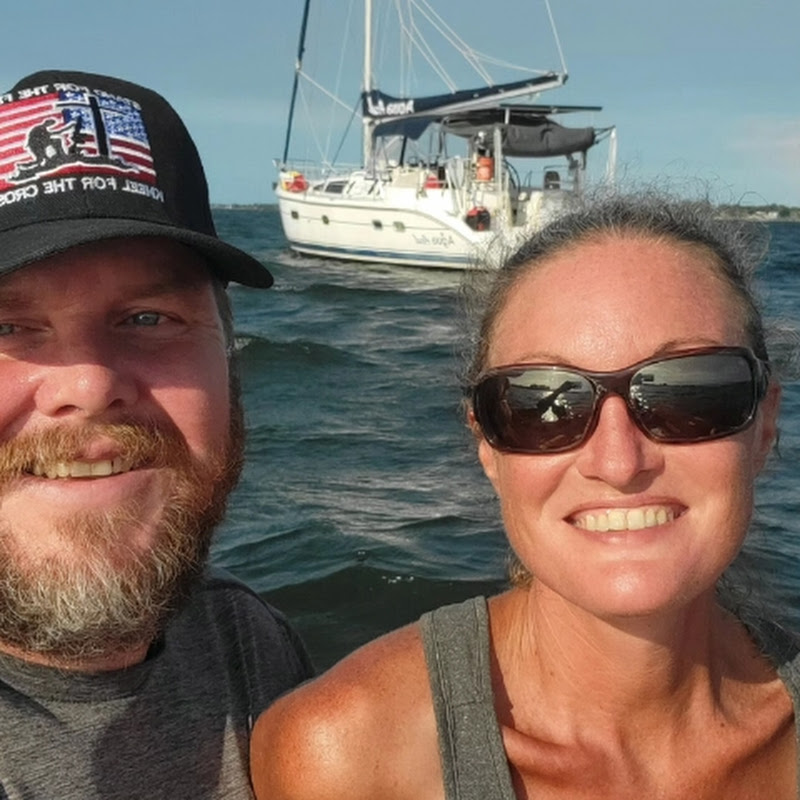
Redneck Honky Engineering: DIY Boat Fans for Hot Days on the Water Staying cool on a boat during a long trip can be tough, especially in warm weather. Imagine you're sailing toward Puerto Rico, but your boat's fans keep failing. That's the problem one boater faced, leading to a quick, no-frills fix using what was on hand. This "redneck honky engineering" approach shows how simple tweaks can keep you comfortable without fancy tools. In this post, we'll break down the setup, why it works, and tips to try your own version. The video starts with the boater testing fans mounted high on the boat. One spins wildly, then slows and dies. It's a common issue—standard fans can't handle the boat's motion or heat. Frustrated but creative, the boater rigs up a homemade solution. He attaches fans with wires and basic holders, calling it "honky customized" until reaching port. His wife chimes in, saying it looks "stupid" with dangling wires, but admits it's blowing cool air. No 3D printer or high-tech gear here—just practical ingenuity. What makes this redneck honky engineering so appealing? It's all about resourcefulness. "Redneck" often means using scrap materials for tough jobs, while "honky" adds a fun, folksy twist to the DIY spirit. On a boat, space is limited, and you can't always run to a store. This setup uses zip ties, tape, or wire to secure small fans aimed at key spots like the helm or sleeping area. The result? Steady airflow without breaking the bank. Let's dive into the steps to replicate it. First, pick your fans. Go for 12-volt USB models that run off boat batteries. They're cheap and easy to find online or at hardware stores. Mount them high to push air down, like in the video. Use sturdy brackets or even old coat hangers bent into shape. Secure wires with electrical tape to avoid snags—safety first on water. One fan might not cut it, as the boater notes. Imagine four of them: they'd create a breeze like a mini AC system. Position two for the cockpit and two for below deck. Test them in wind to ensure they don't spin out. If wires dangle, bundle them with clips. It's not pretty, but function beats form when you're sweating. Why does this matter for boaters? Heat exhaustion is real on the water. The CDC says high temps can cause dizziness or worse, especially if you're dehydrated. A reliable fan setup keeps you alert and safe. Plus, it's eco-friendly—running fans uses less power than a full AC unit, saving battery life for essentials like navigation. For those new to boating, redneck honky engineering builds confidence. You don't need engineering degrees; just problem-solving skills. Start small: fix a leaky hose with a soda bottle or reinforce a seat with duct tape. Over time, these hacks become second nature. The boater's wife might not love the look, but practicality wins. If you're heading to places like Puerto Rico, where humidity spikes, this could be your lifesaver. Expand on safety tips. Always check electrical connections to prevent shorts—water and electricity mix badly. Use marine-grade wire for durability. If upgrading later, consider solar-powered fans for off-grid trips. Brands like Caframo make rugged options, but the DIY route keeps costs under $5 per fan. Real-world examples abound. Boaters on forums like CruisersForum share similar stories: rigging shade sails from tarps or cooling bunks with ice packs. This video captures that spirit—quick, effective, and humorous. The boater's excitement shines through, turning a breakdown into a win. In conclusion, redneck honky engineering proves you can beat the heat with what you've got. Whether you're a weekend sailor or full-time cruiser, try this fan hack next time. It might look rough, but it'll keep you cool until the pros take over. Share your own DIY stories in the comments—what's your go-to boat fix?
0
0
0
436