Shorts
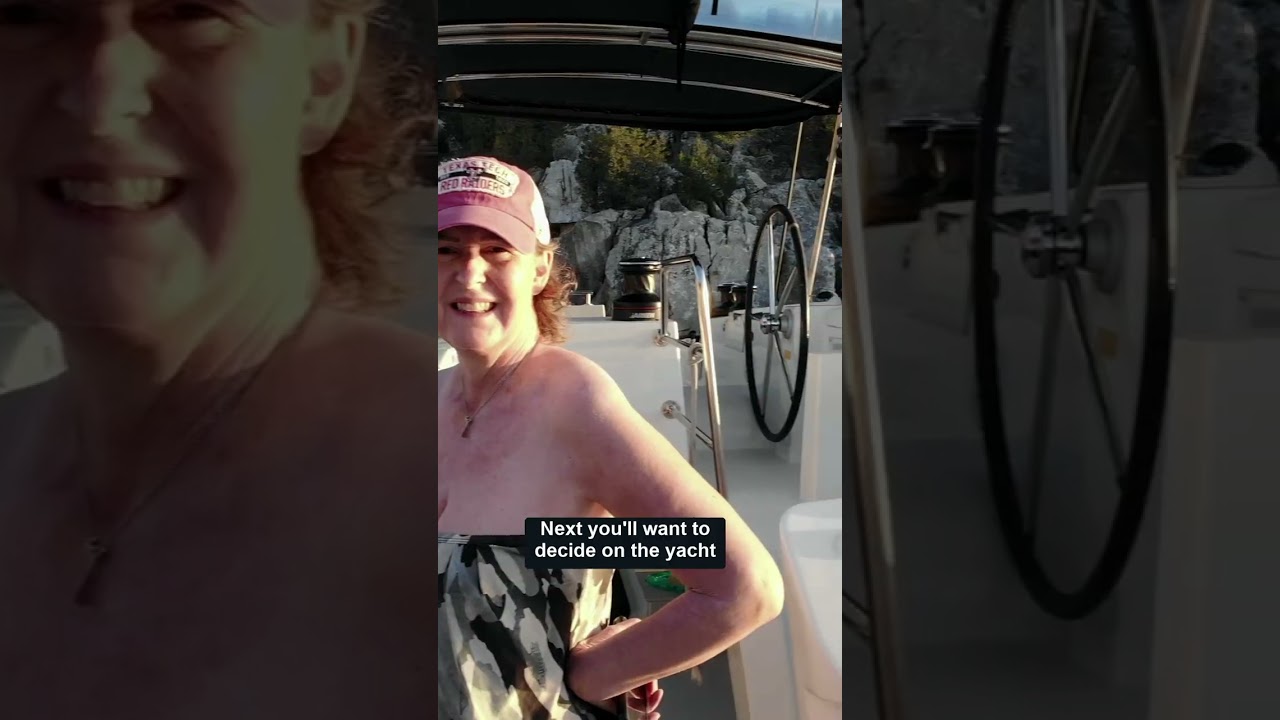
Which yacht charter style is right for you? This overview compares skippering yourself, hiring a skipper, choosing a crewed charter and joining by the cabin. Start with your experience, group size and preferred level of support.

Orange smoke is a daylight signal. See the smoke-signal designs in this demonstration and how they help make a position visible during a rescue.

Who invented “Mayday”? In 1923, Frederick Stanley Mockford, a senior radio officer at Croydon Airport in London, was asked to come up with a spoken distress signal that would be easy to understand over radio. At the time, much of Croydon’s air traffic traveled between London and Paris. Mockford drew inspiration from the French expression meaning “help me,” which led to the word “Mayday.” It worked because it was short, distinctive, and difficult to confuse over a weak or noisy radio transmission. More than a century later, “Mayday” is still the internationally recognized voice distress call used in aviation and at sea. #sailing #history #boating #sailor
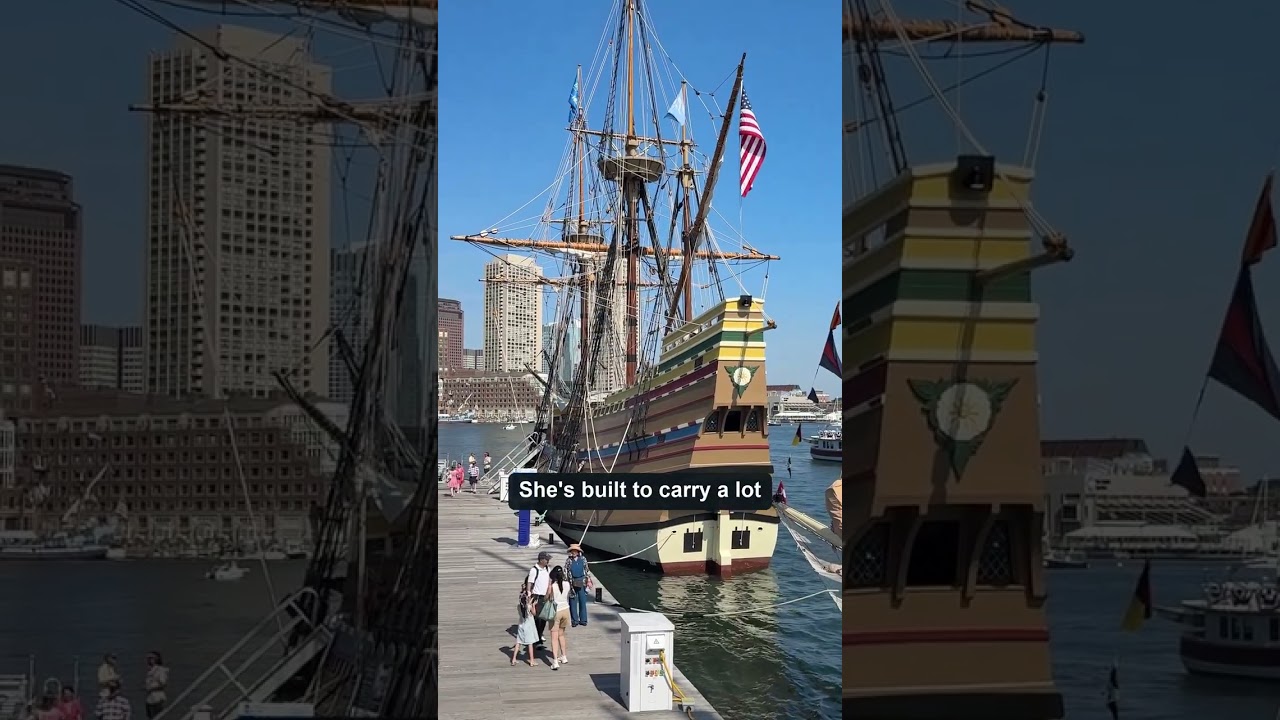
Five square sails and one triangular sail. Every part of the rig has a job. Mayflower II offers a close look at how a historic merchant ship was built to move cargo—and why that design brings challenges when sailing close to the wind. In this dockside conversation, we look at the trade-offs behind the rig, the ship’s size, and what it takes to handle her under sail. #sailing #ship #sea
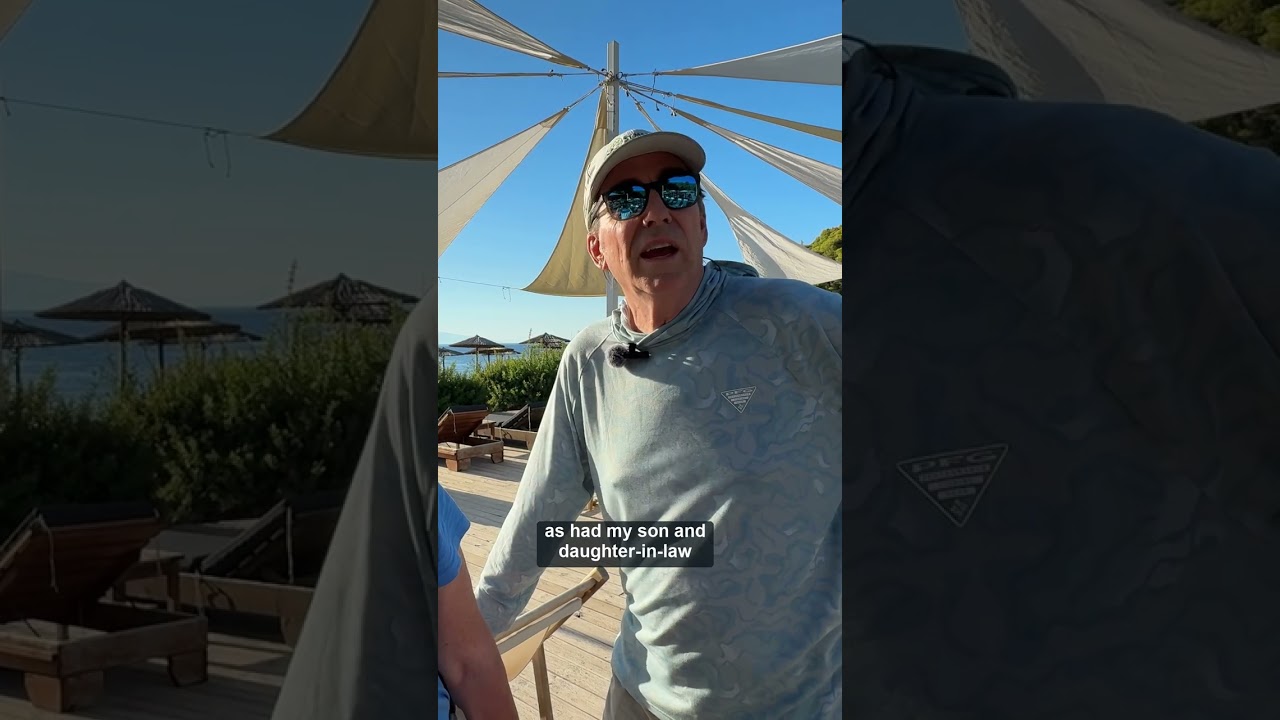
A busy schedule did not have to end the sailing plan. He studied at home, then joined his family for practical learning on the Chesapeake Bay. Here is how he made it work.

Should you rinse your sailing lines after a day on salt water? R&W Rope explains how salt gets between rope fibers and why rinsing and drying matter. Before stowing wet lines below deck, give them a chance to drain and dry.

Backing Out in a Crosswind When the wind is blowing across the dock and the boat is docked bow-to, reverse out of the slip and into the slip channel. As you build sternway, maintain enough speed for good steering control and anticipate the wind pushing the bow downwind. In lighter wind, you may have enough room to turn the boat in the slip channel and continue out ahead. In stronger wind, it’s usually safer to remain in reverse and back all the way into the main channel before turning. Always keep a careful lookout for traffic as you enter the main channel. #sailing #sailingschool #sailboat #sailor
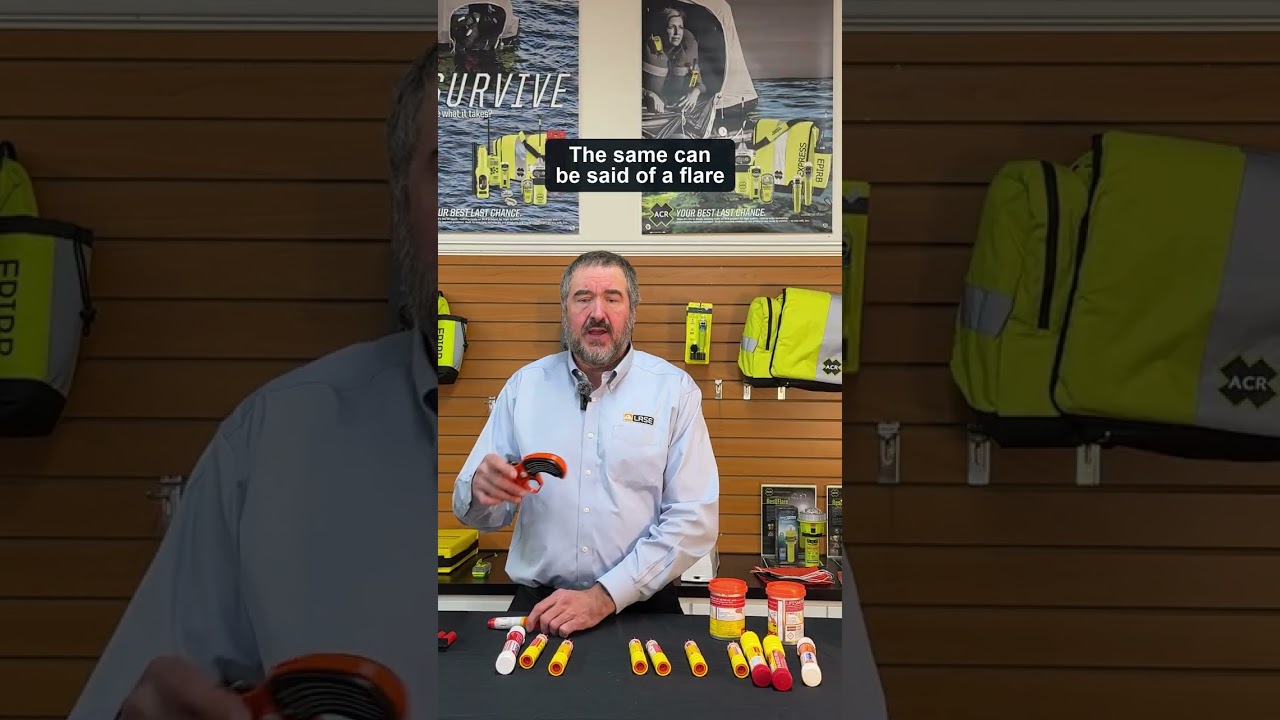
Aerial signals are not all alike. This comparison shows why height, brightness, and time in the air affect visibility, especially against a busy shoreline.

Before leaving a stern-to berth, check the passerelle. This demonstration shows how to raise it clear of the seawall, then lower it again when you return.

AIS on your phone can be useful for situational awareness, but an internet-based AIS app is not the same thing as having AIS onboard. Real AIS is transmitted directly between vessels over VHF. Depending on the app, the information on your phone may first be received by shore stations, sent over the internet, and then displayed to you. That means coverage can be incomplete and vessel positions may be delayed or unavailable. You are also dependent on your phone, data connection, and the service itself. Even onboard AIS should never be your only tool for collision avoidance. The Coast Guard specifically advises mariners to use all available means to determine collision risk. Use mobile AIS as additional information, not as a replacement for proper onboard navigation equipment, a lookout, radar, or good seamanship. #sailing #boating #boat #sailor #sailboat

Sharing a boat with strangers can feel like a gamble. For this couple, it became a chance to connect, swap experiences, and see things through other sailors’ eyes.

Why is the boom on a sailboat called a boom? It actually has nothing to do with the sound it makes when it swings across the boat. The nautical word comes from the Dutch word boom, meaning tree, pole, or beam. By the 1600s, the word had entered English nautical use for a long spar extending from a ship. Over time, it became the name for the horizontal spar used to control and support the lower part of a sail. Interestingly, the word boom meaning a deep, loud sound has a completely different origin. So the boom is called a boom because, originally, it was essentially a wooden beam. #sailing #sailboat #sailor
Even after plenty of sailing, his request to an instructor was simple: teach me what I don’t know. That kind of curiosity can change what you get from the experience.
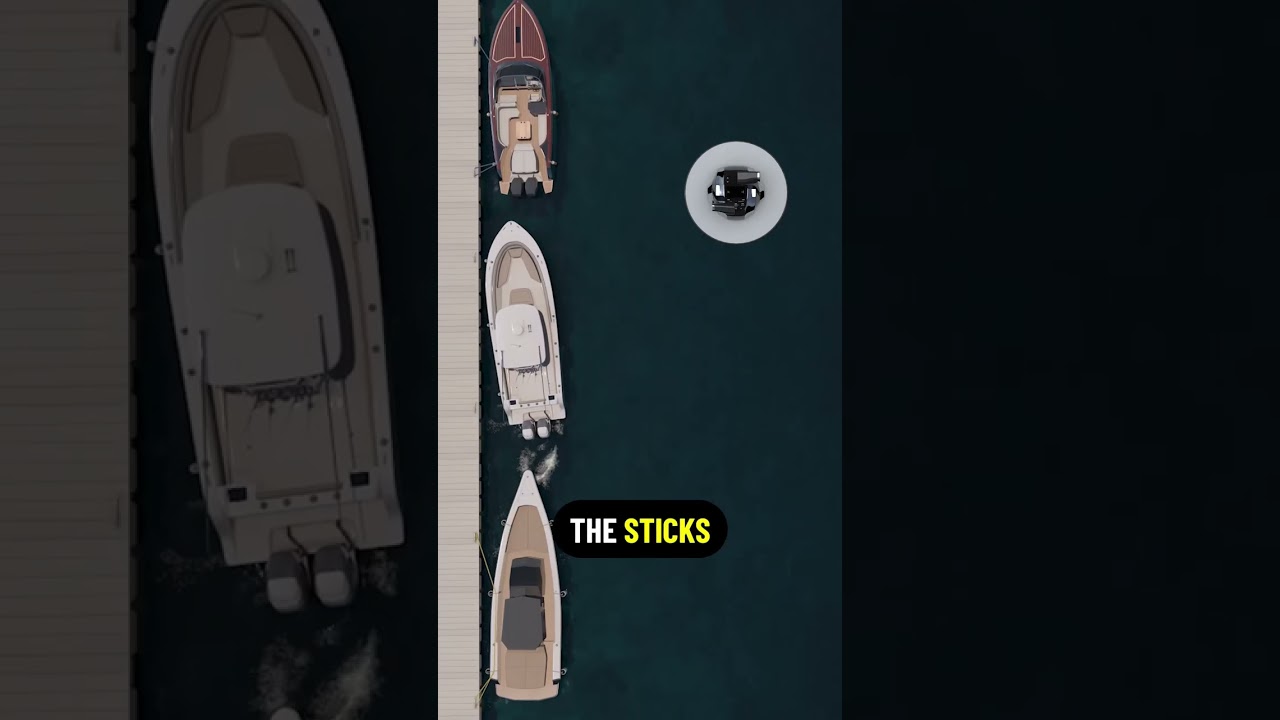
Getting off a T-Head on a twin outboard boat with no wind #boat #boating

What belongs in an onboard sail-repair kit? Start with adhesive-backed insignia cloth. This sailmaker explains how tape and larger patches can help with small repairs and chafed areas.

Should you use a yacht charter broker or book directly? Hear a charter agent explain comparing fleets, coordinating logistics and helping with problems. Use these points to decide what support you want during the booking process.

As the sails generate force, some of that force pushes the boat sideways. The keel creates hydrodynamic lift underwater that resists that sideways motion and helps the boat move forward instead of simply sliding downwind. On many sailboats, the keel also carries ballast low beneath the hull. That weight helps resist heeling and provides stability as the wind pushes against the sails. Different keel designs balance performance, stability, draft, and maneuverability in different ways. But at its core, the keel helps a sailboat resist sideways movement, stay stable, and sail efficiently through the water. #sailing #sailingschool #sailboat
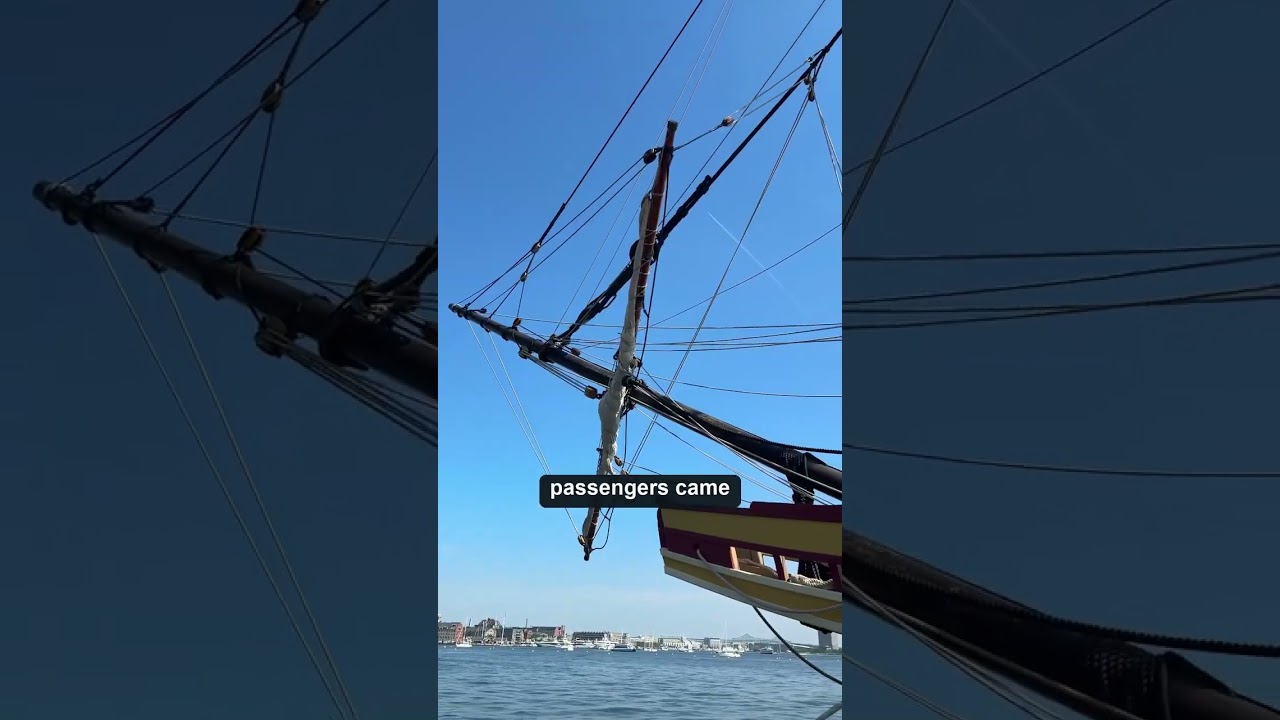
Imagine spending 66 days crossing the Atlantic in a ship designed to carry cargo. The Mayflower is remembered for its passengers, but its design tells another story: a working merchant vessel, built to transport goods rather than provide comfort. One description in this interview puts it neatly—a seagoing U-Haul. Standing beside Mayflower II makes that distinction feel a little more real. What would you find hardest about a voyage like that? #ship #sailing #history #sailboat

A rip current is a narrow, fast-moving flow of water that moves away from shore through the surf zone. It forms because breaking waves continuously push water toward the beach. That water has to return offshore, and when it becomes concentrated through a deeper channel or gap in the breaking waves, it can create a strong seaward current. Rip currents do not pull you underwater. They carry you away from shore. If you are caught in one, do not swim directly against the current toward the beach. Move parallel to shore until you are out of the flow, then head back in. If you cannot escape, float, conserve your energy, and signal for help. #sailing #sailingschool #sea #ocean #beach
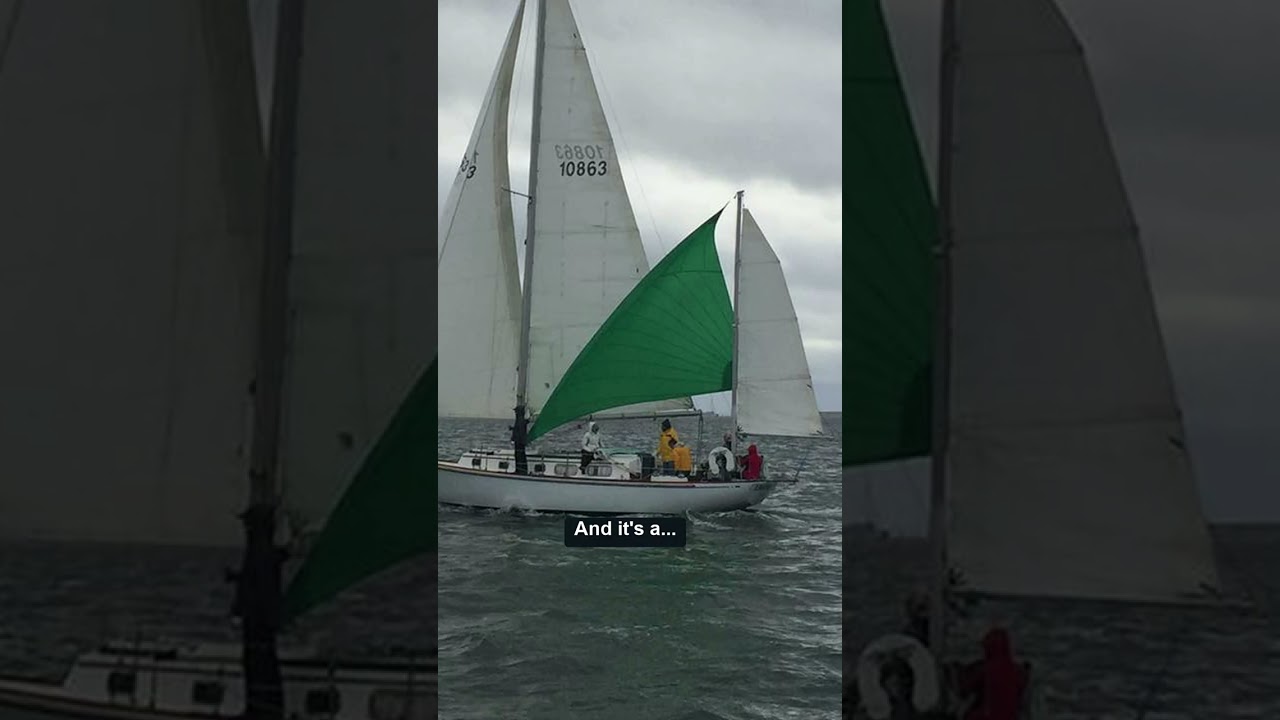
What is a mizzen staysail, and where does it go on a ketch or yawl? Harding Sails explains how this light-air sail is set and shares a customer’s report of extra speed on a 40-foot yawl. A closer look at getting more enjoyment from a two-masted sailboat.