Najnoviji video zapisi
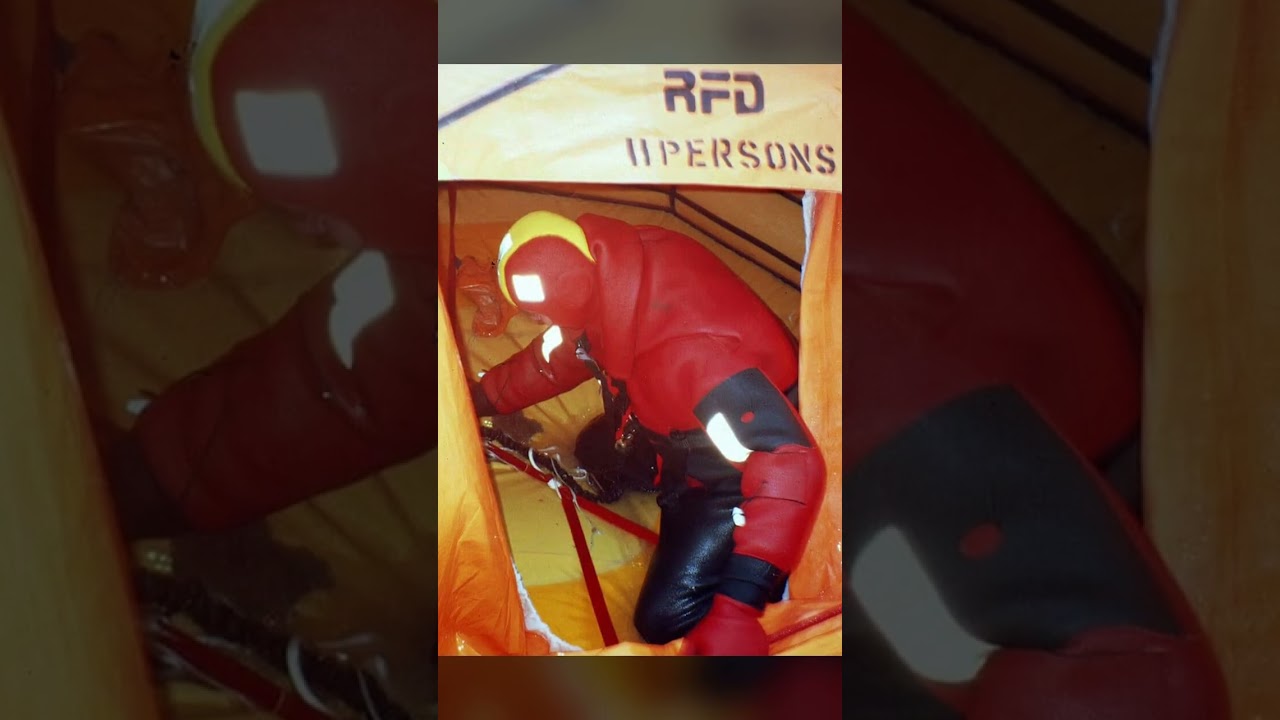
During the 1996 Vendée Globe, solo sailor Pete Goss turned back into a Southern Ocean storm to save a fellow competitor. French sailor Raphaël Dinelli’s yacht was sinking southwest of Australia. Goss battled upwind for two days, eventually reaching Dinelli in a liferaft and bringing him aboard Aqua Quorum. Both men survived. Their rescue became one of offshore sailing’s most extraordinary stories - and the beginning of a lasting friendship.

How many people can comfortably sleep on a charter yacht? Advertised berths can include converted seating and forepeaks. Look at the actual cabins and confirm sleeping arrangements for any hired skipper or crew before booking.
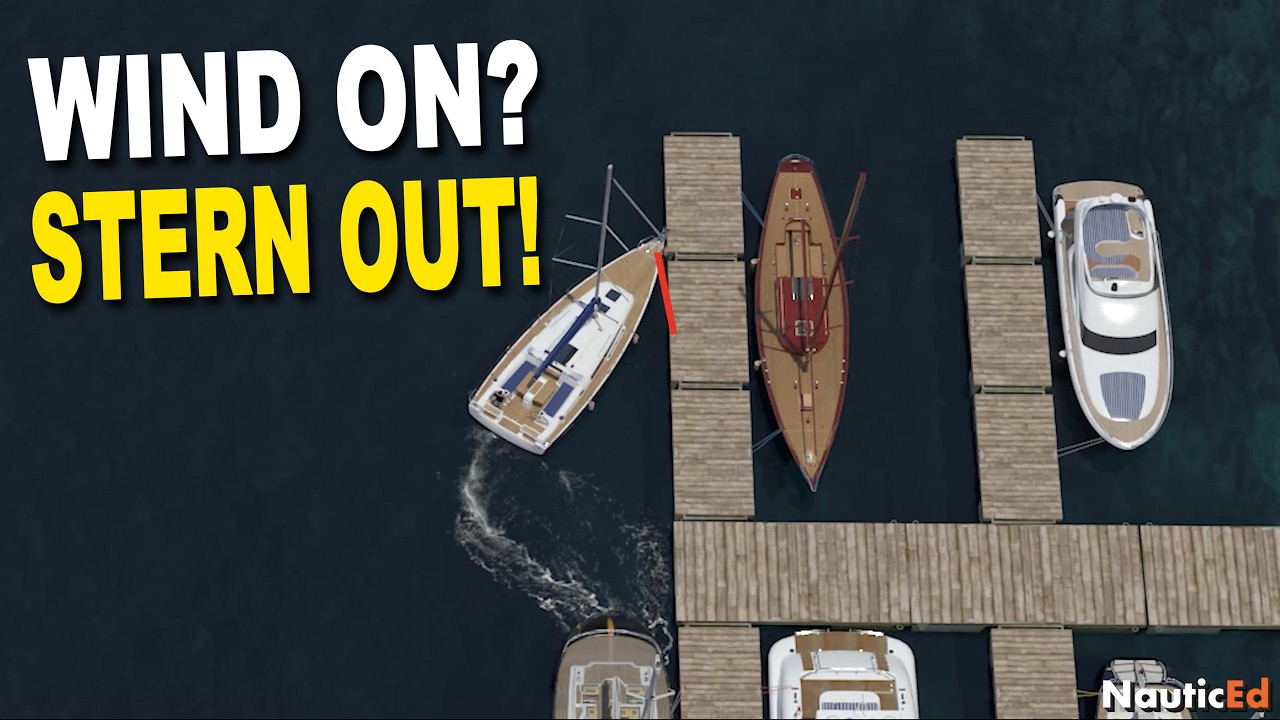
This is from out course Skipper Large Keelboat - https://www.nauticed.org/bundle/view/skipper?utm_source=youtube&utm_medium=organic_video&utm_campaign=spring Learn how to use a spring line to leave a T-head or fuel dock when the wind is pushing your sailboat onto it. This walkthrough covers fender placement, spring line setup, and controlled use of forward gear to swing the stern away before backing clear. Give yourself plenty of room, retrieve the spring line safely, and watch your stern’s swing as you turn to depart. Always adapt the maneuver to your boat’s handling, the conditions, and surrounding traffic. #sailing #sailboat #sailor #boat

Love sailing, but want help with the cooking and cleanup? Lauren explains how a hostess can give your group more time to relax and enjoy the trip. #bareboat #sailing

Planning your first yacht charter in the British Virgin Islands? Discover NauticEd’s Go Now instructional charter program, offered in collaboration with The Moorings and Sunsail, and build the practical skills and confidence to manage a charter vacation. Spend a week in the BVI with a qualified NauticEd Instructional Captain aboard, gaining hands-on experience with the challenges that go beyond everyday sailing. Learn about boat systems, water and energy management, dinghy handling, crew coordination, marina maneuvering, and responsible anchoring around coral and reefs. Develop your navigation and itinerary-planning skills, including how to adapt your route to changing weather and swell. Go Now focuses on learning to charter. Develop your foundational sailing skills at home, then put them into practice while exploring the British Virgin Islands with expert guidance. It’s preparation for future bareboat charter adventures when you’re qualified and ready to take charge. Explore the NauticEd Go Now BVI program and plan your instructional charter: https://www.nauticed.org/instructional-charter/british-virgin-islands #sailing #bareboat #catamaran

What should you keep in a sailboat rigging repair kit? R&W Rope talks through Dyneema-cutting scissors, tape, whipping twine, sail needles and a sailmaker’s palm. A practical look at matching your repair tools to the sailing lines you carry aboard.

Sun damage can weaken your sails even when they still look intact. Learn how UV exposure damages sailcloth, why weakened fabric can tear dramatically, and how sail covers help protect your sails when they’re not in use. In this NauticEd sailing lesson, we explain how the sacrificial UV cover along a furling genoa’s leech and foot protects the sail when rolled up. We also discuss when that cover may need replacing, how your sailing location affects its lifespan, and the differences between Sunbrella and WeatherMax UV covers. Understand what to watch for and why checking your genoa’s UV cover is an important part of sail maintenance. #sailing #sailor #sailboat

What is a sailing flotilla, and how does it work? Several boats follow a shared route with an experienced lead skipper. Learn how the support works and why anyone skippering their own boat still needs the right experience and qualifications.
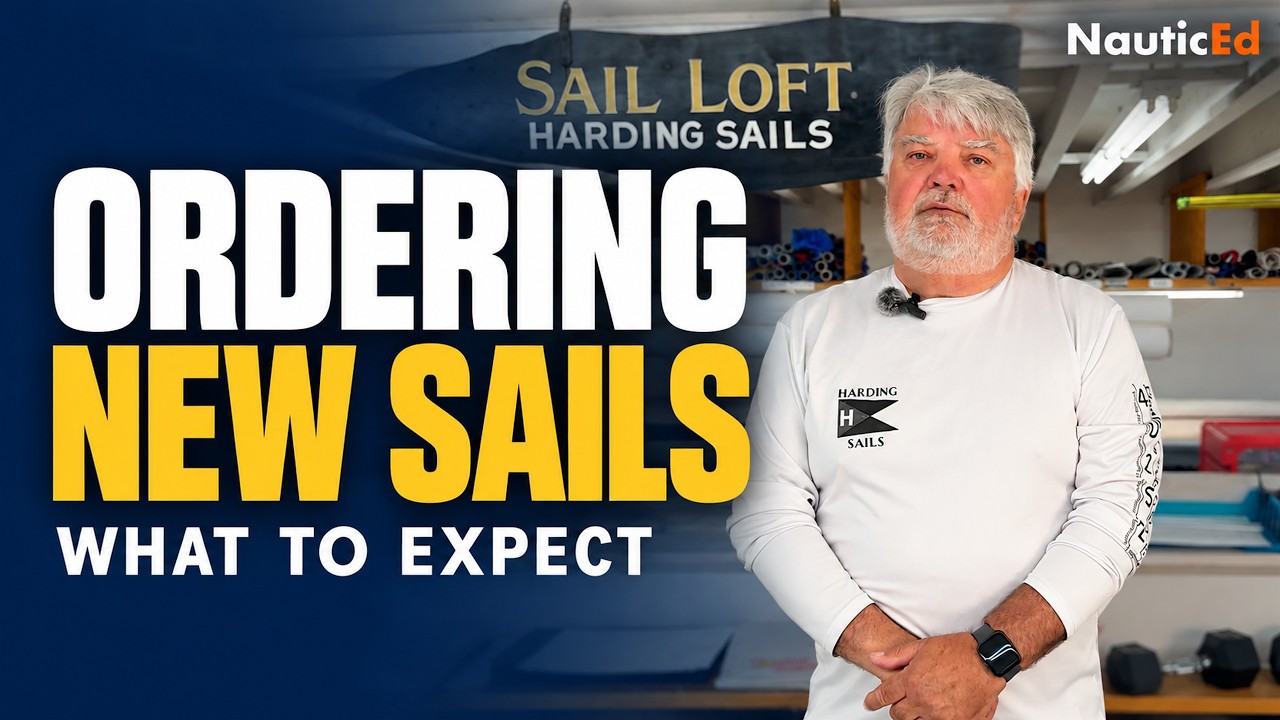
Ordering new sails starts with understanding your boat and how you sail. In this NauticEd video, Harding Sails explains the custom sail ordering process, from the first conversation and accurate measurements to fabric selection, a quote, and production. Learn when an existing sail can provide measurements, why measuring the boat is often preferred, and how sailmakers work with owners ordering from another part of the country. We also cover choosing sail features, the shop’s 50% deposit, and what can affect delivery times. Harding Sails discusses its typical four-to-eight-week turnaround, the process for ordering Elvstrøm sails from Denmark, and why you should leave extra time before your sailing season or planned trip. #sailing #sailboat
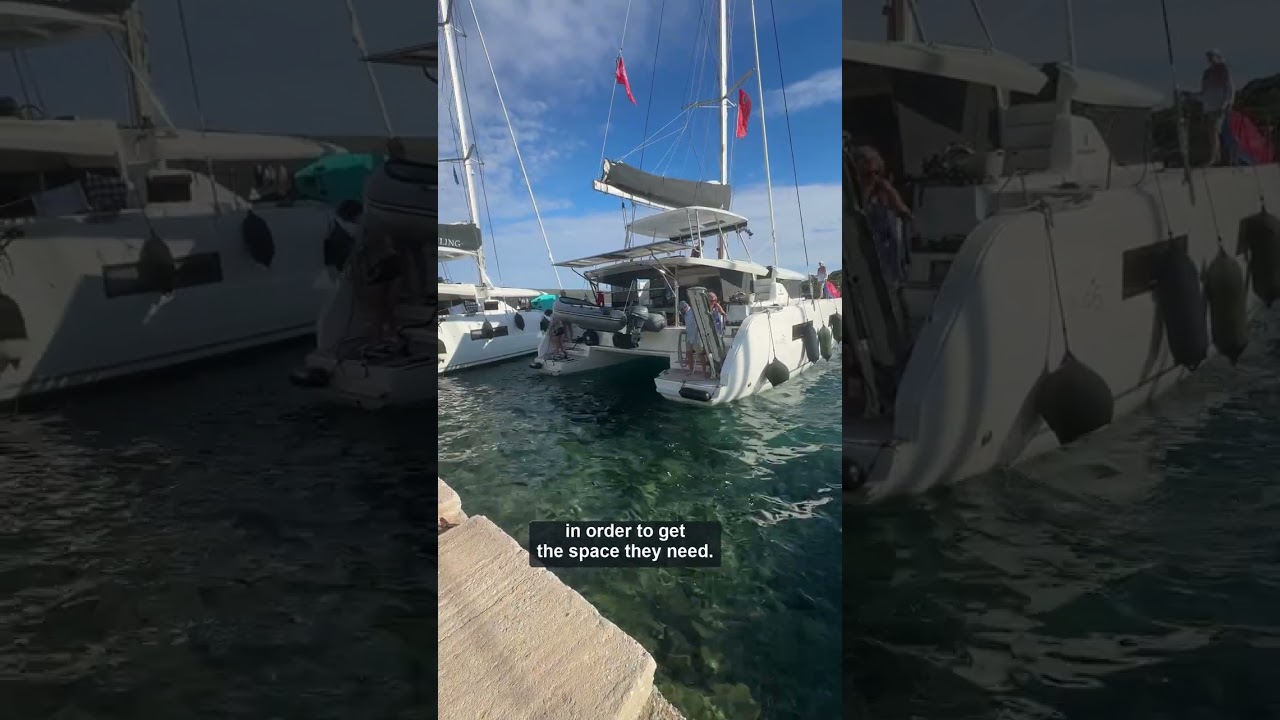
Ever wondered how boats dock stern-first in the Mediterranean? Watch this catamaran approach the quay, secure its stern lines and tension the anchor chain—with a running explanation of what's happening and why the distance from the rocks matters.
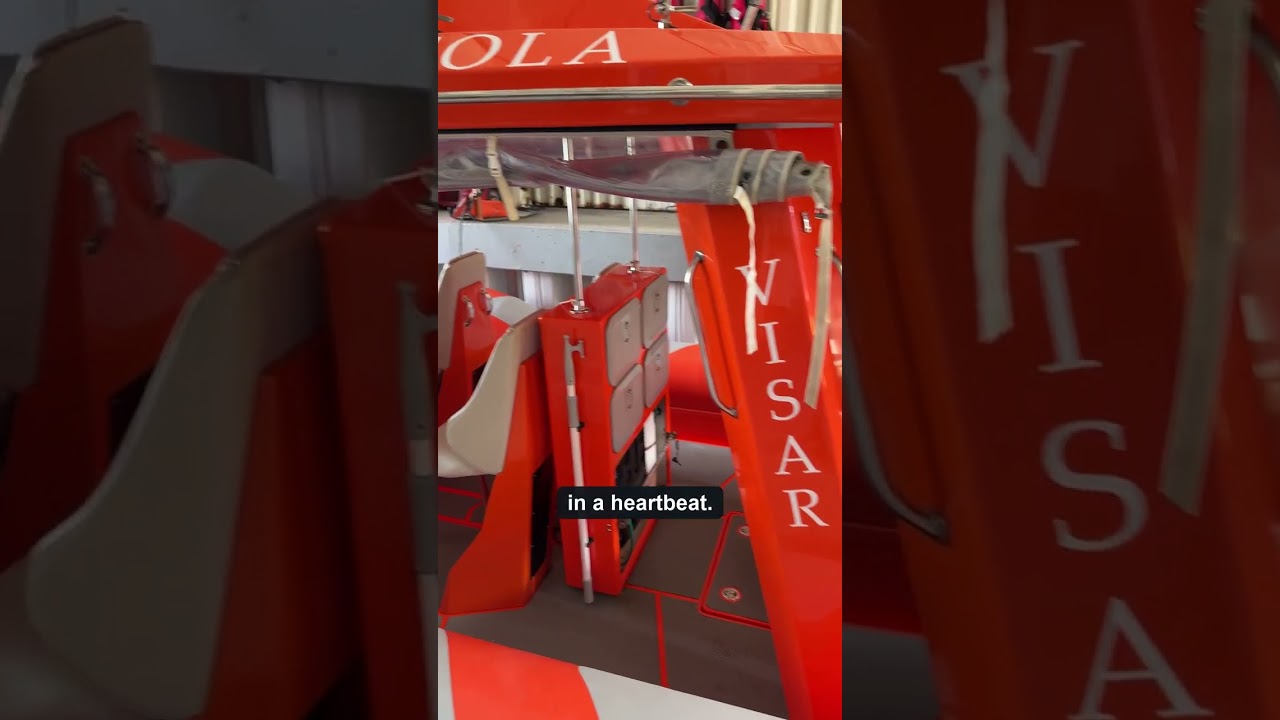
VISAR — Inside the rescue boat What goes into a purpose-built rescue boat? Take a look inside VISAR’s Spirit of Tortola: space for a four-person crew, a self-righting design, a medical platform, and a crane to help recover people from the water. Every detail serves a purpose—and community support helps make it possible. #bvi #bareboat #sailing #boating
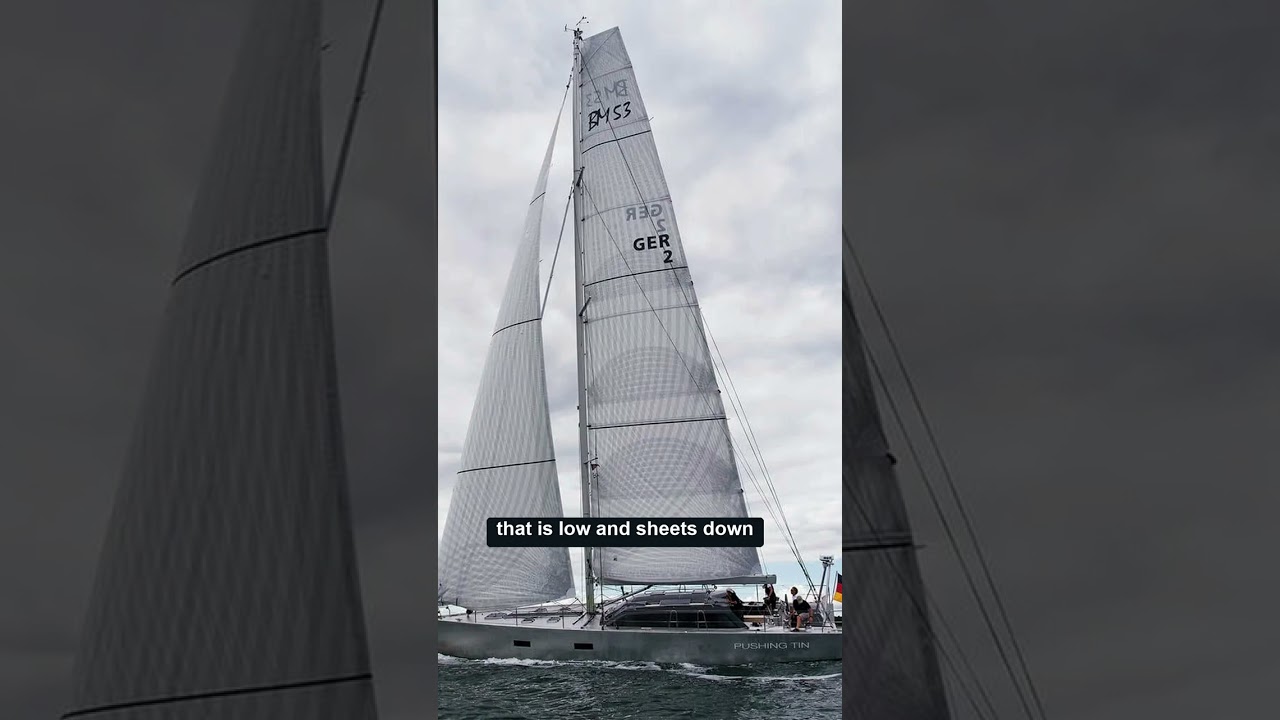
What is the difference between a sloop and a cutter rig? Harding Sails explains the extra staysail and why the shape of the outer headsail matters. Learn how a low-clewed genoa differs from a high-clewed Yankee when sailing with a staysail.
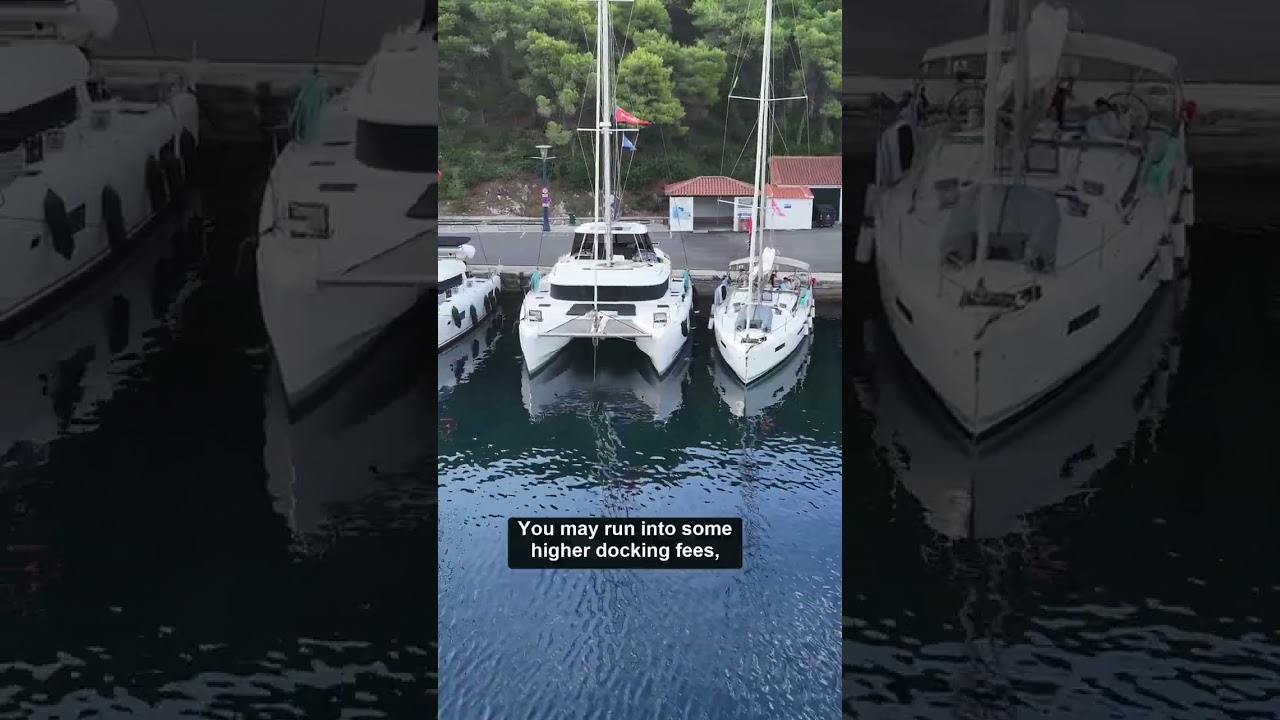
What size boat should you charter for your group? Boat length is only part of the decision. Consider cabin layout, usable deck space, bathrooms and the extra costs that can come with a larger yacht. Save this for your charter shortlist.
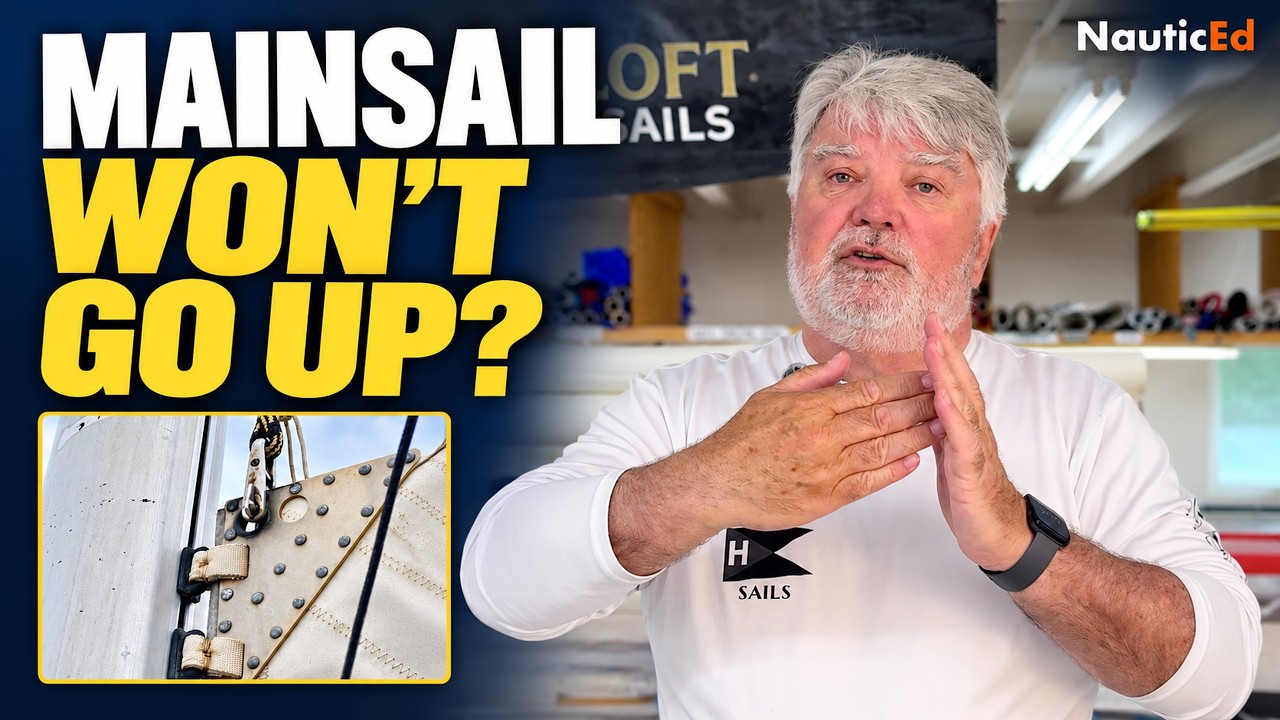
Is your mainsail hard to raise or lower, or difficult to manage once it’s down? Learn what causes friction in mainsail slides and how track systems, lazy jacks, and zip pack sail bags can make handling your sail easier. In this NauticEd sailing lesson, we explain how full-length battens create compression against the mast, discuss dry lubrication and sail track upgrades, and compare options for gathering and covering your mainsail. Learn how lazy jacks keep the lowered sail contained on the boom, how a zip pack or stack pack combines that function with a sail cover, and why protecting your sail from the sun still matters. #sailing #sailor #sailboat

A Mayday was heard. But no Coast Guard search began in response. In December 1997, the 34-foot sailboat Morning Dew struck Charleston Harbor’s north rock jetty. Aboard were Michael Cornett, his two sons, and his nephew. All four died. The NTSB investigation found failures in offshore preparation and decision-making—and that the Coast Guard’s delayed response contributed to the loss of life. This sailing disaster carries lessons every boater should remember: prepare for changing weather, verify your position, and reassess your route before the risks grow.

Joshua Slocum: The First Person to Sail Alone Around the World In 1895, Joshua Slocum left Boston aboard Spray—a 37-foot wooden sailboat he had spent 13 months rebuilding. More than three years later, he returned as the first person to sail solo around the world. His voyage brought storms, dangerous passages, extraordinary encounters—and a goat that ate his chart. He told the story in Sailing Alone Around the World, a sailing classic still read today. Years later, Slocum sailed away again. Neither he nor Spray was ever found. Discover the remarkable story behind one of sailing’s greatest voyages.
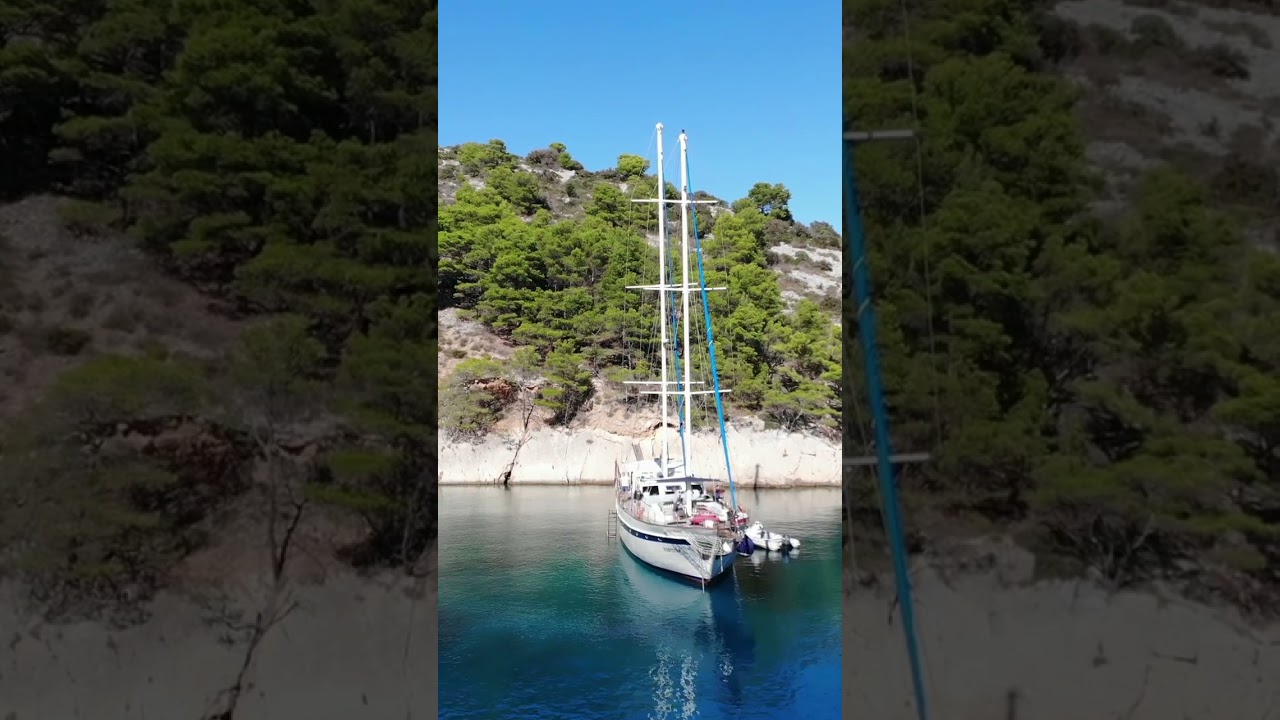
There’s a difference between reading about a destination and sailing there. Lauren shares how firsthand experience helps turn a charter itinerary into a more personal vacation—from sheltered bays to memorable stops ashore. #sailing #sailor #boating

What is a Code Zero sail, and when should you use one? Sitting between a genoa and an asymmetric spinnaker, a Code Zero can improve reaching performance, but it isn’t the right sail for every boat or every cruising crew. In this NauticEd sailing lesson, learn how a Code Zero differs from a genoa and an asymmetric spinnaker, how its independent furling system works, and why cruising and racing designs serve different needs. We also discuss what to consider before buying one, including your sailing goals, crew size, and how you plan to handle the sail. If you’re comparing a Code Zero vs. an asymmetric spinnaker for short-handed cruising, this video will help you understand the trade-offs. #sailing #sailboat #sailor

What’s the difference between a jib and a genoa? Learn how these sailboat headsails differ in size and overlap, and what sail sizes like 110%, 130%, and 150% actually mean. This NauticEd sailing lesson explains the foretriangle, the J dimension, and luff perpendicular (LP), the measurements used to describe headsail size. For example, a genoa with an LP of 15 feet on a boat with a J dimension of 10 feet is a 150% Genoa. Understand the terminology so you know exactly what you’re looking at when comparing jibs and genoas. #sailing #sailboat #sailor

Before this departure, the skipper talks the crew through the wind, anchor chain, stern lines, and fenders. It’s a practical look at planning a maneuver before the boat moves.