جدیدترین ویدیوها

nauticed
34 بازدیدها · پیش 20 ساعت ها

Bareboat Charter Master for Sail - https://www.nauticed.org/bundle/view/bareboatcharter?utm_source=youtube&utm_medium=video&utm_campaign=T6INEMugDWM Bareboat Charter Master for Power - https://www.nauticed.org/bundle/view/bareboat-charter-for-powerboats?utm_source=youtube&utm_medium=video&utm_campaign=T6INEMugDWM If you’re working toward your NauticEd SLC license, this video breaks down the exact steps—the required theory courses, the on-the-water skills assessment, and the logbook experience needed to qualify (plus how renewal works). You’ll learn: Which Bareboat Charter Master Bundle to take (Sailing vs Power) What happens during the SLC on-water assessment (and how long it usually takes) How the 50-day experience requirement is logged (including “master of the vessel”) How SLC renewal works (online test + recent logged time) How to download the assessment list + send a self-assessment to your instructor ahead of time Students: Sign up and get started at NauticEd. Instructors: If you want to run assessments and work with students, join NauticEd as an instructor. #sailing #boating #bareboatcharter #bareboat #catamaran Chapters 00:00 - Step 1: Theory courses (Bareboat Charter Master Bundle) 00:20 - Step 2: On-the-water skills assessment 00:35 - Step 3: Logbook requirement (50 days explained) 01:24 - SLC renewal: free 100-question online test + recent days 01:50 - Assessment (how instructors grade) 03:11 - Download the assessment list (no surprises) 03:28 - Send your self-assessment to your instructor

nauticed
16 بازدیدها · پیش 4 روزها

👉 Learn more about becoming an instructor with NauticEd: https://www.nauticed.org/instructor/signup Want to know how sailing instructors actually make money—beyond just teaching lessons? In this video we break down the 6 real income streams instructors use, including paid instruction, charters, vacation referral commissions, and course commissions, plus how running an instruction business can create legitimate expense/tax advantages and better work–life balance. You’ll learn: The core income stream: instruction How instructors add revenue with paid charters (events, sunset sails, groups) How vacation referrals can generate passive commissions and build your on-water experience How course commissions work when students enroll Why lifestyle + control of your schedule is a major upside 00:00 - Income stream #1: Paid instruction 00:10 - Income stream #2: Paid charters (events & experiences) 00:31 - Income stream #3: Vacation referral commissions 01:10 - Income stream #4: Course commissions 01:20 - Business perks: expenses & tax advantages (high-level) 01:48 - Lifestyle benefit: control your schedule + travel #sailing #boating #sailingschool

nauticed
15 بازدیدها · پیش 6 روزها

Looking to master offshore knowledge check out the complete guide - https://www.nauticed.org/bundle/view/captain?utm_source=youtube&utm_medium=video&utm_campaign=I0a0gTt-ADY LRSE (Life Raft Survival Equipment) - https://www.lrse.com There are a lot of marine flares out there—handheld, parachute (rocket), aerial/gun-type, and smoke—and each one has a specific job. In this video you’ll learn which flare to use for which scenario, the key differences between SOLAS vs USCG-approved handheld flares, how to check expiration dates before you buy, and the basic safety rules for using pyrotechnic distress signals. We also cover practical recommendations for what to carry for coastal cruising vs offshore, plus when smoke signals make the biggest difference (especially when aircraft are in the area). Topics covered: marine flares, SOLAS flares, USCG-approved flares, handheld flare safety (slag), parachute flare visibility, smoke flare daytime use, flare kit recommendations for boating. 00:00 - Types of marine flares (quick overview) 00:10 - Handheld flares: SOLAS vs USCG-approved (what’s different) 00:42 - Handheld flare safety (slag, how to hold it) 01:03 - Parachute flares: best for long-range visibility 01:19 - Aerial flares from liferafts (limitations) 01:32 - Gun-type flares (limitations vs parachute) 01:42 - SOLAS parachute flares (visibility + why they stand out) 02:00 - Projectile flare misfires: what NOT to do 02:10 - Smoke flares: SOLAS vs USCG smoke (how they differ) 02:45 - What flares to carry (coastal recommendation) 02:59 - Offshore recommendation (doubling your kit) #flares #sailing #boating

nauticed
22 بازدیدها · پیش 8 روزها

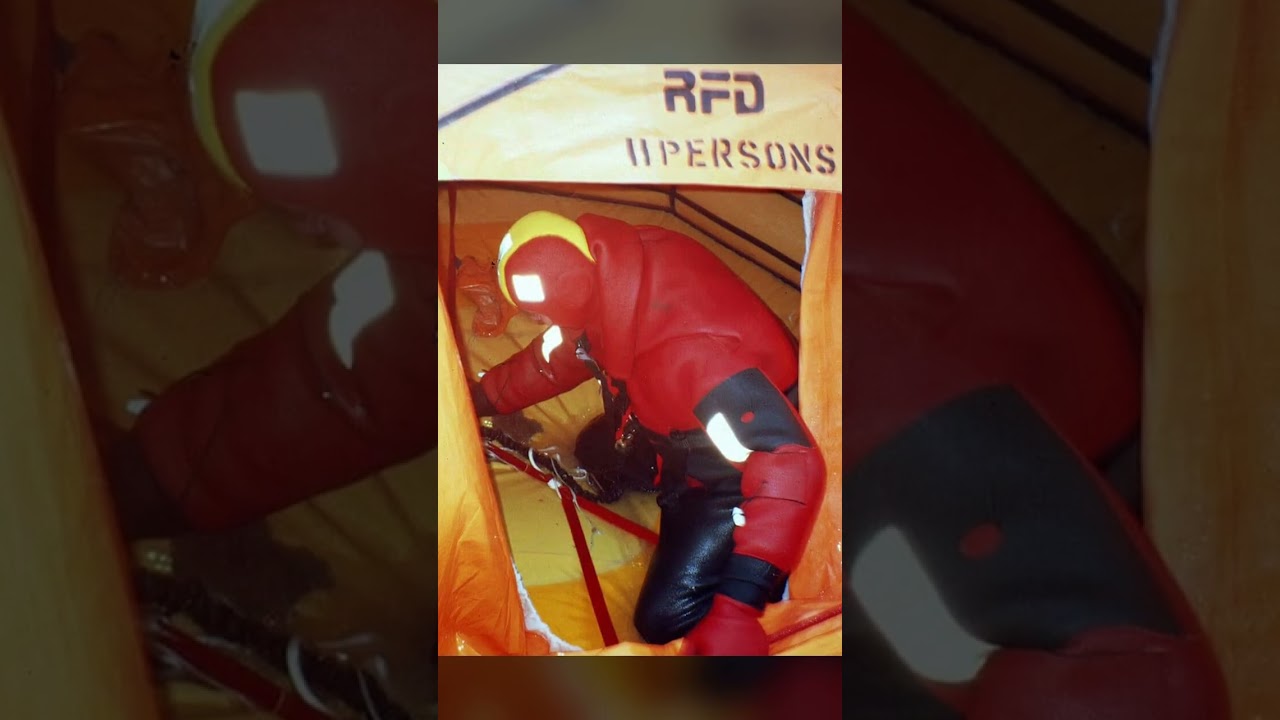
Looking to master offshore knowledge check out the complete guide - https://www.nauticed.org/bundle/view/captain?utm_source=youtube&utm_medium=video&utm_campaign=RC0HbQuR9_c LRSE (Life Raft Survival Equipment) - https://www.lrse.com A ditch bag is one of the best complements to your abandon ship / life raft equipment—it’s where you keep the extra gear you’ll want immediately if you ever have to leave the boat. In this video we walk through a practical ditch bag checklist, including common essentials like flares, signaling devices, emergency blankets, EPIRB, VHF radio, and a medical kit—plus the “forgotten” items most people miss (medications, eyeglasses, passports/copies of licenses, seasick bags, batteries, food rations, and water). We also cover the difference between a coastal vs offshore ditch bag, why organization matters (ziplocks / compartments), and a big one: don’t exceed your ditch bag’s flotation capacity—packing too much can keep it from floating when you need it most. 00:00 - What a ditch bag is (and why it matters) 00:15 - Core ditch bag essentials (signaling + survival) 00:40 - The “forgotten” items: meds, glasses, documents, seasick bags 01:07 - Coastal vs offshore ditch bags (what changes) 01:30 - DIY ditch bag vs pre-built options (coastal/offshore) #sailing #boating #sailingschool

nauticed
18 بازدیدها · پیش 10 روزها

Free Nav Rules Course - https://www.nauticed.org/powerboating-courses/view/navigation-rules-for-powerboats?utm_source=youtube&utm_medium=video&utm_campaign=zows0zMxJ6o https://neprop.com Thinking about repowering? Do the prop math first—before you buy an engine or transmission. Gear ratio and engine RPM set shaft RPM, which determines the propeller diameter your boat needs. If your hull only fits a 13" prop but your new setup requires 16–17", you’re stuck—and you can’t compensate with pitch. This video explains how to choose engine + transmission combos that match your prop diameter limits so you don’t end up pulling the gearbox back out. What you’ll learn - Gear ratio → shaft RPM → prop diameter (why slower shaft RPM demands a larger prop) - Why you can’t fix a diameter problem with pitch - Common failure cases (e.g., switching from 1:1 to deeper reduction and exceeding prop clearance) - Real-world example: replacing 2.88:1 with 2.5:1 and the maneuverability hit - How to plan a repower so engine, transmission, and prop all work together - Repower Checklist (use before you buy anything) - Measure prop clearance & max diameter your hull can accept - Get target WOT RPM from the engine manufacturer - Decide on gear ratio to hit a workable shaft RPM for your max diameter - Confirm prop options (diameter, pitch, blade count, cup) with a prop shop - Validate dockside handling needs (thrust at idle, gear engagement feel) -Lock the engine + transmission only after the prop is sized on paper - After install: sea trial to confirm WOT RPM, speed, and maneuverability 00:00 - Repowering a Boat: Plan Everything First 00:30 - Engine + Transmission Choice Impacts Propeller Size 00:58 - Gear Ratio / Gear Reduction Explained (1:1 vs Reduction) 01:51 - Common Repower Mistake: Installing Wrong Gear Ratio 02:49 - Repower Checklist: Talk to a Propeller Shop Before You Buy Pro tip: Talk to a propeller shop early. They’ll ask the right questions and size the prop to your hull limits, engine RPM, and gear ratio—saving you from costly do-overs. #sailing #powerboating #powerboat

nauticed
226 بازدیدها · پیش 10 روزها

You should always have an accurate setting on your depth meter to know your real depth below your keel. Here’s how to determine how to do it.

nauticed
20 بازدیدها · پیش 13 روزها

Skipper Large Powerboat Course - https://www.nauticed.org/powerboating-courses/view/skipper-large-powerboat?utm_source=youtube&utm_medium=video&utm_campaign=jeBCCli7Q8I New England Propeller - https://neprop.com Do NOT use bottom paint on your propeller. Most bottom paints contain metals that react with prop metals and accelerate corrosion/electrolysis. In this practical guide, we explain what to use (and what to avoid), how marina electrical currents vs mooring/trailering affect corrosion risk, and why your zincs must stay bare (no coating on the zincs or on the shaft where they clamp). What you’ll learn - Why bottom paint is wrong for props: metal-on-metal reactions → corrosion - Coatings vs nothing: when growth pressure is high, prop-specific coatings (e.g., PropSpeed and similar) can help—results vary by harbor and maintenance - Electrolysis basics: marina currents increase risk; mooring/trailering reduce exposure - Zincs matter: never coat anodes or the metal-to-metal contact area on the shaft - Cost reality: coatings can be pricey; some boaters re-coat and still haul quickly if growth returns 00:00 - Don’t Use Bottom Paint 00:12 - Why Props Corrode 00:43 - Don’t Coat Your Zincs 00:55 - Should You Coat a Prop? 01:21 - Prop Speed vs Bottom Paint 01:41 - Costly Re-Coating Problem #powerboat #propeller #boating

nauticed
15 بازدیدها · پیش 17 روزها

What’s the “core” of a sailboat line—and why does it matter? In this video we break down core vs cover, how modern double-braid sailboat ropes are built, and how different core materials change stretch, strength, handling, and price. You’ll learn: - Why older 3-strand rope didn’t need a core (and why modern lines do) - What the core does vs what the cover does on sheets/halyards - The differences between Dyneema core, Vectran core, blended cores, and all-polyester double braid - A common racing upgrade: stripping the cover on sheets (and sometimes halyards) to reduce weight and improve light-air performance - Examples discussed include: high-tech race lines, mid-budget club racing lines, and everyday cruising double braid. Advanced Sail Trim: https://www.nauticed.org/sailing-courses/view/sail-trim?utm_source=youtube&utm_medium=video&utm_campaign=91NvCYpR0yg Free Sail Trim Course: https://www.nauticed.org/sailing-courses/view/basic-sail-trim?utm_source=youtube&utm_medium=video&utm_campaign=91NvCYpR0yg R&W Rope: https://www.rwrope.com 00:00 - What a rope “core” is (and why it exists) 00:41 - Modern rope design: matching line to boat + performance needs 01:03 - High-tech example: Dyneema core (Endura Braid) + why the cover matters 01:40 - Another upgrade: Vectran core (New England Ropes VPC) 01:52 - Mid-tier performance: mixed-fiber cores (Marlo D2 Club) 02:23 - Everyday cruising choice: polyester double braid (Sta-Set / XLE) + cost vs performance 02:52 - Racing trick: strip the cover to reduce weight (how it’s done) 04:22 - Free Basic Sail Trim Course (CTA) #sailing #sailinggear #boating

nauticed
28 بازدیدها · پیش 18 روزها

Confused about mooring pennants? In this guide we break down how to choose the right mooring pennant for your boat size and your harbor conditions—whether you’re in an exposed mooring field with chop or a river mooring with strong current. You’ll learn the three common mooring pennant setups (single, double, and Y pennant), how to size the eye to your deck cleats, where chafe gear should go, and when to add floats so the pickup stays on the surface. We also cover hardware options (thimbles, galvanized vs stainless) and durability upgrades like UV/marine growth protective dips. R&W Ropes - https://www.rwrope.com Anchoring Course: https://www.nauticed.org/sailing-courses/view/anchoring-a-sailboat?utm_source=youtube&utm_medium=video&utm_campaign=OBRHy5Xyoq8 00:00 - Harbor Rules: Pennant Length Limits 00:15 - Consideration for Mooring Lines 00:49 - Types of Mooring Pennants 01:53 - Mooring Pennant Size Chart 02:14 - Bowsprit & Head Rig: Prevent Line Rubbing 02:50 - Materials + Add-Ons: Nylon, Floats, UV Dip #docking #sailingboat #anchoring #boating

nauticed
16 بازدیدها · پیش 19 روزها

Planning a yacht charter or bareboat charter? Here’s the exact paperwork checklist you’ll need before you arrive at the base—so you don’t lose time (or risk delays) on embarkation day. In this video you’ll learn: payments + contract basics, crew list/passport details, Mediterranean licensing (and when a VHF license may be needed), Caribbean resume expectations, optional extras (SUP, Wi-Fi, transfers), and why arriving early makes everything smoother. NauticEd Yacht Charters / Vacations: https://www.nauticed.org/yacht-charters NauticEd SLC (Med license option): https://www.nauticed.org/SLC 00:00 - Payments: deposit + final balance 00:12 - Contract: terms, cancellations, embark/disembark 00:29 - Crew list: passport numbers + crew contact info 00:48 - Mediterranean: license requirements (SLC) + VHF 00:59 - Caribbean: why a boating resume matters 01:30 - Optional extras: SUP, Wi-Fi, airport transfers 01:48 - Arrival time: show up early (2–3 hours) 02:09 - Passport/visa checks + how agents smooth the process #bareboat #bareboatcharter #sailing #catamaran

nauticed
9 بازدیدها · پیش 21 روزها

Thinking about a yacht charter with kids? Here’s how to make it safe, easy, and genuinely fun—especially for families with younger children. We explain why a catamaran is usually the best “floating condo” setup for families, what safety add-ons actually help, what gear to bring from home so kids will use it, and how to choose a kid-friendly destination (like the BVI) that keeps stress low and smiles high. In this video you’ll learn: - Why catamarans are the best family platform (space + stability) - Safety netting, life jackets, and the “comfort = use” rule - How to reduce seasickness risk - A realistic “typical day” family itinerary - Caribbean vs Mediterranean expectations (beach time vs marinas) - How to keep kids engaged onboard (make it a game) Plan your family charter with NauticEd Yacht Charters: https://www.nauticed.org/yacht-charters 00:00 - Chartering With Kids: Why It’s an Amazing Vacation 00:15 - Best Boat for Families: Why a Catamaran Wins 00:57 - Kids Gear to Bring From Home (Comfort = Use) 01:30 - Picking a Kid-Friendly Destination 02:00 - A Typical Day: Short Sails, Beach Time, Easy Evenings 02:24 - Getting Kids Involved: Jobs, Games, and “Badges” 03:21 - Wrap-Up + Next Steps for Planning Your Family Charter #bareboat #bareboatcharter #sailingcharter #catamaran

nauticed
11 بازدیدها · پیش 22 روزها

Does your yacht charter have to be Saturday to Saturday? It depends on the destination. In this video we break down the real-world charter schedule differences between the Caribbean (often flexible start days + flexible durations) and the Mediterranean (commonly 7-day increments, often Saturday turnovers, with some midweek options in places like Croatia and Greece). You’ll learn: - When Sat–Sat is required (and when it isn’t) - Typical embark/disembark times and why they matter - How a sleep aboard can make day one smoother - Why early boarding / early check-in can feel like “adding a day” - The Mediterranean’s common Friday return-to-base requirement - Need help planning a charter the right way? Connect with a NauticEd charter agent at nauticed.org. 00:00 - Do charters have to be Saturday–Saturday? 00:10 - Caribbean: flexible start days + flexible trip lengths 00:46 - Embark/disembark times Caribbean 01:24 - Mediterranean: why Sat–Sat is common + 7-day increments 02:03 - Embark/disembark times MED 03:28 - Wrap-up: pick destination, confirm schedule, plan logistics + CTA #sailingcharter #bareboat #bareboatcharter

nauticed
42 بازدیدها · پیش 23 روزها

Plan your next bareboat or crewed trip with NauticEd Yacht Charters — explore destinations, boats, and get matched with the right charter for your experience level here: https://www.nauticed.org/yacht-charters Provisioning for a yacht charter sounds intimidating—but it’s really just grocery shopping and planning meals for life onboard. In this video, you’ll learn how modern yacht charter provisioning works (including online delivery to the boat), when to shop local markets, and how to plan differently for the Caribbean vs the Mediterranean. We’ll also cover options that eliminate the hassle entirely—like hiring a hostess on a bareboat charter—and how provisioning works on a crewed yacht using an APA (Advance Provisioning Allowance), the prepaid “expense fund” used for food, drinks, fuel, and more. 00:00 - Provisioning for Yacht Charters (What It Means) 00:10 - Online Provisioning: Order & Deliver to the Boat 00:45 - Local Markets & Specialty Stores 01:12 - Meal Planning based on Destination 02:19 - No-Planning Option: Hire a Hostess (Bareboat) 02:42 - Crewed Charters: How APA Covers Provisioning + Expenses 03:03 - Quick Wrap-Up #yachtcharter #bareboatcharter #provisioning #sailing #mediterranean

nauticed
23 بازدیدها · پیش 24 روزها

Want to become a NauticEd instructor? Apply here - https://www.nauticed.org/instructor/signup In this video, we break down the step-by-step process to join NauticEd’s instructor team—whether you teach sailing or powerboating. - Steps to Become a NauticEd Instructor 1) Online Form – Apply online so we can learn about your background and why you want to instruct. 2) Take Courses – Complete NauticEd’s courses so you understand our teaching system and tools. 3) American National Standards – Learn the standards we teach and how to implement them on the water. 4) Call with Our CEO – A personal call to align on our competence culture, expectations, and next steps. ✅ Instructor requirements: You’ll need 100+ days of relevant experience (sail for sail, power for power). If you instruct in U.S. coastal waters, you’ll also need a U.S. Coast Guard Captain’s License. If you’re serious about becoming a confident, high-quality instructor—and giving students an amazing training experience—this video is your roadmap. 00:00 - Step 1: Online Application Form 00:13 - Step 2: Take NauticEd Courses (Our System & Tools) 00:34 - Step 3: American National Standards (What They Mean) 00:44 - Step 4: Call with Grant (Competence Culture) 01:29 - Instructor Requirements: 100 Days Experience + USCG License (USA) #boating #sailing #sailingschool #instructor

nauticed
48 بازدیدها · پیش 25 روزها

Plan your next charter with NauticEd Yachting Charters—we’ll match you with the right destination and boat, handle the details, and make sure you’re set up to charter with real confidence - https://www.nauticed.org/yacht-charters Planning a yacht charter (bareboat or crewed)? In this NauticEd video, a charter agent breaks down the most common charter mistakes that ruin trips—choosing the wrong destination, overestimating skill level, picking the wrong boat for your crew, under-budgeting, missing logistics, overpacking, overprovisioning, and poor crew leadership. You’ll learn how to match destination + difficulty + vacation vibe, reality-check your competence (not just your license/resume), choose the right layout/amenities for the people onboard (catamaran vs monohull, heads, A/C + generator), and plan the full trip cost (airfare, transfers, food, activities) so you’re not stressed on vacation. 00:00 - Intro 00:10 - Mistake #1: Choosing the wrong destination 00:51- Mistake #2: License ≠ competence (confidence for the Med / tight marinas) 01:34 - Mistake #3: Picking the wrong boat for your crew (comfort + layout) 02:48 - Mistake #4: Budgeting wrong (total trip cost: airfare, transfers, food, tours) 03:35 - Mistake #5: Logistics failures (passport/visa, arrive early, baggage risk) 04:13 - Mistake #6: Overpacking & Over-provisioning 04:58 - Mistake #7: Crew expectations (roles, workload, sailing hours) 05:34 - Bonus: Leadership as skipper (people management + trip success) #bareboat #sailingcharter #bareboatcharter #catamaran

بیشتر نشان بده، اطلاعات بیشتر