Welcome aboard to the our video site for sailors. We are being constantly blasted by scammers and pirates, so registration is invite only
contact@sailorsahoy.com with "Invite". No spam, no newsletters. Just a free account
短裤 创造
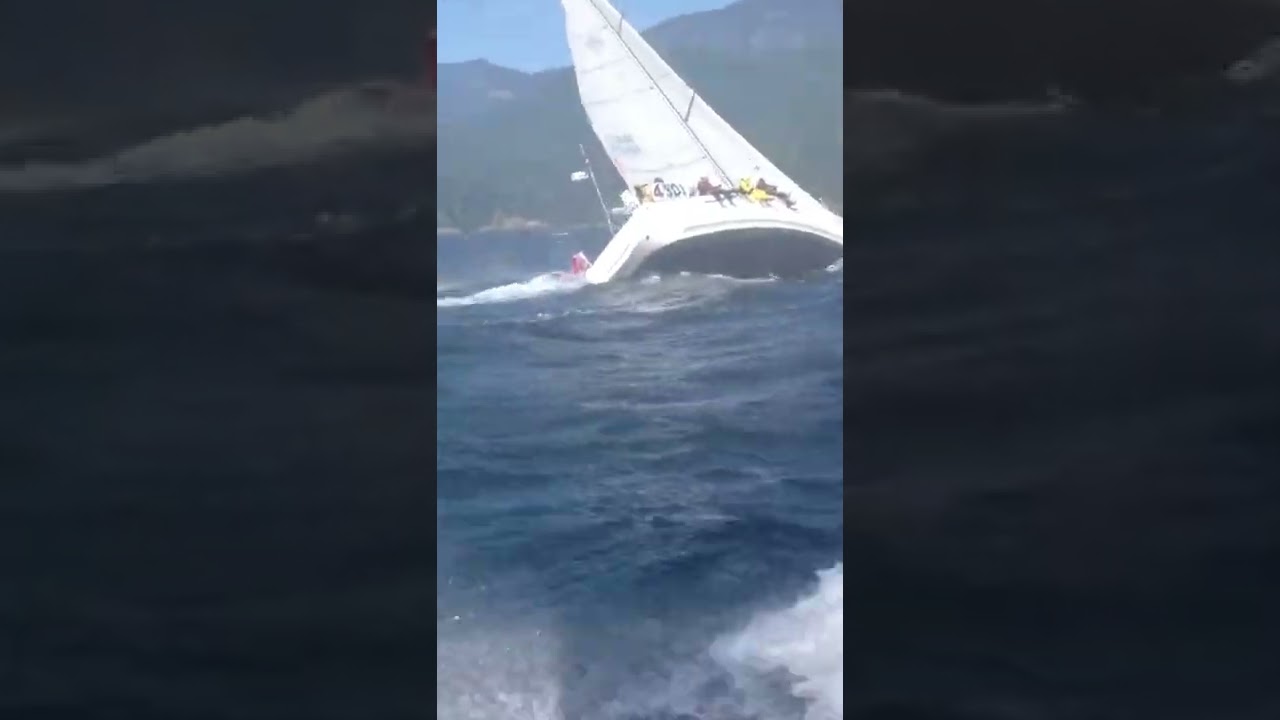
In this video we’re sailing upwind in 30+ knots of breeze in Johnstone Strait during the VanIsle360 race with a double-reefed main sail and #3 jib. Lots of sails were destroyed in that leg, including the #3 jib we’re flying in the video. Disclaimer: - This content is offered solely for your education and entertainment. - There are no warranties, expressed or implicit, about any content or its fitness for a particular purpose. - There are risks of injury, death, drunkenness, and financial hardship involved in sailing. - The skipper is always responsible for the safety of their vessel and crew. - Sailing Tips is not responsible or liable in any way for anything that happens on or anywhere near your boat or any boat that we are not in command of. #shorts #sailing #fast #upwind #reefed #sailingtips

0
0
0
54,643
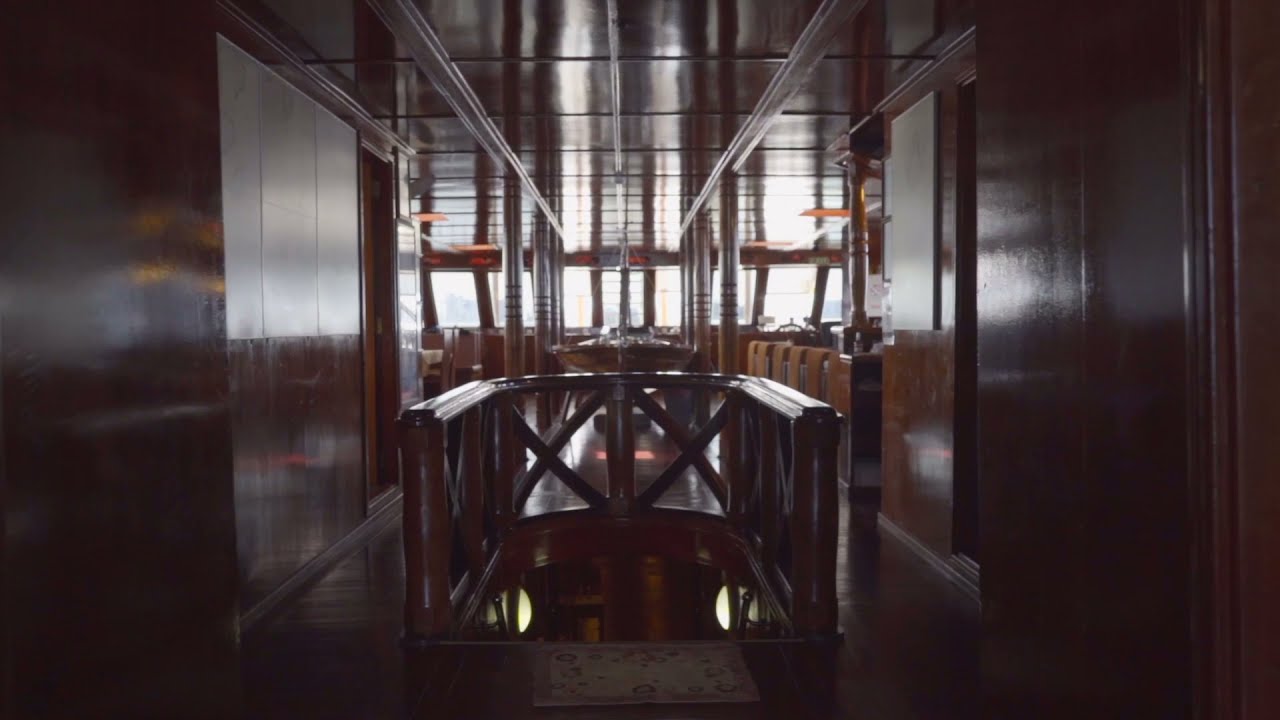
With its length of 43m Nautilus Two is an extremely spacious safari boat. First-class workmanship in traditional maldivian wood construction, and state-of-the-art equipment ensure that the Nautilus Two offers not only something for the eye. Up to 24 divers, kitesurfers and vacation guests will find luxurious accommodation during their diving trip in 12 spacious, modern guest cabins. Visit our website for impressive dive spots around the world with Maldives and More: https://www.maldivesandmore.com/ For more personal and real-time impressions check out our our social media channels: Facebook: Nautilus Two Maldives liveaboard: https://www.facebook.com/nautilustwomaldives Maldives and More: https://www.facebook.com/maldivesandmore Instagram: Nautilus Two Maldives liveaboard: https://www.instagram.com/nautilustwomaldives/ Maldives and More: https://www.instagram.com/maldivesandmore/
0
0
0
257

► Full article in Multihulls World N194: https://www.multihulls-world.com/articles-catamaran-trimaran/catamaranscup-34-charter-catamarans-setting-out-from-athens ► Held for the past 13 years out of Athens, Greece, the Catamaranscup was the brainchild of Ioannis Kourounis, a man who is anything but a stranger to the Greek boating scene, having founded the Istion Yachting charter company in 1992, which has become the market leader in the country. Ioannis was one of the very first to invest in cruising catamarans, and then back in 2010, this visionary set up a cruising regatta/flotilla to coincide with the end of the season. To follow this event, which brought together no less than 34 catamarans and 300 crew (a record!), we accompanied the Excess Catamarans team aboard an Excess 14. Check out our exclusive videos! ► Become a FREE SUBSCRIBER to Multihulls World's YouTube page now - https://www.youtube.com/c/MultihullsWorld ► Log on to our website to discover over 500 multihulls tests! Subscribe to our newsletter to take advantage of our promotions and boat show invitations! https://www.multihulls-world.com/ ► Follow us on Facebook! https://m.facebook.com/MultihullsWorldMag/?locale2=fr_FR ► Discover us on Instagram! https://www.instagram.com/multihulls_world/ ► Follow our multi news on X - https://twitter.com/multihullsworld?lang=fr ► Let’s talk about business https://www.linkedin.com/company/multicoques-mag-multihulls-world/ ► Like us on TikTok! https://www.tiktok.com/@multihullsworldmag Article complet dans Multicoques Mag N222. Disputée depuis 13 ans au départ d’Athènes, la Catamaranscup a été imaginée par Ioannis Kourounis. Cet homme est tout sauf un inconnu dans le milieu du nautisme grec puisqu’il a fondé en 1992 la société de locations de bateaux Istion Yachting, devenue leader du marché dans le pays. Ioannis a été un des tous premiers à miser sur le catamaran de croisière. C’est donc dès 2010 que ce visionnaire met en place une régate/flottille itinérante qui coïncide avec la fin de saison. Pour suivre cet événement qui a rassemblé pas mois de 34 catamarans et 300 équipiers (un record !), nous avons accompagné l’équipe Excess Catamarans à bord d’un Excess 14. Découvrez nos vidéos exclusives ! ► Abonnez-vous GRATUITEMENT à la chaîne YouTube de Multicoques Mag dès maintenant – https://www.youtube.com/c/MultihullsWorld ► Connectez-vous à notre site Web pour découvrir plus de 500 essais ! Abonnez-vous à notre newsletter afin de profiter de nos promotions et d’invitations aux salons nautiques ! https://www.multicoques-mag.com/ ► Suivez-nous sur Facebook ! https://www.facebook.com/MulticoquesMag/ ► Découvrez-nous sur Instagram https://www.instagram.com/multihulls_world/ ► Suivez les actus multi sur X https://twitter.com/multihullsworld?lang=fr ► Parlons business ! https://www.linkedin.com/company/multicoques-mag-multihulls-world/ ► Likez nous sur TikTok ! https://www.tiktok.com/@multihullsworldmag @CatamaransCup #catamaranscup #greece #regatta #bareboat #multicoquesmag #multihullsworld #catamaran #multihull #excesscatamarans #excess14 @EXCESSCatamarans @Istion #istionyachting

0
0
0
390

Book to see at Sanctuary Cove Boat Show: https://outlook.office.com/book/SeawindatSCIBS2025@multihullcentral.com/ #Seawind1170 #Reaching #catamaranlife
0
0
0
3,797

0
0
0
182

0
0
0
0
133