Welcome aboard to the our video site for sailors. We are being constantly blasted by scammers and pirates, so registration is invite only
contact@sailorsahoy.com with "Invite". No spam, no newsletters. Just a free account







The Question That Follows Every Bali 5.2 Down the Dock

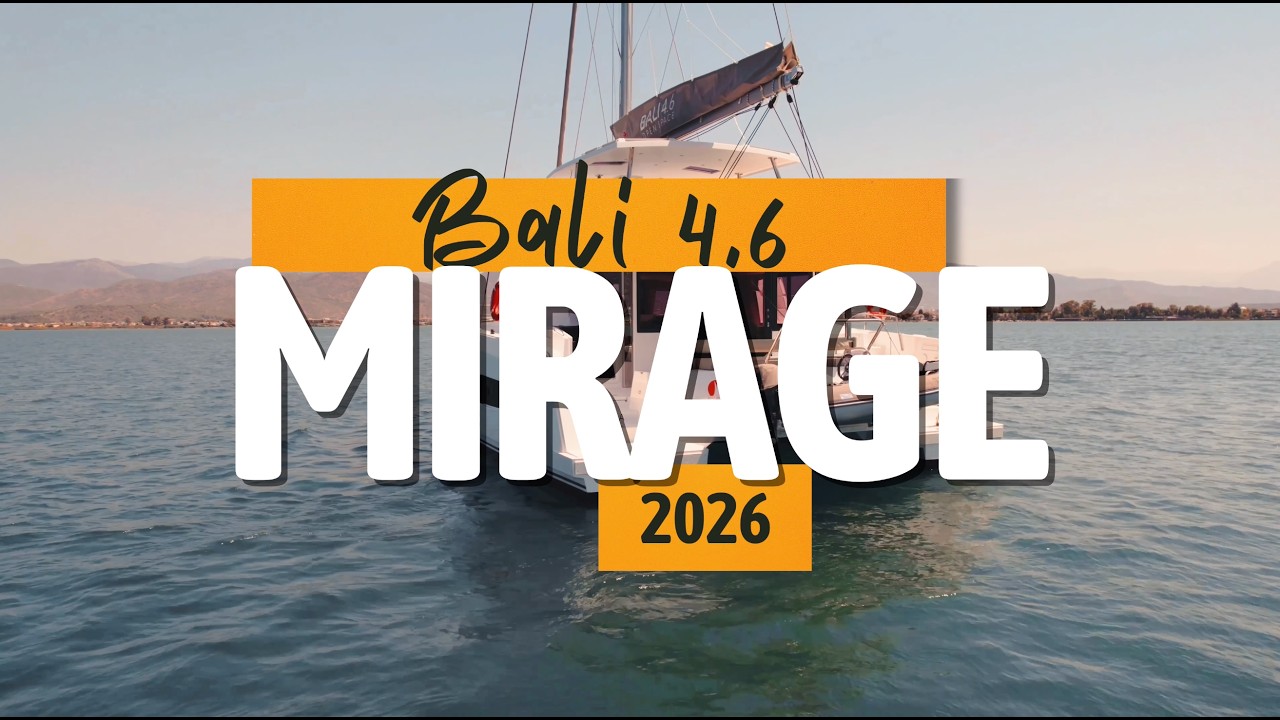
Someone at the dock pointed at the mast on this Bali 5.2 and asked Steele: "Is that mast supposed to be raked back that much?" It's a question the Catamaran Gurus' team hears constantly, at boat shows, on the docks, and from prospective buyers during walkthroughs. The answer goes deeper than most people expect, all the way back to Catana Group and their 30+ year history building performance racing catamarans. The Bali 5.2's mast is raked aft approximately 4 to 5 degrees. That's well beyond the 1 to 2 degrees found on most production cruising catamarans. It's a deliberate engineering decision that changes how the boat performs under sail. More information on the Bali 5.2: https://catamaranguru.com/yacht-sales/new-yachts/bali-catamarans/bali-52-catamaran/?utm_source=youtube&utm_campaign=Bali&utm_term=52 Why does the mast lean back? The raked mast increases forestay tension, which tightens the luff (the front edge of the sail). A tighter luff creates a flatter, more aerodynamic sail entry that lets the boat cut into the wind more efficiently rather than being pushed sideways. This is especially important when sailing upwind (pointing), which is the most demanding point of sail for any cruising catamaran. What does it do to the sail shape? With the mast tilted aft, the leech (the back edge of the sail) becomes longer. A longer leech allows excess wind pressure to spill cleanly off the trailing edge instead of loading up the rig. This reduces drag, lowers strain on the rigging, and gives the helmsman better control in variable wind conditions. The result is a sail that behaves more like an efficient airfoil and less like a parachute. How does it reduce bow pitching? Mast rake shifts the center of effort (the point where all sail forces converge) further aft. This redistributes the load so the bow doesn't get pulled down into oncoming waves as aggressively. The result is less of that uncomfortable rocking motion (bow pitching) that plagues many cruising catamarans in choppy conditions. What is the Catana Group connection? Catana Group has been building performance catamarans since 1984. The Catana brand is known for fast, race oriented multihulls. When Catana created the Bali line for the cruising market, they carried over key elements of rig geometry from their performance boats, including the aggressive mast rake. What Steele refers to as "Catana DNA." It's the reason a Bali feels different under sail compared to other cruising catamarans in the same size range. Catamaran Gurus is your safe harbor for yacht sales, yacht ownership, liveaboard lifestyle and sailing education, and charter management. Visit our website for insider details on how to own and operate a yacht for less than you think! Get expert yacht buyer assistance to ensure your buy the right boat for you and your dream.