Welcome aboard to the our video site for sailors. We are being constantly blasted by scammers and pirates, so registration is invite only
contact@sailorsahoy.com with "Invite". No spam, no newsletters. Just a free account
السراويل القصيرة خلق

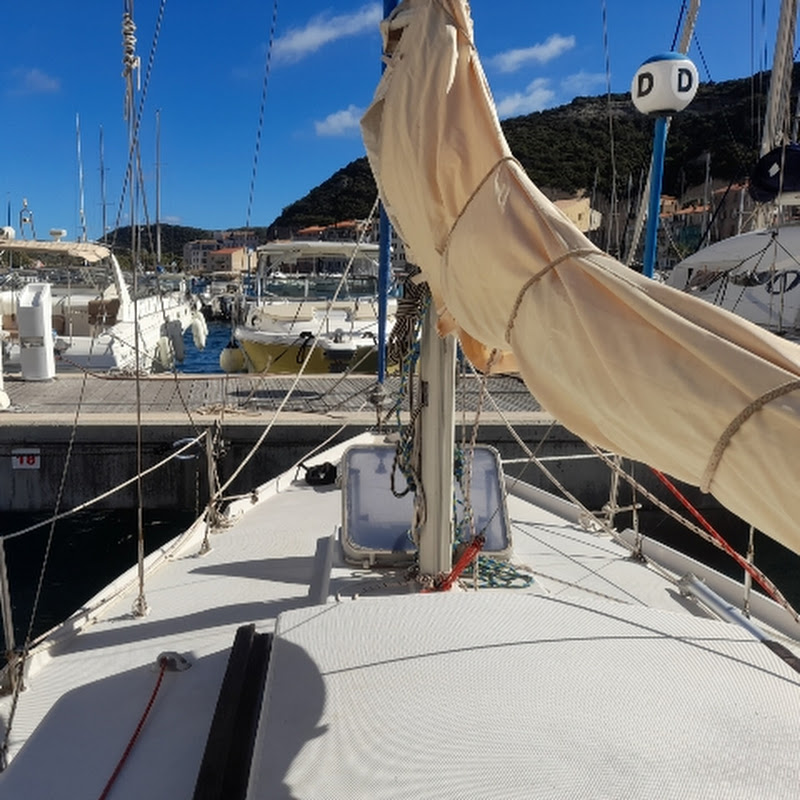
Did you know our boats don’t have a hull-to-deck joint? We don’t make our yachts like other manufacturers, we make them better, stronger, and to last longer. One of the ways we distinguish our yachts from the mass-produced yachts is the way we join the hull to the deck. Some manufacturers bond the hull to the deck with structural adhesive, some bond and use screws, some bond and bolt. We are one of a few manufacturers who bond and then laminate the deck to the hull. Doing this makes the hull stronger; the hull and the deck become a single, strong structure. It is easier and quicker to fit the interior of a yacht before the deck is attached, but doing this means that the deck will have to be joined with the bulkheads and some of the interior in place – this makes the join harder to access. We join the hull and deck as one of the first parts of the build process; the whole join can be laminated and we know there will be no voids. We then build our yachts with the deck attached; everything for the interior – the bulkheads, every item you see in the interior, including the engine – comes through the companionway or the roof in the deck saloon. #WeAreSirius #SiriusWerft #Sirius #siriusyachts #Yacht #Yachting #Sailing #Sailboat #Decksaloon #decksalon #BluewaterCruiser #OffshoreCruiser #LiftingKeel #Twinkeel #BilgeKeel #Handbuilt #Sailingyacht #Sailingboat #BlueWaterSailing #GoAnywhereCruiser #Swingkeel #OceanSailing #Circumnavigation #DreamYacht #Segeln #SailingLife #SailingLifeStyle #LiveABoard #SailingInstagram #YachtingWorld

0
0
0
4,378

0
0
0
0
13

0
0
0
0
6,753

#subscribe #shortvideo #seafarelife Seafarer works || pump repair
0
0
0
2,371

"We will refund your postage when we receive the knife back." My web forum post about it: https://www.bladeforums.com/threads/crooked-fairbairn-sykes-british-commando-knife-from-sheffield-j-nowill.1577501/

0
0
0
29,245

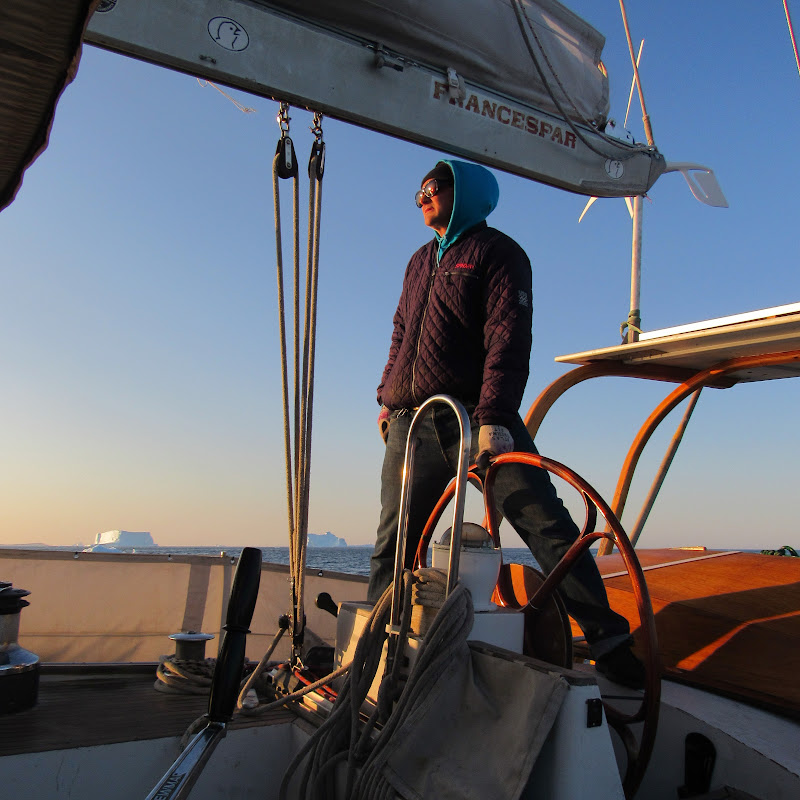
Glutton For Punishment - Nordland Archipelago Paddler Trifecta Washington State The Resourceful Sailor www.sailingwithjosh.com Never the same direction along each coast.
0
0
0
536