Welcome aboard to the our video site for sailors. We are being constantly blasted by scammers and pirates, so registration is invite only
contact@sailorsahoy.com with "Invite". No spam, no newsletters. Just a free account
شارٹس بنانا
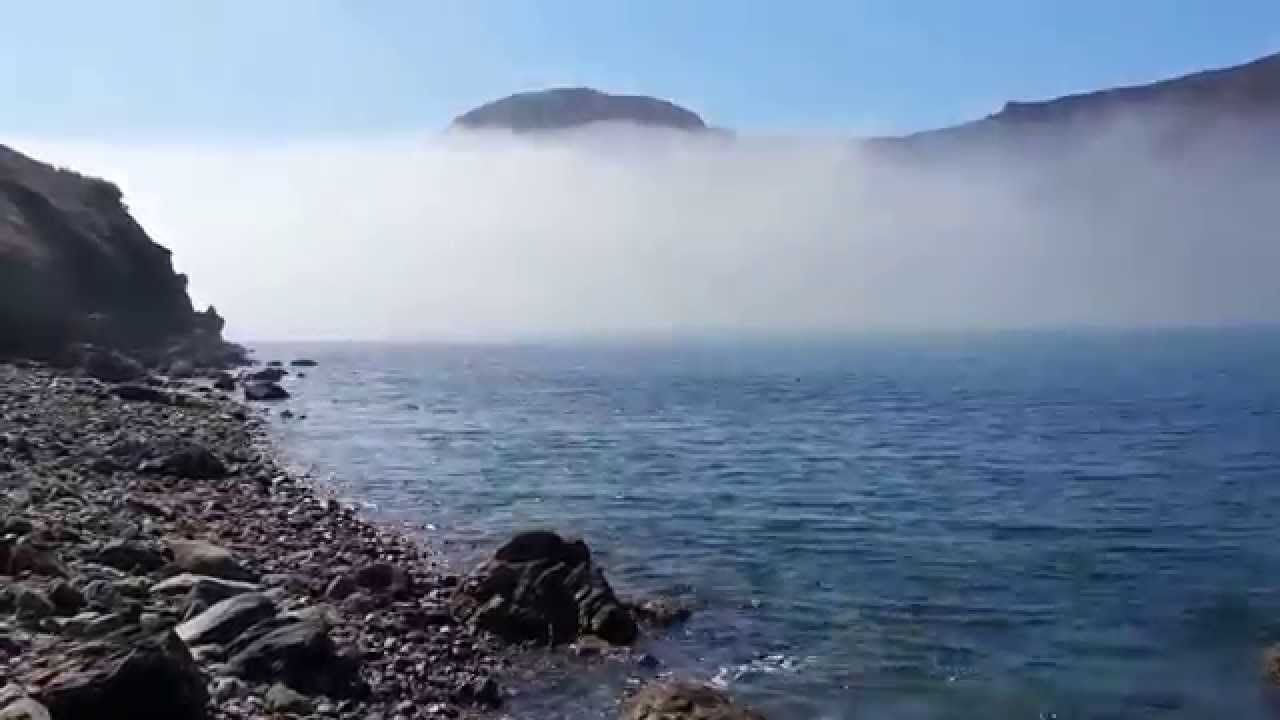
I was at Catalina Harbor on the "Hawaii side" of Catalina Island about 25 miles off the coast from Los Angeles. As I walked towards the Pacific, the fog started to roll in off the ocean. It rolled past "the pregnant lady" ridge and up the canyon on the opposite side of the harbor. A very beautiful but eerie sit sight. For a sailing circumnavigation of the island, watch Cast Off for Catalina. https://youtu.be/FA1tw76momI

0
0
0
610

On 5th March 1936, Captain Joseph 'Mutt' Summers piloted the first Supermarine Spitfire prototype, K5054, from Eastleigh Aerodrome. To mark last week's 90th Anniversary of this event we took to the skies with Spitfire K5054. We were then joined by another Spitfire painted in 16 Squadron markings which acted as a backup. It was an honour to share the skies with these aviation legends to mark this special anniversary. Here are some screenshots from the flight.

0
0
0
4

0

0
0
0
1,593

Mise à l'eau
0
0
0
120

#sailingzenshort #sailing #antigua #antiguaclassicweek #zenmode #zen #classicyacht #boatfools A moment of zen watching the Antigua Classic Week Regatta. Looking out from the entrance of Mamora Bay at St. Jame's Club & Villas. Makes me think of a song... "Sittin' in the mornin' sun I'll be sittin' when the evenin' comes Watching the ships roll in Then I watch 'em roll away again, yeah" - Otis Redding
0
0
0
1,214

0

0
0
0
2,270