Welcome aboard to the our video site for sailors. We are being constantly blasted by scammers and pirates, so registration is invite only
contact@sailorsahoy.com with "Invite". No spam, no newsletters. Just a free account









Horizontal vs Vertical Windlass: Which Anchor Windlass Is Better?

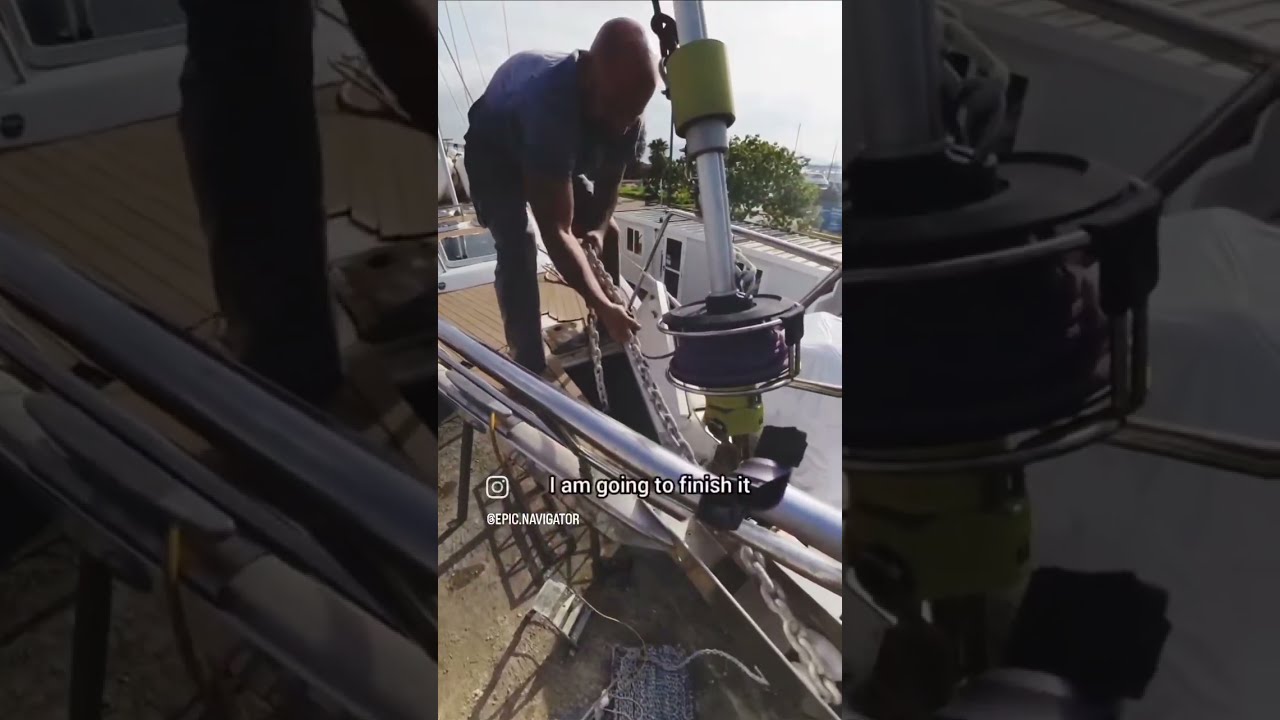
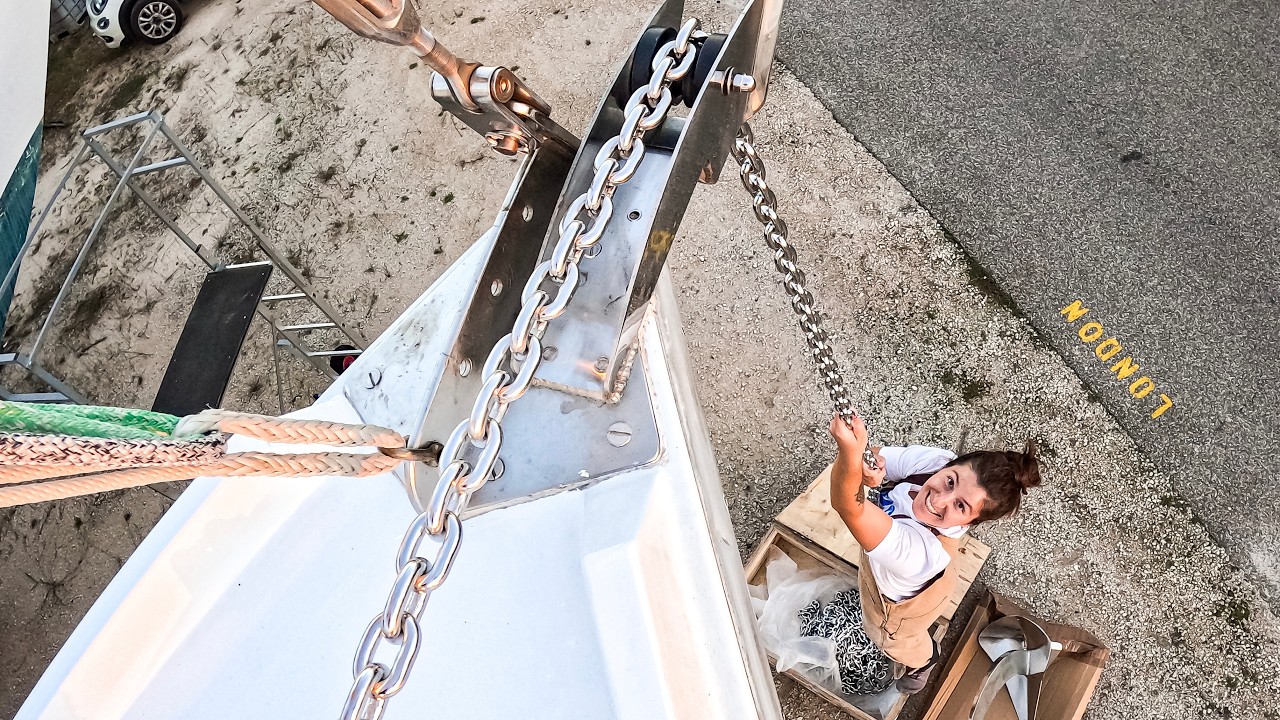
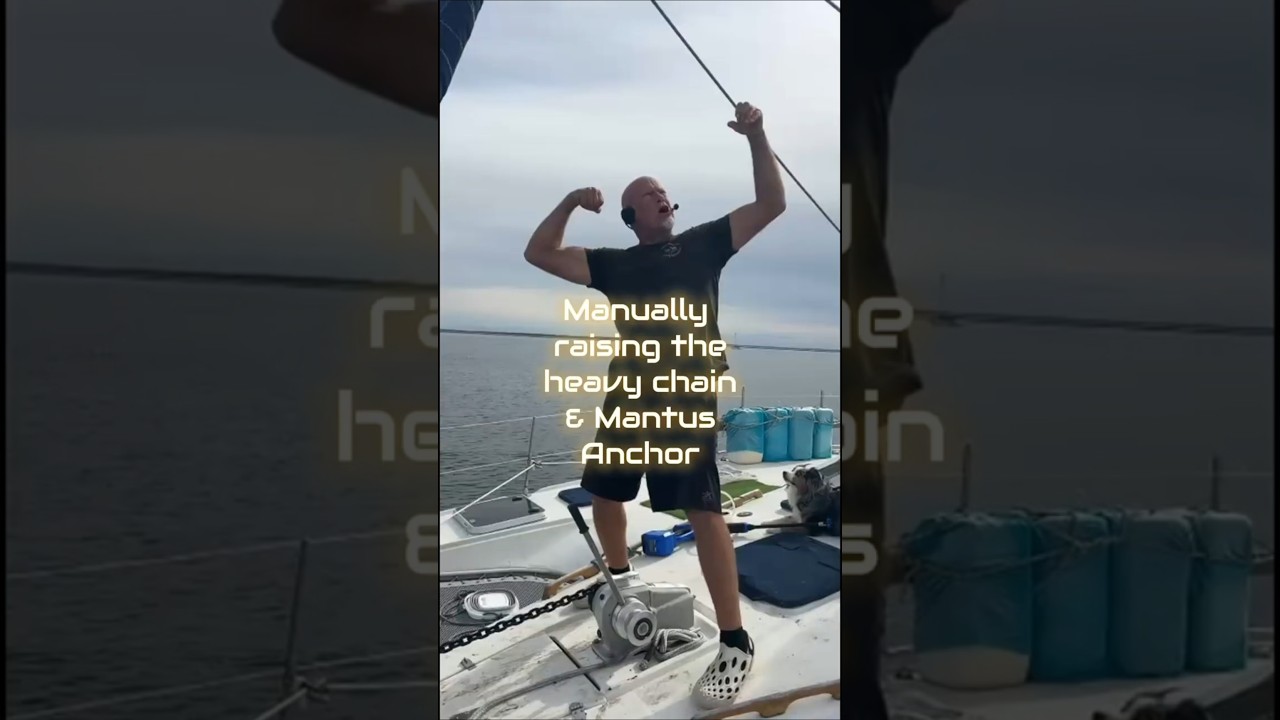
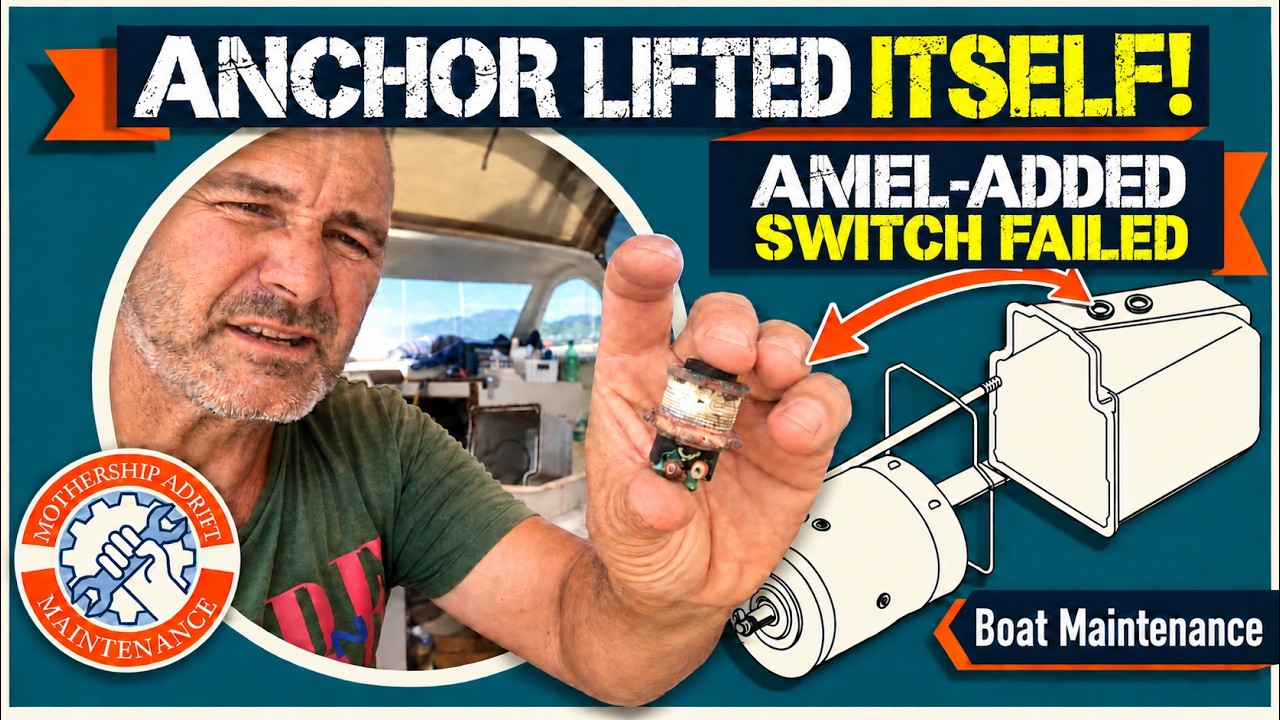
What is the difference between a horizontal windlass and a vertical windlass? In this video, we explain how horizontal and vertical anchor windlasses work, how the chain wheel rotates, and the main pros and cons of each setup. A horizontal windlass has the main shaft running horizontally across the bow of the boat, from port to starboard. The chain wheel rotates more like a Ferris wheel. A vertical windlass has the main shaft running vertically through the deck, and the chain wheel rotates more like a merry-go-round. One of the primary advantages of a horizontal windlass is that most of the system is housed above deck. That can make wiring, installation, deck bedding, access, and maintenance easier. With the motor and drive unit contained inside the deck-mounted housing, the equipment may also be less exposed to the wet, salty conditions found inside an anchor locker. A vertical windlass has a different set of advantages. It usually provides greater chain contact around the chain wheel, creates a cleaner foredeck, and often has a smaller footprint. That can be important on boats where the bow area is already crowded with anchor rollers, lights, forestays, inner forestays, hatches, and other deck hardware. The tradeoff is that the motor and gearbox on many vertical windlasses are mounted below deck in the anchor locker, where they may be exposed to damp, salty air and seawater splatter as the chain drops through the hawsepipe. Because of that, vertical windlasses may require more corrosion prevention and regular maintenance. We also discuss manual override. Some windlass models allow you to insert a handle and manually crank the anchor in. On others, the handle is only used to tension the clutch. If manual override is important to you, make sure you confirm that feature before choosing a windlass. Timestamps: 0:00 — Horizontal vs vertical windlass 0:10 — Main visual differences 0:24 — Horizontal windlass shaft orientation 0:38 — Vertical windlass shaft orientation 0:52 — Ferris wheel vs. merry-go-round chain wheel 1:10 — Advantages of a horizontal windlass 1:28 — Easier wiring, installation, and maintenance 1:48 — Motor and drive unit above deck 2:08 — Maintenance and corrosion considerations 2:32 — Advantages of a vertical windlass 2:48 — Greater chain contact on the chain wheel 3:05 — Cleaner foredeck and smaller footprint 3:28 — When deck space affects windlass selection 3:50 — Vertical windlass corrosion concerns 4:15 — Anchor locker moisture and saltwater exposure 4:38 — Spray lubricants and corrosion protection 5:02 — Manual override options 5:25 — Clutch tensioning vs. true manual cranking 5:45 — What to check before choosing a windlass