Welcome aboard to the our video site for sailors. We are being constantly blasted by scammers and pirates, so registration is invite only
contact@sailorsahoy.com with "Invite". No spam, no newsletters. Just a free account
Shorts Lumikha
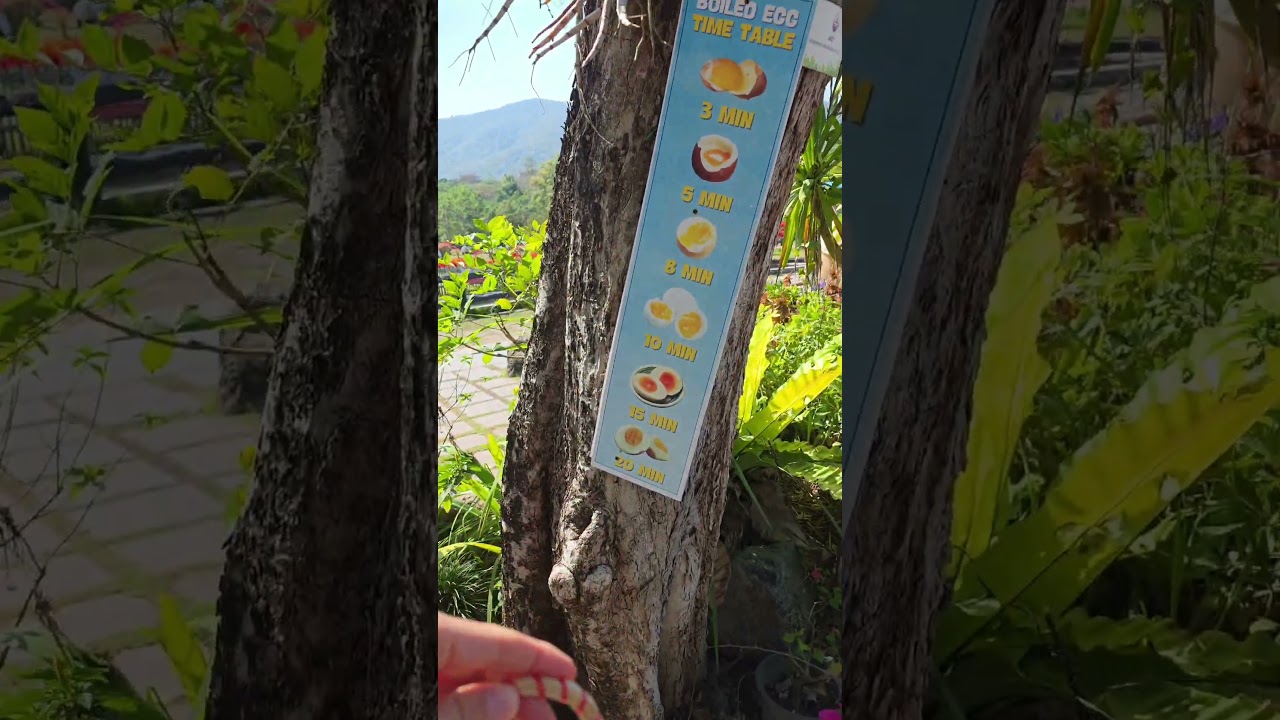
We didn't expect to cook breakfast in a hot spring. San Kamphaeng hot springs, just outside Chiang Mai. Locals come every weekend with their families, picnics and everyone waiting for their number at the egg station. Here's how it works: you buy a basket of raw eggs, a woven holder, and soy sauce. Find a free hook, every hook has a number so no one steals your eggs 😄, hang your basket in the bubbling water, check the chart for soft or hard, and wait. The water shoots 3 metres out of the ground. Natural. Powerful. Completely free to watch. We added salt instead of soy sauce. Old habits. Best eggs we've ever had. No kitchen required. This is one afternoon outside Chiang Mai. We found 40+ spots like this, the kind that don't appear on any list. Chiang Mai Like a Local · Live Full. Eat Slow. More at @sailingkanoa 🔖
0
0
0
1,625

0
0
0
0
193

Tug boat nearly sinks the Quail. Okay not really, the captains and crew of the Crowley Tug Boat company are consummate professionals. This scene was taken at the 5'th Annual Anacortes Work Boat Races.

0
0
0
1,496
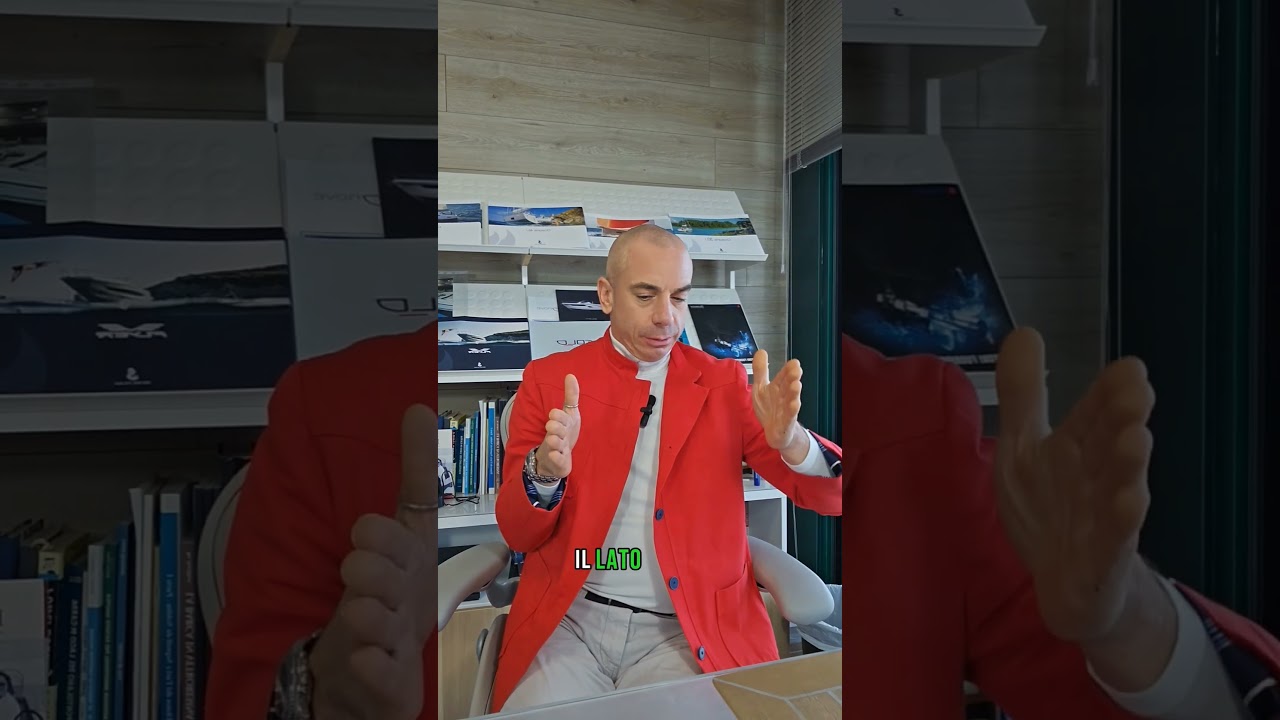
bordare: (v.) (Conduzione) to trim the sail, to spread the sail Termine obsoleto oggi sostituito da "regolare le vele" o "cazzare/lascare le vele" bordo: (s.m.) [A]. (Terminologia) side Lato della nave (bordo di dritta e bordo di sinistra). Riferito al vento si dice bordo di sopravvento e di sottovento. Si indica in questo modo anche ciascun tratto di bordeggio che un veliero compie per risalire il vento. Si usano anche i sinonimi "lato" e "fianco". [B]. a b. (Terminologia) on board, aboard Significa sull'imbarcazione", [C]. salire a b. (Terminologia) to board Salire sull'imbarcazione. [D]. fuori (Terminologia) outboard Fuori dell'imbarcazione. [E]. virare di b. (Conduzione) to put the boat about Cambio di mura di un veliero, cioè passaggio della prua al vento (virare di prua), per prendere il vento dal bordo opposto al precedente. E' parte del bordeggio. [F]. b. libero (Terminologia) free board Nelle navi si chiama così l'altezza del ponte principale dal livello del mare, a pieno carico e alla massima immersione consentita. Nelle imbarcazioni da diporto analogamente corrisponde alla massima altezza della coperta dal livello del mare.

0
0
0
425

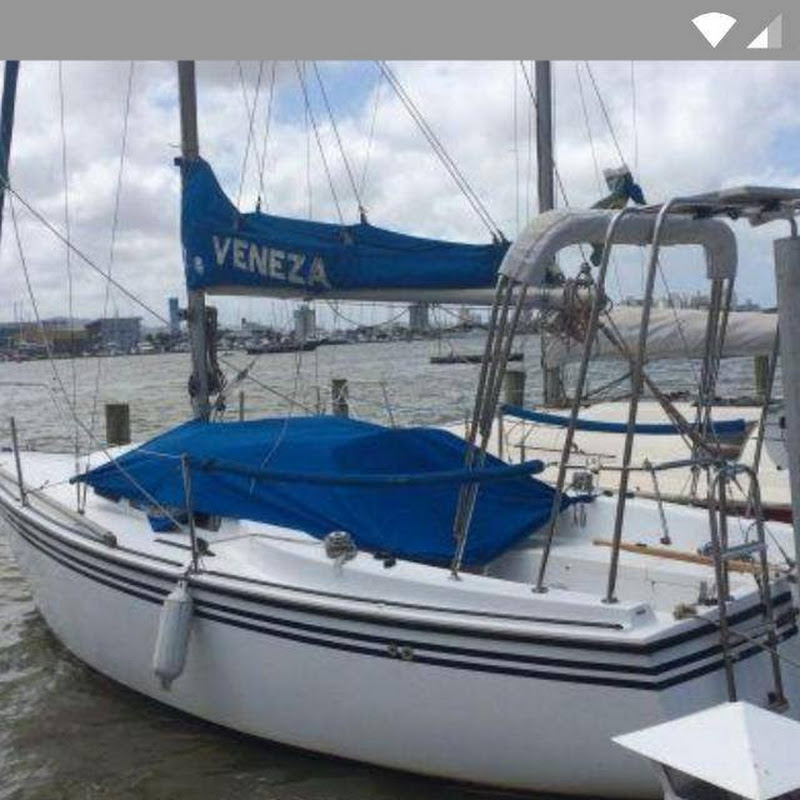
E ASSIM FOI UM POUCO DO CARNAVAL.....2
0
0
0
18

0
0
0
17