Welcome aboard to the our video site for sailors. We are being constantly blasted by scammers and pirates, so registration is invite only
contact@sailorsahoy.com with "Invite". No spam, no newsletters. Just a free account
ショーツ 作成
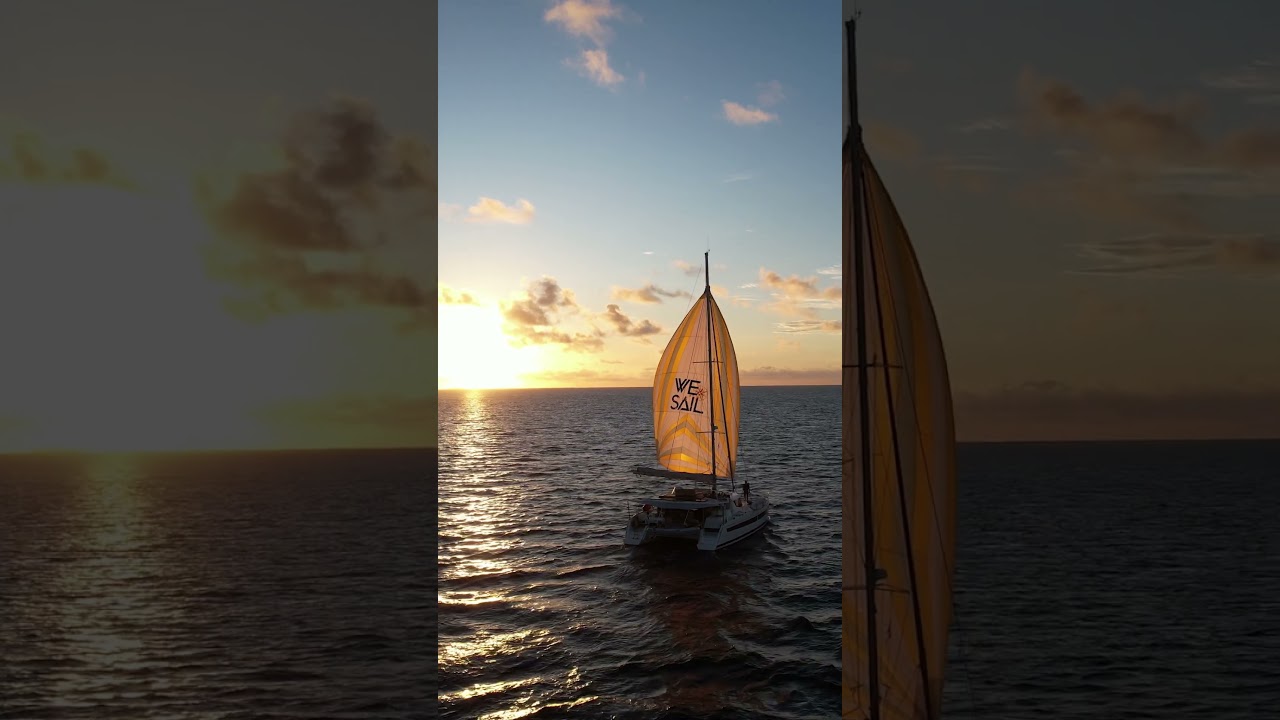
The conditions were perfect to sail out of the remote islands interior blue lagoons and our into the open ocean for an overnight to the next island. We set off into the sunset and at first light we would wake to another destination. The beauty of traveling by the wind and getting to move your home from one beautiful spot to the next is pure magic… when the conditions are right that is! #wesail #sailing #travel #southpacific #islandhopping #boatlife

0
0
0
3,268

Blue water, breeze, and a big win. 🌊 Day 2️⃣ of the North Sound Maxi Regatta delivered on its promise—a 26-mile coastal race that started and finished in the heart of the North Sound, threading through islands and tight corners, with conditions that kept tacticians on high alert. Balthasar, powered by North Sails, sailed a smart and steady race to take the win on corrected time, while V claimed line honours. “It was very intense at the beginning—way more breeze than expected,” said North Sails expert Bouwe Bekking, project manager onboard Balthasar. “We nailed our timing at the start and got clear air. That helped us march to the first mark. We’ve done a lot of offshore races, so we know the angles, we know our sail settings. That really helped today.” With two races down and momentum building, Balthasar now leads the fleet—proof that performance, preparation, and precision continue to pay off in the Caribbean’s most scenic battleground. Back at it today. More breeze, more battles, more racing to come. 🏁🌬️ #NorthSails #MaxiRegatta #BitterEndYachtClub #NorthSound #VirginGorda 🎥 Vertigo Films | North Sound Maxi Regatta

0
0
0
1,139
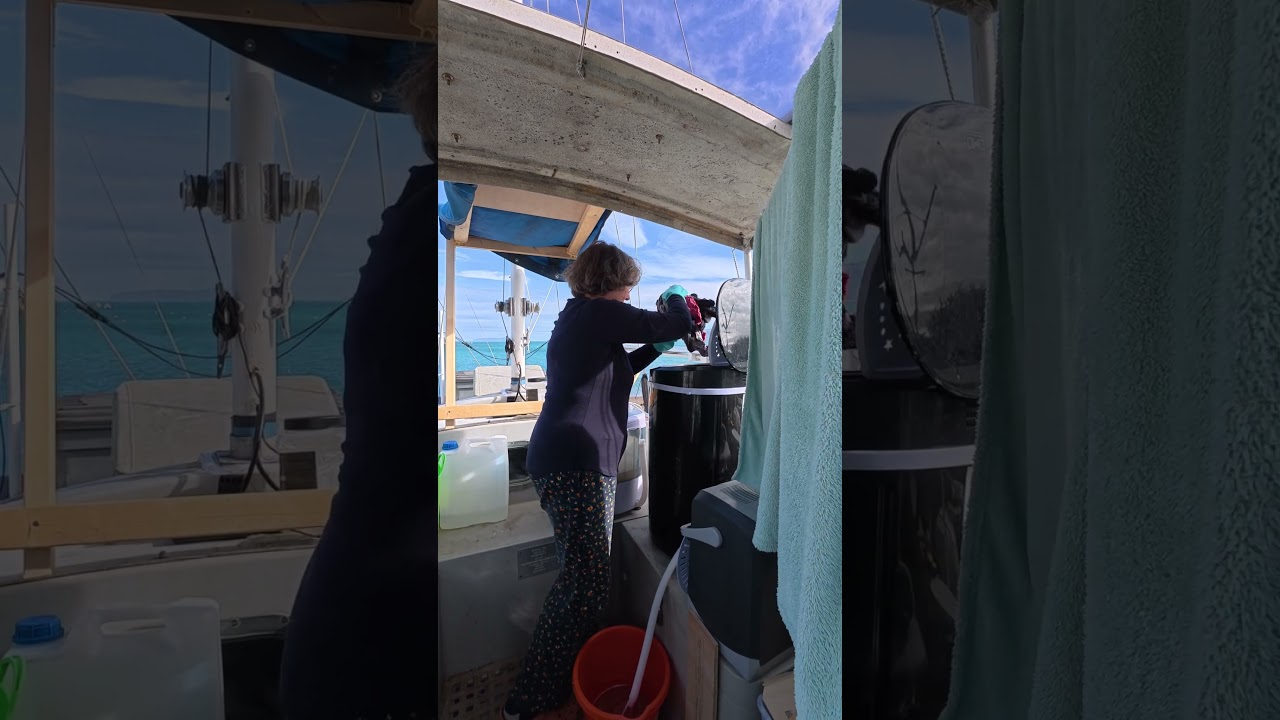
Our first washing day since we connected the first solar panels :-) We have ended with more in the batteries than we started the day despite multiple loads of washing and spin drying, doing the washing up (between them and drinks boiling the kettle on the induction hob at least 6 times), and running my computer (mini desktop with 40" screen). We are now living aboard our Rival 38 Centre Cockpit full-time while finishing a refit so we can launch ASAP. We have a frequently updated blog at https://sustainablesailing.net with membership options and a weekly newsletter at £2 per month for Early Bird Supporters. Our free Sustainable Sailing book is at: https://sustainablesailing.codeberg.p... Or visit our shop at https://sustainablesailing.teemill.com/ for great hoodies, t-shirts and bags. When we bought Vida in August 2019 she was in a very tired and damp condition with all original equipment and fittings (much of it not working). We have removed all the gas, diesel and paraffin equipment, and are installing all-electric (motor, cooking etc). More details on our blog at https://sustainablesailing.net/ Socials: Facebook: sustainsailing Mastodon: https://mas.to/@SustainableSailing

0
0
0
606

0

0
0
0
8

0
0
0
482

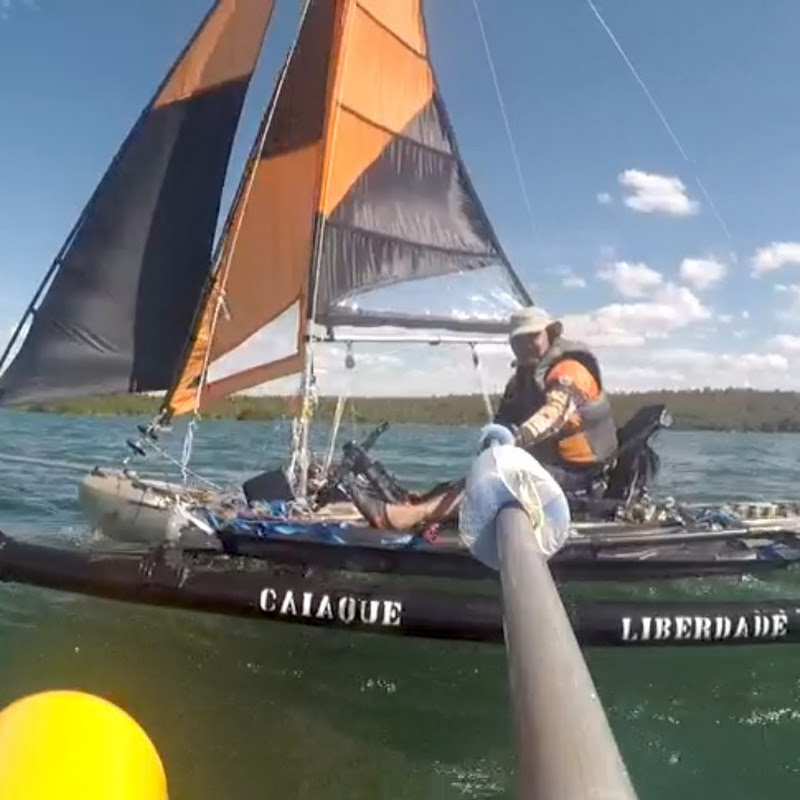
Correnteza Bruta no Rio dos Bois
0
0
0
200