Welcome aboard to the our video site for sailors. We are being constantly blasted by scammers and pirates, so registration is invite only
contact@sailorsahoy.com with "Invite". No spam, no newsletters. Just a free account
Corti Creare

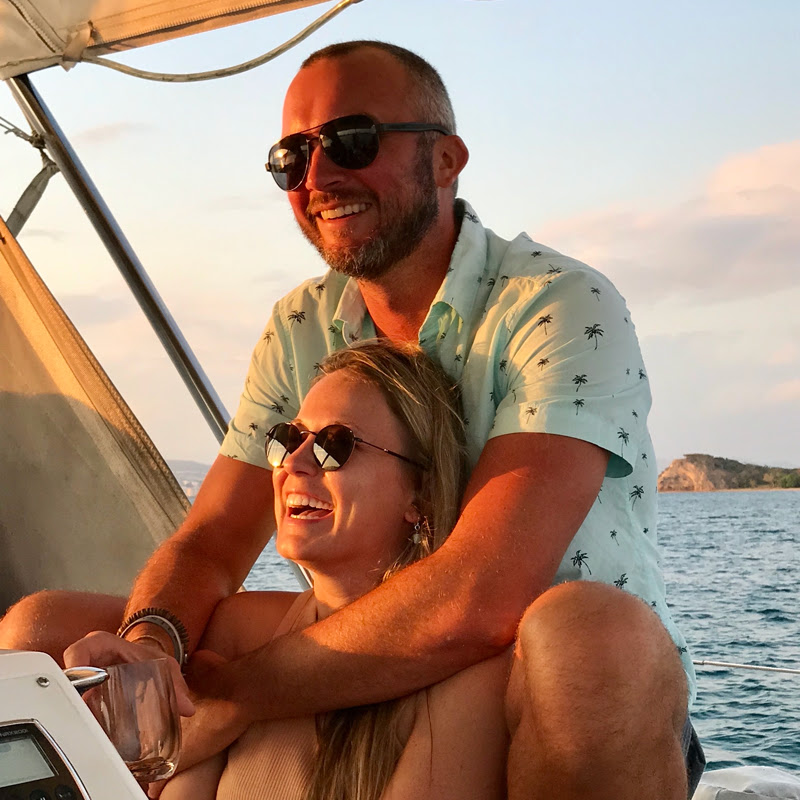
hello! It has been a rough few weeks onboard with working through all of the possible routes and weather windows to sail through the Bahamas during what is supposed to be a very active hurricane season. We would have been rushing through and that just seemed silly. So, we’ve come to the difficult decision that it safest for us to sail north until early fall before making our way back south. That is of course, the current plan, and plans change all of the time. Thanks for following along, Cheers! -Ed & Paige #lifeonasailboat #sailing #changeofplans
0
0
0
328

0
0
0
0
17

Arcona 32 https://www.scanboat.com/en/17451711

0
0
0
505
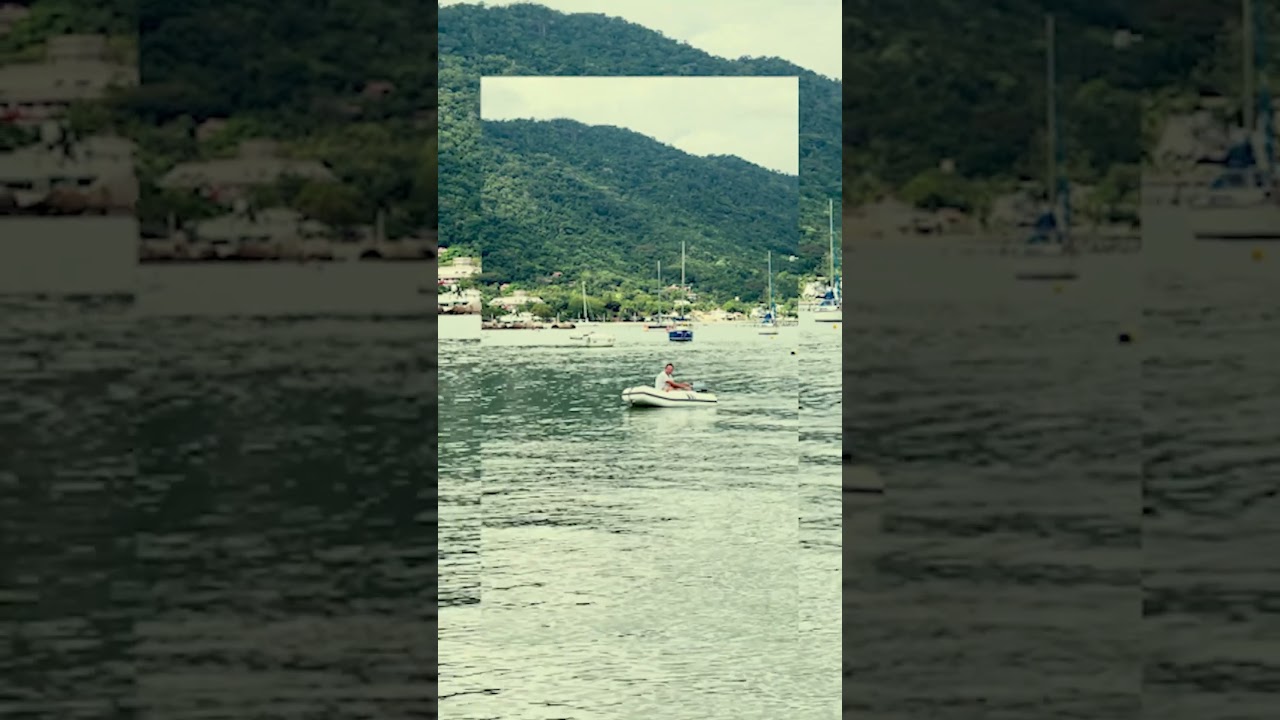
Entre tapas e beijos o motor de popa sempre teve seu papel na vida a bordo. Tanto para resolver problemas quanto para ser o problema. hehe Voce também ja ficou na mão por causa de um motorzinho de popa?
0
0
0
297

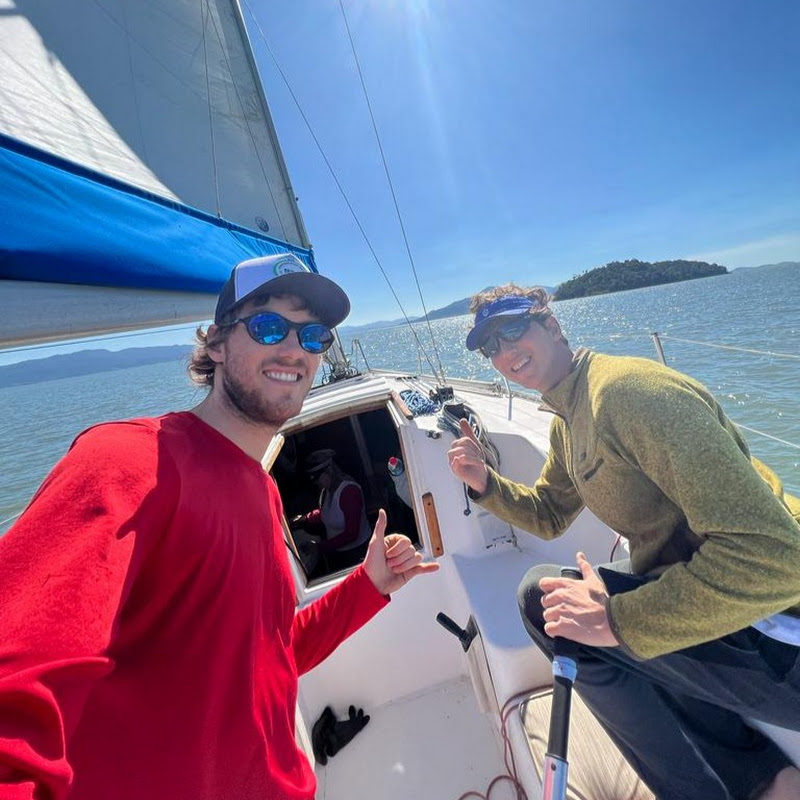
Lite sköna bilder från segling i Kroatien

0
0
0
230

Are you a Savvy Yacht Buyer? 🚤✨ From unmatched speed and safety to incredible range and stability, modern multihulls like Neel and Len Trimarans are redefining ocean adventures. Ready to elevate your yachting experience? Let’s make it happen. 🌊🌟 #multihullsailing #NEELtrimarans #cruisinglife #sailing #Nautitechcatamarans #McConaghyBoats #LuxuryYachts #shorts

0
0
0
0