Welcome aboard to the our video site for sailors. We are being constantly blasted by scammers and pirates, so registration is invite only
contact@sailorsahoy.com with "Invite". No spam, no newsletters. Just a free account








Wind, Water, and Hope - An Interview with Captain David Bill
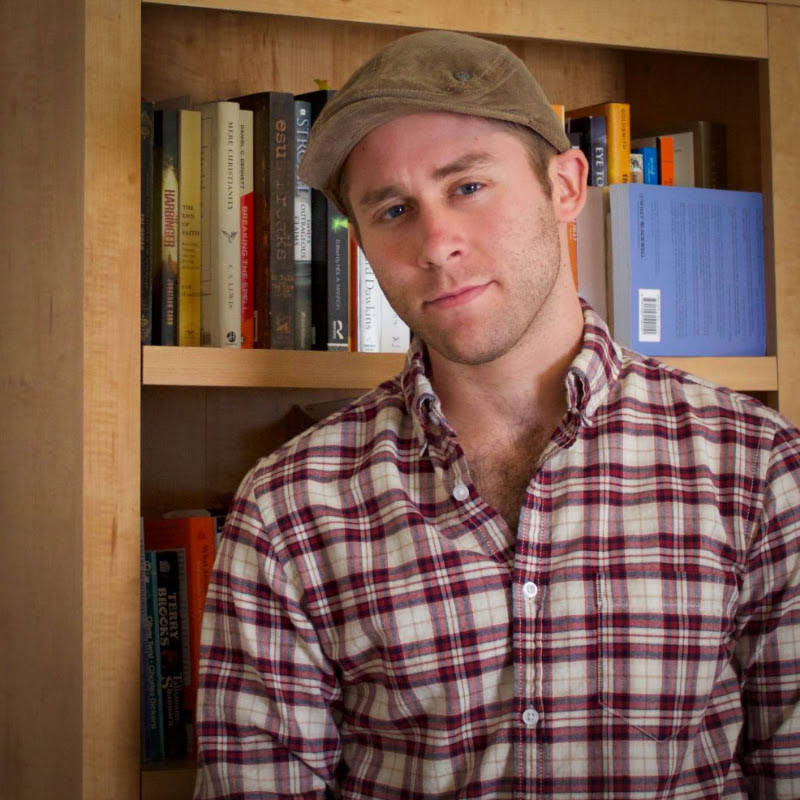
Captain David Bill: A Lifelong Sailor's Journey to Ocean Conservation and Regenerative Fisheries Captain David Bill is a lifelong sailor, ocean advocate, and former marine educator who has dedicated his life to protecting our oceans through sustainable practices and community-based conservation. With 29 years teaching at Tabor Academy in Massachusetts and 10 years in the Merchant Marines, Captain Bill brings decades of maritime experience to the conversation on ocean sustainability. Early Connection to the Sea: Captain Bill's love for the ocean began in childhood, spending summers at the beach in Connecticut with his small rowing skiff, Moby Dink. From crabbing and fishing to his first business selling bait crabs for 2 cents apiece, the water has been central to his life. Today, he lives aboard his sailboat Dream, having sailed from Massachusetts to the Bahamas after retiring from teaching. Understanding Regenerative Fisheries: Through his work as a merchant mariner, Captain Bill witnessed harmful industrial practices like butterworthing—cleaning oil tanks with saltwater and dumping the contaminated water overboard. These experiences sparked his interest in regenerative ocean practices: using ocean resources while changing our methods to ensure their perpetuation for future generations. The Scale of Ocean Problems: Captain Bill acknowledges feeling overwhelmed by the magnitude of ocean challenges—pollution, dead zones, coral reef die-off, and plastic waste. With a growing global population requiring food, clean air, and water, the problems seem insurmountable. However, he emphasizes that this is not an excuse for inaction. Each person can make a difference, even when facing overwhelming environmental challenges. The Tabor Academy Oyster Farm: A Model for Success: As a concrete example of regenerative practices, Captain Bill established the Tabor Academy Oyster Farm in partnership with the town of Marion, Massachusetts. This community-based project allowed high school students to propagate Eastern oysters in their natural waters, learning how food is grown while supporting local commercial fishermen and contributing to sustainable fishing practices. The oyster farm demonstrated that grassroots environmental projects can succeed when communities work together. Local Solutions Over Large-Scale Operations: Captain Bill believes the most successful sustainable practices happen at the community level. While large-scale operations are possible, they often lose focus on core values due to management complications and reduced individual investment. Communities connected to local projects feel empowered to create positive change for future generations. Consumer Responsibility and Local Food Systems: Addressing consumer impact, Captain Bill advocates for supporting local food systems rather than relying on products shipped across oceans using massive natural resources. Containerization and global cargo shipping deplete shared resources. By creating and consuming local food, communities can thrive without depending on resource-intensive global supply chains. The Romance of Sailing: Captain Bill reflects on why sailing captivates us—appearing in doctor's offices, workplaces, clothing, and language itself. He believes we're all connected to water's serenity and mystery. Sailing harnesses God-given gifts of wind and water, allowing natural, fossil-fuel-free transportation to anywhere on Earth. It represents our last frontier—an adventurous, voyaging spirit that offers the possibility of being somewhere beyond where we are now. Key Lessons for Ocean Conservation: The most important lesson from Captain Bill's experience: when starting something you believe is important, don't be discouraged by those who say "why bother" or "that's too much work." You don't need a science degree to make a difference. Start with simple efforts—people will see your vision and want to participate. This grassroots approach applies to all conservation work and life itself.