Welcome aboard to the our video site for sailors. We are being constantly blasted by scammers and pirates, so registration is invite only
contact@sailorsahoy.com with "Invite". No spam, no newsletters. Just a free account
Shorts Créer

The Lassithi Plateau at the island of Crete is a wide, fertile plain over 800 meters above sea level, surrounded by peaks, dotted with villages and fields as far as the eye could see. One of the first things we noticed was a row of stone windmills. There were about 20 in view, but once, there were over 10,000 of them! These windmills used to pump water from the ground for irrigation – a lifeline for agriculture here. The Lassithi Plateau has long been the agricultural heart of eastern Crete, with a unique microclimate and plenty of groundwater. Even today, the 18 villages around the plateau live primarily from farming. We flew our drone to capture this sweeping valley from above – the perfect blend of natural beauty and human ingenuity.
0
0
0
57

https://www.scanboat.com/de/bootsmarkt/boote Scanboat bietet die Möglichkeit zwischen Segelboote, Motorboote und vieles mehr aus ganz Europa zu Suchen. Viel Erfolg bei der Suche nach Ihrem Traumboot. Beim Bootsverkauf lohnt es sich vielleicht auch einfach zu tauschen - Unter den vielen Anzeigen unter Taushbörse, befinden sich Verkäufer, die bereit sind zu tauschen, gegen ein anderes, ähnliches Boot oder einen anderen Bootstyp https://www.scanboat.com/en/0

0
0
0
1,616

We help some cute puppies and their mum, and take Chuffed for a test sail with the new rigging #sailors #veterinarian #veterinary #animals #cuteanimals #animalshorts #boating

0
0
0
1,206

0
0
0
0
11,436

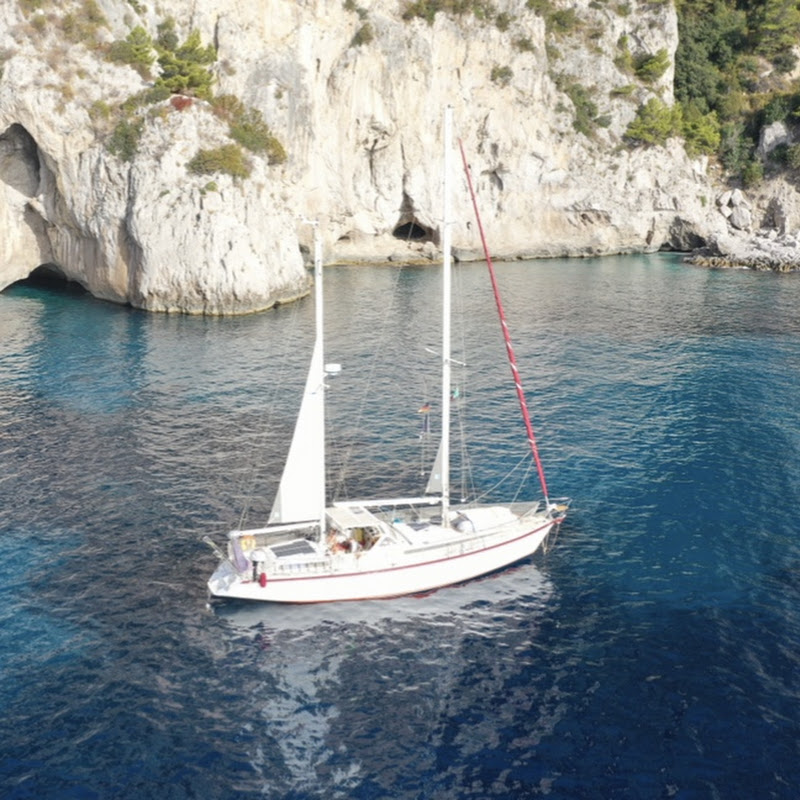
If you enjoyed this short vid, let us know with SUPER THANKS! ☝️🙏 SUPPORT our work (Patreon/FTBMates/RumFund) - https://followtheboat.com/pub/ Join us on DISCORD! https://discord.gg/H9jmztupTx Thank you for watching! Please COMMENT. And don't forget to LIKE and SUBSCRIBE, it really helps us get noticed. Peace and fair winds! Liz and Jamie FTB MERCH https://followtheboat.com/shop LET'S CONNECT! FB - https://www.facebook.com/followtheboat/ Instagram - https://www.instagram.com/followtheboat/ Twitter: https://twitter.com/followtheboat OUR SAILBOAT SY Esper is a 1989 Oyster435 cutter-rigged ketch FOLLOW US IN REAL-TIME WITH AIS *http://www.marinetraffic.com MMSI - 235026188 USEFUL VIDS: 🎞️ HOW WE STARTED SAILING - https://youtu.be/lIUB0O5bqRI 🎞️ 5 REASONS NOT TO BUY A SAILBOAT - https://youtu.be/H7bCn58-_GU 🎞️ 5 REASONS YOU SHOULD BUY A SAILBOAT - https://youtu.be/NF4dvGuEip8 🎞️ HOW MUCH TO SAIL AROUND THE WORLD? - https://youtu.be/p35rfFOTqio 🎞️ ARE YOU TOO OLD TO SAIL? - https://youtu.be/iivHjZYJHCc 🎞️ HOW TO BUY A SAILBOAT - https://youtu.be/PQyn02VT1jY 🎞️ THE BEST SAILBOAT TO SAIL AROUND THE WORLD? - https://youtu.be/atYZTniOI04 🎣 Liz's Top 3 Fishing Tips - https://youtu.be/4x3KDBDBUyE All Music from Epidemic Sound #sailing #shorts #sailingaroundtheworld

0
0
0
1,343

0
0
0
729