Welcome aboard to the our video site for sailors. We are being constantly blasted by scammers and pirates, so registration is invite only
contact@sailorsahoy.com with "Invite". No spam, no newsletters. Just a free account
Shorts Lumikha

The Lassithi Plateau at the island of Crete is a wide, fertile plain over 800 meters above sea level, surrounded by peaks, dotted with villages and fields as far as the eye could see. One of the first things we noticed was a row of stone windmills. There were about 20 in view, but once, there were over 10,000 of them! These windmills used to pump water from the ground for irrigation – a lifeline for agriculture here. The Lassithi Plateau has long been the agricultural heart of eastern Crete, with a unique microclimate and plenty of groundwater. Even today, the 18 villages around the plateau live primarily from farming. We flew our drone to capture this sweeping valley from above – the perfect blend of natural beauty and human ingenuity.
0
0
0
57

Our mission is simple. We want you to achieve results. Your learning is our success, and this course has been designed with this goal solely in mind. You'll begin to learn new concepts and techniques through the videos and resources presented online. Then you'll take our recommended actions combined with your new knowledge and skyrocket your dinghy performance to the next level. Virtual Coaching Sign Up Link: https://discord.gg/virtualcoaching Visit: https://internationalsailingacademy.com/ Laser Sailing Coaching: https://internationalsailingacademy.com/about/ ISA Online: http://learn.internationalsailingacademy.com Laser Sailing Clinics: https://internationalsailingacademy.com/clinic-dates/ #lasersailing #ilca #ilcasailing #sailing #ilcasailors #lasersailboat #laserclinic #ilcaclinic #clinicforlasers #ilcaclinicmexico
0
0
0
1,222

Ratchet@sailingwindsome7056
0
0
0
806
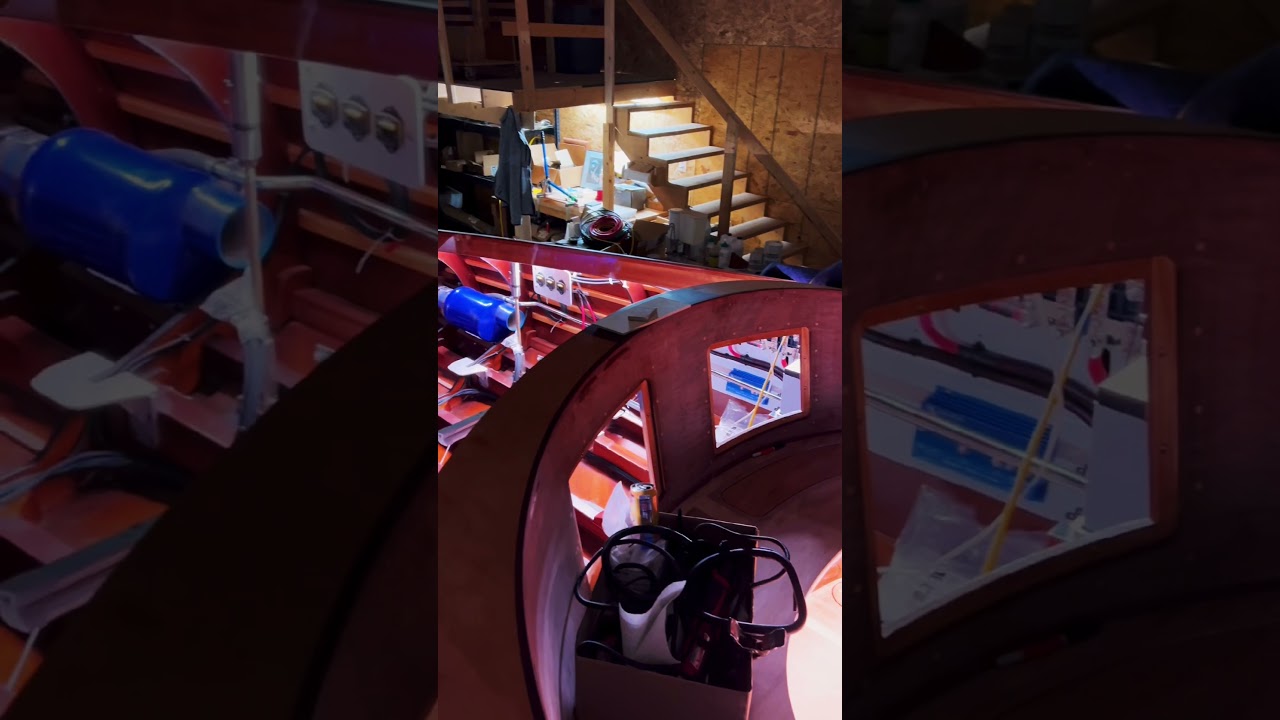
Working on the electrical for this custom runabout boat in Michigan this week
0
0
0
25

Give it a thumbs up if you liked this episode! Get your Sailing Into Freedom Crew T-shirt: https://teespring.com/stores/sailing-into-freedom Want more? Became our patron and get access to exclusive content. https://www.patreon.com/sailingintofreedom If you would like to support with single donations click here - https://www.paypal.me/Plukky Check out some gear we have on the boat: Inverter https://www.amazon.com/Xantrex-PROWatt-Inverter-Model-806-1220/dp/B002LGEMOQ/ref=sr_1_5_mod_primary_new?dchild=1&keywords=marine+inverter&qid=1616102481&sbo=RZvfv%2F%2FHxDF%2BO5021pAnSA%3D%3D&sr=8-5 handheld radio https://www.amazon.com/Standard-Horizon-HX210-6W-Compact/dp/B07KN6LKVG/ref=sr_1_6?dchild=1&keywords=marine+radio&qid=1616102542&sr=8-6 (As an Amazon Associate I earn from qualifying purchases and I greatly appreciate your support!) Also follow us on - Instagram: https://www.instagram.com/sailingintofreedom Facebook: https://www.facebook.com/sailingintofreedom Our website: https://www.sailingintofreedom.comGive it a thumbs up if you liked this episode! Get your Sailing Into Freedom Crew T-shirt: https://teespring.com/stores/sailing-into-freedom Want more? Became our patron and get access to exclusive content. https://www.patreon.com/sailingintofreedom If you would like to support with single donations click here - https://www.paypal.me/Plukky
0
0
0
598

420 World Championship 2019 - Flashlight 8th July
0
0
0
14