Welcome aboard to the our video site for sailors. We are being constantly blasted by scammers and pirates, so registration is invite only
contact@sailorsahoy.com with "Invite". No spam, no newsletters. Just a free account
Kratke hlače Stvoriti

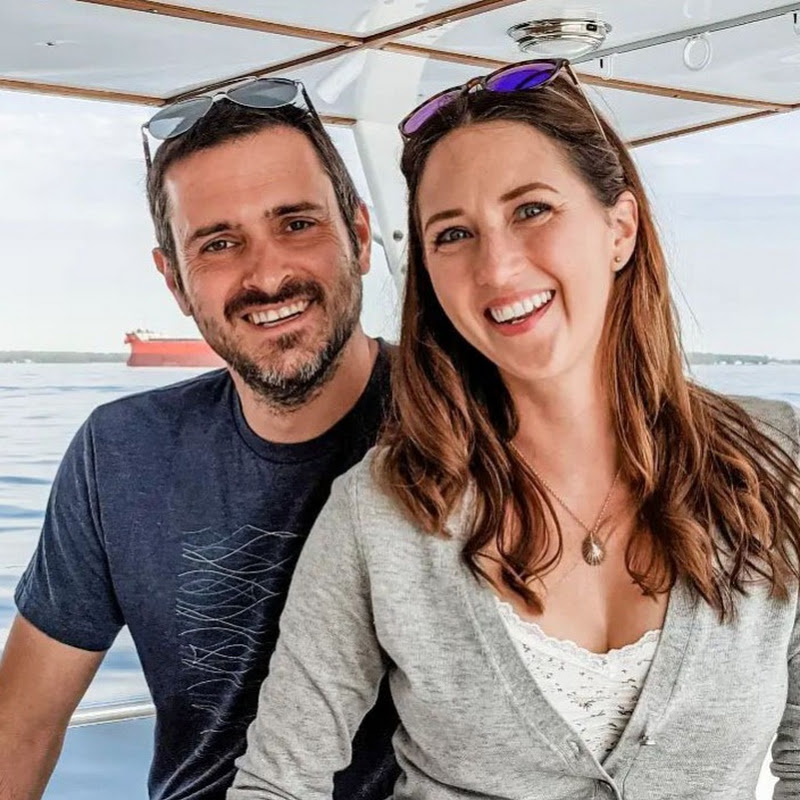
Where were they going without ever knowing the way? That's a good question! Looking back on our past experiences with cruising sailboats, we always find ourselves in trouble while enjoying a glass of sangria in the Azores and Canary Islands. In 2014, after making our first Atlantic Ocean crossing from Miami to Horta (Faial), we got to talking about an aluminum boat that could one day take us to the Arctic. We had high hopes, and lots of delusions, that we could complete a 9 month full refit on this hunk of metal that had been abandoned in Southern Florida for 10 years. 2.5 years after moving her from storage to the work yard (and that was after crossing BACK across the Atlantic to return on our first cruising boat to Florida), we did splash the Alu boat and head out for a grand adventure. Completing our goal of sailing her into the Arctic Circle, we had been wintering over in the UK when we decided to escape the cold for a few weeks and take advantage of incredibly cheap flights to Tenerife. Think $140 round trip. Sitting in a Montaditos, we discussed how poor the aluminum boat was at sailing, and how much we missed the performance cruiser of our previous Sabre. But...multihulls were the future, and honestly, I was tired of getting seasick from every passage we went on. Mart had hopes for another refit, but I was adamant that the kind of time and effort we'd have to dedicate would be much better spent on a new build. We researched home builds and were eventually contacted by Max Cruise in the process. Once again delusions took over as we thought we could complete this build in 2 years. As you can see, we're already well past that, with at least another year on the horizon. Would I change ANYTHING about the steps we've taken in the past or where it has lead us now? Absolutely not. This is exactly where I'm supposed to be in my life, and when this catamaran does hit the water, I know I'll be filled with nothing but pride and joy. 🤩⛵
0
0
0
15,500

Bluegame BGX63 offers a welcoming design that seamlessly combines comfort with innovative features. Beautifully crafted sliding doors open fully to reveal a cozy lower saloon, perfect for private relaxation with a pull-down blind for added seclusion. Positioned right at water level, this space has large side windows that immerse you in the surroundings, giving a unique connection to the sea and offering stunning views. 🧘 The freestanding sofa provides a comfortable seating area, while nearby, the owner’s suite is spacious, full-beam, filled with natural light, and close to the water. 🌊 The helm station is centrally located, providing excellent visibility all around thanks to the extensive glass and reverse-angled windscreen, which reduces glare. Every element of the BGX63 reflects Bluegame’s dedication to quality and craftsmanship. For Bluegamers Only. 💙 #BluegameYacht #SanlorenzoYacht #SanlorenzoAdria #BGM75 #MasterYachting #YachtingWorld #MasterYachtingGroup #Bluegame

0
0
0
577


0
0
0
897

Get a 20-second look at the Grand Soleil 72 Long Cruise—quiet power, effortless pace, and shorthanded control wrapped in Italian style. Shot in Italy with Erik Haaland, this clip shows why the 72 LC blends bluewater range with true liveaboard comfort. Ready to learn more or reserve a build slot? 📞 +1 (954) 527-0664 📧 sales@davidwaltersyachts.com 🌐 davidwaltersyachts.com (Ask for a Grand Soleil specialist) #GrandSoleil #GS72LC #Sailing #BluewaterSailing #Mediterranean #Italy #YachtShorts #DavidWaltersYachts

0
0
0
439
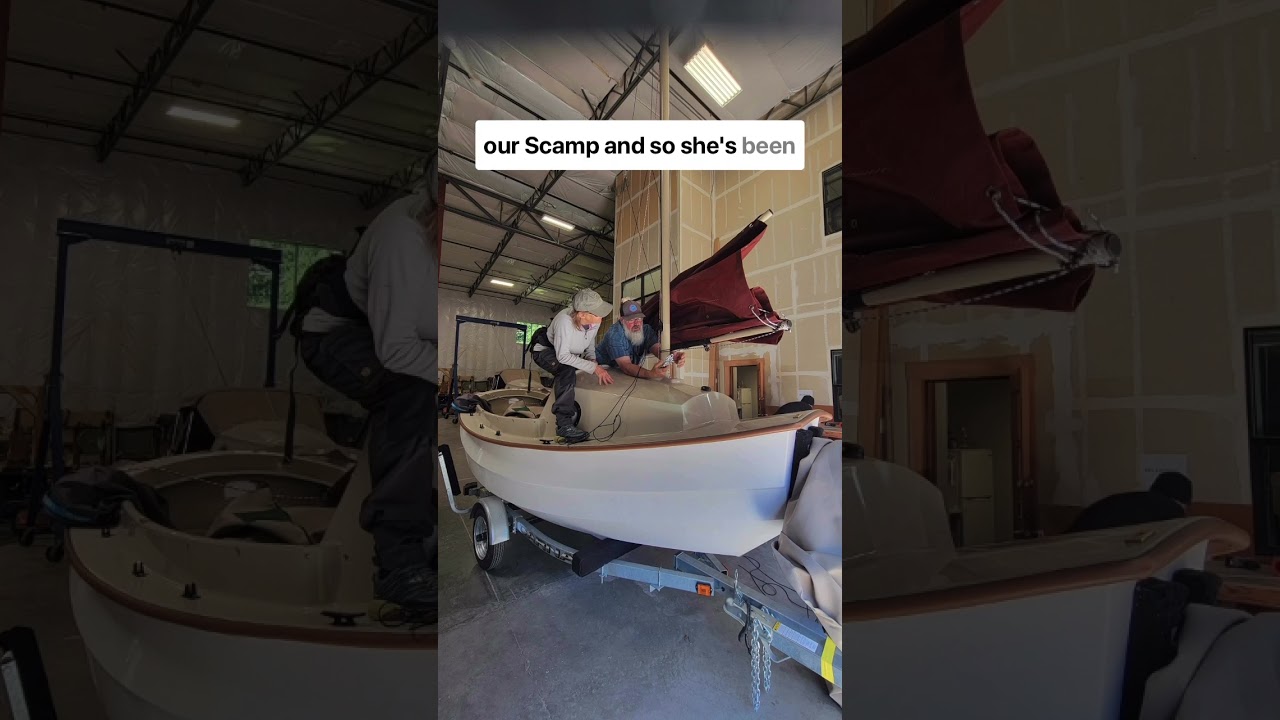
Meet Carol and Sally! They recently picked up their new Scamp and are going to be sharing their experiences learning to sail her, and then exploring waters in the desert southwest (Lake Powell, AZ is a big one they want to camp cruise). “I thought it would be wise for my body to not only build up strength, but to stretch and use some postures and slow movements I usually associate with yoga or tai chi,” said Carol. “Doing this might prevent injuries no matter your age.” In this case, showing is better than telling, so here’s a short video demonstrating Carol’s strength and mobility-building routine in preparation for sailing her new Scamp! Get to know them on their intro post on our blog, and follow along as they learn and sail in their new Scamp! https://ghboats.com/2025/07/launching-into-the-scamp-adventures-of-carol-and-sally/

0
0
0
1,322

Subscribe Sea TV Visual Pilot Videos | sailing channel At sea, to the wind we surrender. But when docking , we want to be fully in control. SeaTV produce visual pilot videos on the mooring and facilities around. These videos made by an in-depth study of sailing sites and marine literature. #sailingchannel #sailinglife #sailingvacation 🎥 Subscribe for New Videos Every Week! ▸ http://bit.ly/2UpmECk Fancy Zoom background Pictures? ▶️ https://bit.ly/33DmU88 These videos will make your Sailing Vacation much easier⛵️ ▸ Choose your Sailing area: https://seatv.world 👀 If you can’t find it, Sorry we’re working on it… 🎬 ▸ Got Tips/ Videos? Sharing is Caring: http://bit.ly/38ZO759 || V i s i t U s 👀 ▸ Email: info@seatv.world ▸ Website: https://seatv.world ▸ Instagram: https://www.instagram.com/seatv.world/channel/ ▸ Facebook: https://www.facebook.com/seatv.world/ || P L A Y L I S T S 🎼 ▸Pilot Marina: http://bit.ly/2OpwBPX ▸🧘🏼♀️Yoga for Sailors: http://bit.ly/2mmNEab ▸ Tips & Tricks: http://bit.ly/2GPYc8Q ▸ Events: http://bit.ly/2Uk5sBz We invite anyone who is passionate about the sea & sailing adventure to Subscribe, like our videos, comment & share. We believe in the power of community in providing the best and most valuable information and welcome your suggestions, comments, updates and advice 🙏🏽 ** This video is not sponsored Share Sea Love! and keep it clean…💜

0
0
0
7,408