Welcome aboard to the our video site for sailors. We are being constantly blasted by scammers and pirates, so registration is invite only
contact@sailorsahoy.com with "Invite". No spam, no newsletters. Just a free account
Celana pendek Membuat

In this short video we explain how to tie a bowline when you can’t see your hands. The bowline is one of the most commonly used knots in sailing or on sailboats. Many of us have learned the rabbit-hole-tree method, but I find that difficult to use when I can't see what I'm doing. With practice the method shown in this video can be done by feel, without the need to see your hands. To tie the bowline around an object using this method, simply pass the bitter end around the object before passing it back through the thumb loop (i.e. between steps 2 and 3) and pulling the knot over itself. Disclaimer: - This content is offered solely for your education and entertainment. - There are no warranties, expressed or implicit, about any content or its fitness for a particular purpose. - There are risks of injury, death, drunkenness, and financial hardship involved in sailing. - The skipper is always responsible for the safety of their vessel and crew. - Sailing Tips is not responsible or liable in any way for anything that happens on or anywhere near your boat or any boat that we are not in command of. #shorts #howto #tie #bowline #knot #behindback #cantseehands #sailing #howtosail #learntosail #sailingtips

0
0
0
5,591

#shorts LRC Onlinekurs hier: https://segelnag.com/shop/lrc-onlinekurs/ SHS Onlinekurs: https://segelnag.com/shop/shs-onlinekurs/ SSS 3.0 Onlinekurs hier: https://segelnag.com/shop/sss-onlinekurs/ Partnerprogramm von SegelnAG: https://segelnag.com/partner/ Blog: https://bootsfuehrerschein-blog.de/

0
0
0
1,190
0
0
0
0
2,409

0
0
0
26
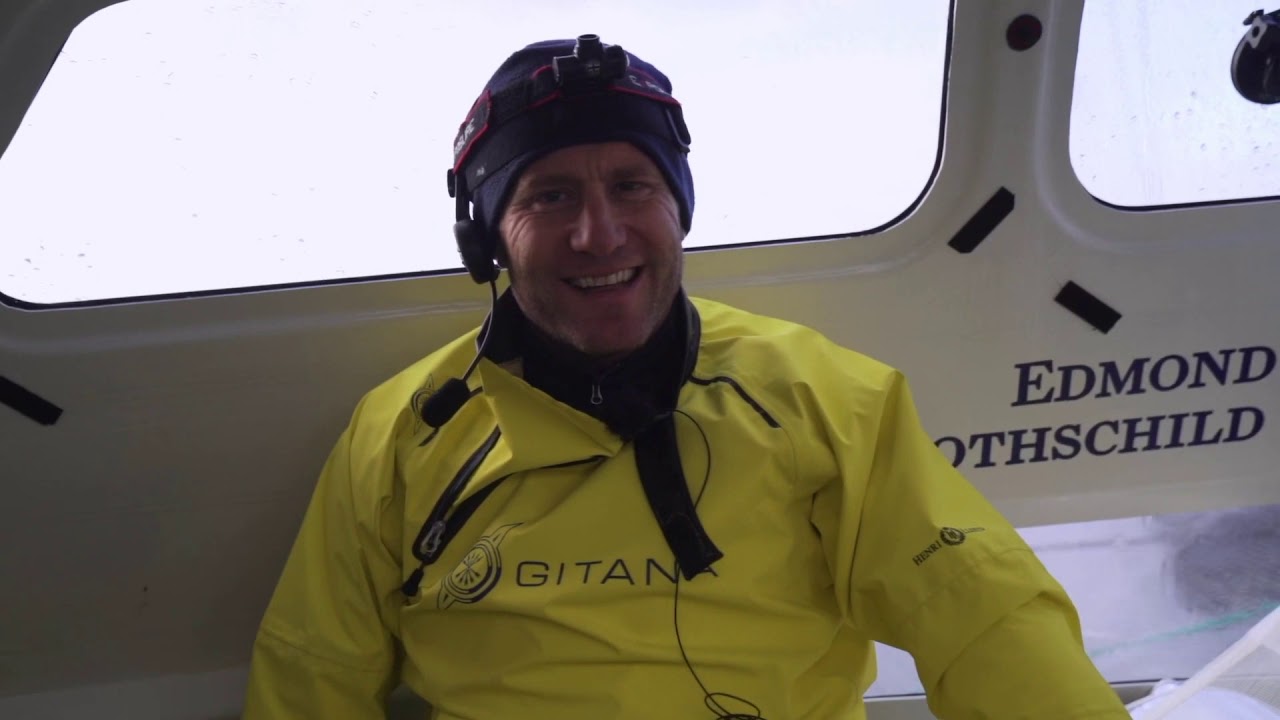
Face à un début de course agité, Charles Caudrelier nous livre ses premières impressions après le départ.
0
0
0
5,299

0

0
0
0
17,900