Welcome aboard to the our video site for sailors. We are being constantly blasted by scammers and pirates, so registration is invite only
contact@sailorsahoy.com with "Invite". No spam, no newsletters. Just a free account
短裤 创造

0
0
0
0
10,657

Marpol Annex I, concerning oil, entered into force on October 2, 1983. It regulates the discharge of oil and oily mixtures, including mandatory requirements for equipment to prevent oil spills.
0
0
0
1,217

0
0
0
3

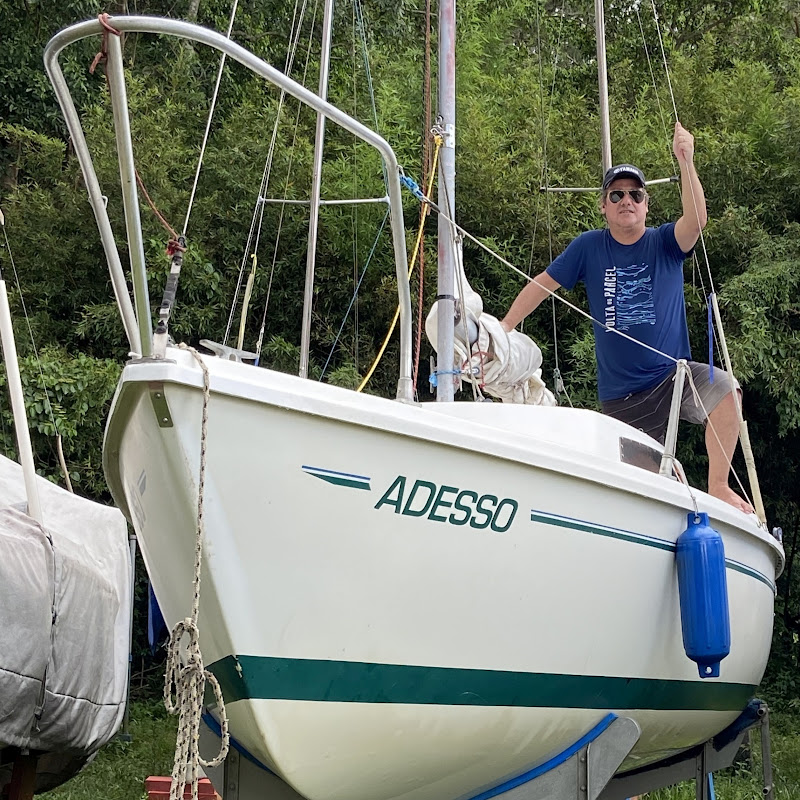
⚠️ ATENÇÃO: Para melhor experiência, assista este vídeo em resolução 4K ⚠️ ATENÇÃO: Este vídeo deve ser assistido em sequência pela PLAYLIST: 👉 https://www.youtube.com/playlist?list=PLGt243WbrOa41T7W-G335atM_6k_pXEBj REGATA DE ABERTURA 2026 Uma regata tradicional com a finalidade de abrir a Temporada de Vela da Represa de Guarapiranga, através de uma confraternização festiva, social e beneficente com todos os velejadores da FEVESP, clubes e marinas. A Regata de Abertura é um evento organizado pelo São Paulo Yacht Club e para os velejadores de todos os clubes de vela e marinas membros da FEVESP. ADESSO terminou em 3º Lugar na Regata 08 barcos da classe MARRECO participaram oficialmente desta regata Depois da Regata fomos para Clube SPYC para confraternização e premiação Vídeo Parte 001: Preparação antes da largada. Vídeo Parte 002: Largada. Vídeo Parte 003: Primeira perna da regata. Vídeo Parte 004: Próximo ao CCC. Vídeo Parte 005: Passando CCC. Vídeo Parte 006: Próximo ao Sailing Center Vídeo Parte 007: Montando boias 1 e 2 e subindo vela balão. Vídeo Parte 008: Segunda perna da regata. Vídeo Parte 009: Montando boia 3 e subindo vela balão novamente. Vídeo Parte 010: Montando boia 4 e linha de chegada. Mais sobre o evento em: 👉 https://www.spyc.com.br/regataabertura 👉 https://classemarreco.com.br/classe-marreco 👉 https://www.youtube.com/channel/UCjDvehg2P1NRKBgqxsMrzRw
0
0
0
45
0

0
0
0
10,435
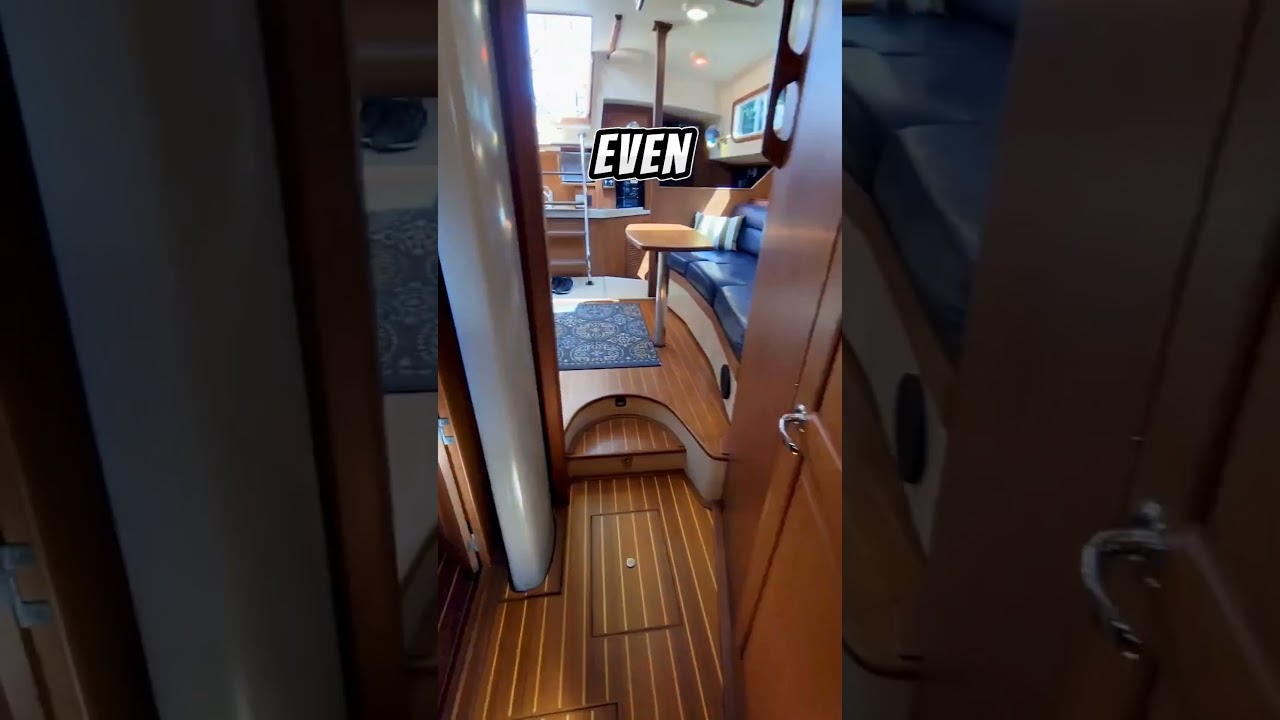
Enjoy part 2 of 2 of this #shorts tour of this 2003 Island Packet 485 To see more and/or want more information? Full long form tour here: https://youtu.be/_kG3ipgfFA8 Location: Fort Lauderdale, FL #sailboat #yacht #boattour #yachttour #trawler #trawlertour #cruising
0
0
0
199,618