Welcome aboard to the our video site for sailors. We are being constantly blasted by scammers and pirates, so registration is invite only
contact@sailorsahoy.com with "Invite". No spam, no newsletters. Just a free account
Shorts Lumikha

Competent Crew Course details: ➜ https://www.firstclasssailing.com/rya-courses/competent-crew In this clip from our RYA Competent Crew course, you can see how we unfurl the headsail. The headsail is the forward most sail, also called a genoa. In harbour, when not being used it is rolled up like a giant sausage around the ‘forestay’ which is a wire that helps to hold the mast up. Unfurling the headsail is where you unroll and open it up so you can use it to sail with. As part of the Competent Crew Course you will learn how to unfurl and furl the sail. ** About the RYA Competent Crew course in Southampton ** The RYA Competent Crew course is the perfect introduction for beginners who want to get into sailing and is specifically designed for those with little to no sailing experience. It is the ideal starting point. Even if you’ve only had a brief taste of sailing, whether in the UK or abroad, the Competent Crew course offers structured learning and a strong foundation in the basics of sailing. We run our courses from Southampton, and they take place in and around the Solent. With First Class Sailing you’ll gain hands-on experience, experience life on board, and all the enjoyment it brings. By the end of the 5 day course, you’ll have the skills and confidence to be a capable and reliable crew member. The course begins and ends in Southampton, with stops at scenic destinations around the Solent, giving you the chance to experience different sailing conditions and enjoy stunning coastal views. For more information visit our website on the link below. ** Links ** First Class Sailing ➜ https://www.firstclasssailing.com We offer RYA courses, mile-building trips, and sailing holidays for beginners, seasoned sailors, and everyone in between from our base in Southampton. We also offer shore-based sailing courses in London and Southampton. See more practical RYA sailing courses ➜ https://www.firstclasssailing.com/rya-practical-courses Our official RYA Sailing Courses let you learn and sail around the Solent to a different marina, harbour, or anchorage each night whilst sleeping onboard in cabins. From our Southampton HQ, we run the full range of RYA courses in and around the south coast. Sailing holidays ➜ https://www.firstclasssailing.com/sailing-holidays Our sailing holidays offer the perfect blend of adventure, relaxation, and exploration, allowing you to discover beautiful destinations while enjoying the freedom of the open water. ** Credits ** Voice: Duncan Wells Filming: Nick Watts Sailing holidays ➜ https://www.firstclasssailing.com/sailing-holidays Our sailing holidays offer the perfect blend of adventure, relaxation, and exploration, allowing you to discover beautiful destinations while enjoying the freedom of the open water. ** Credits ** Voice: Duncan Wells Filming: Nick Watts
0
0
0
67

0
0
0
0
1,143
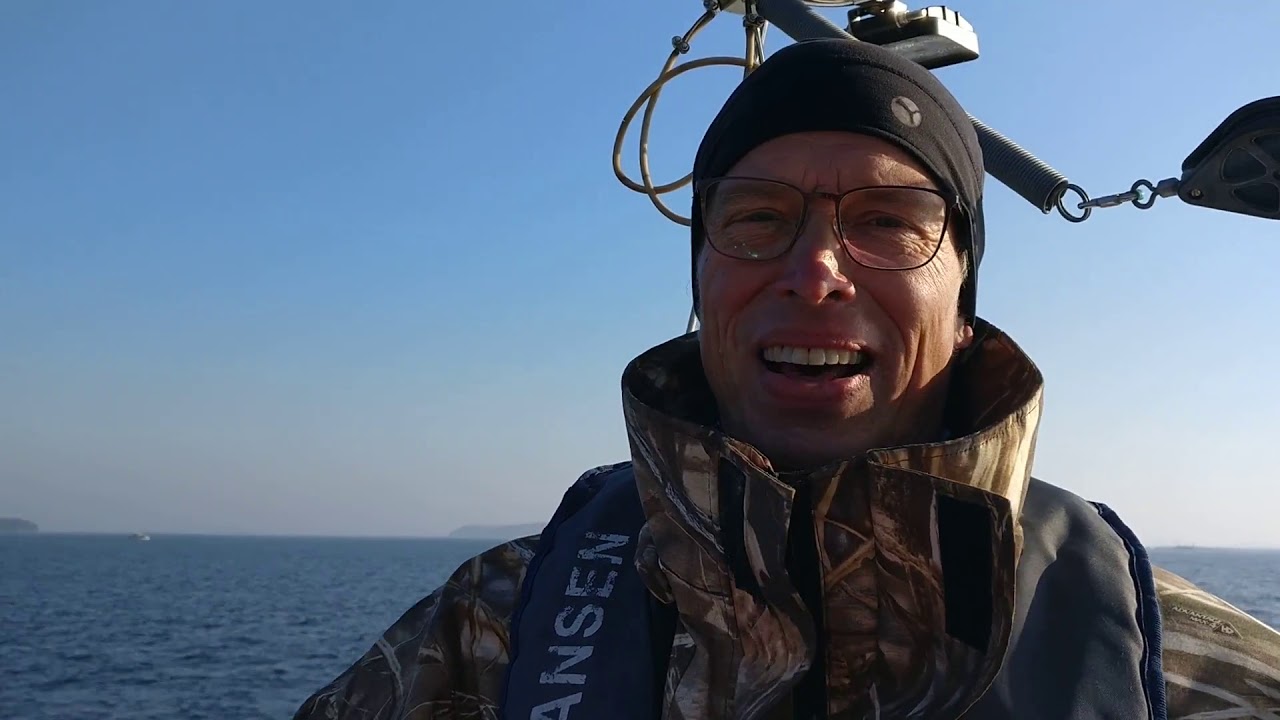
Nordstar 31 Patrol Fly https://www.scanboat.com/en/107485

0
0
0
483
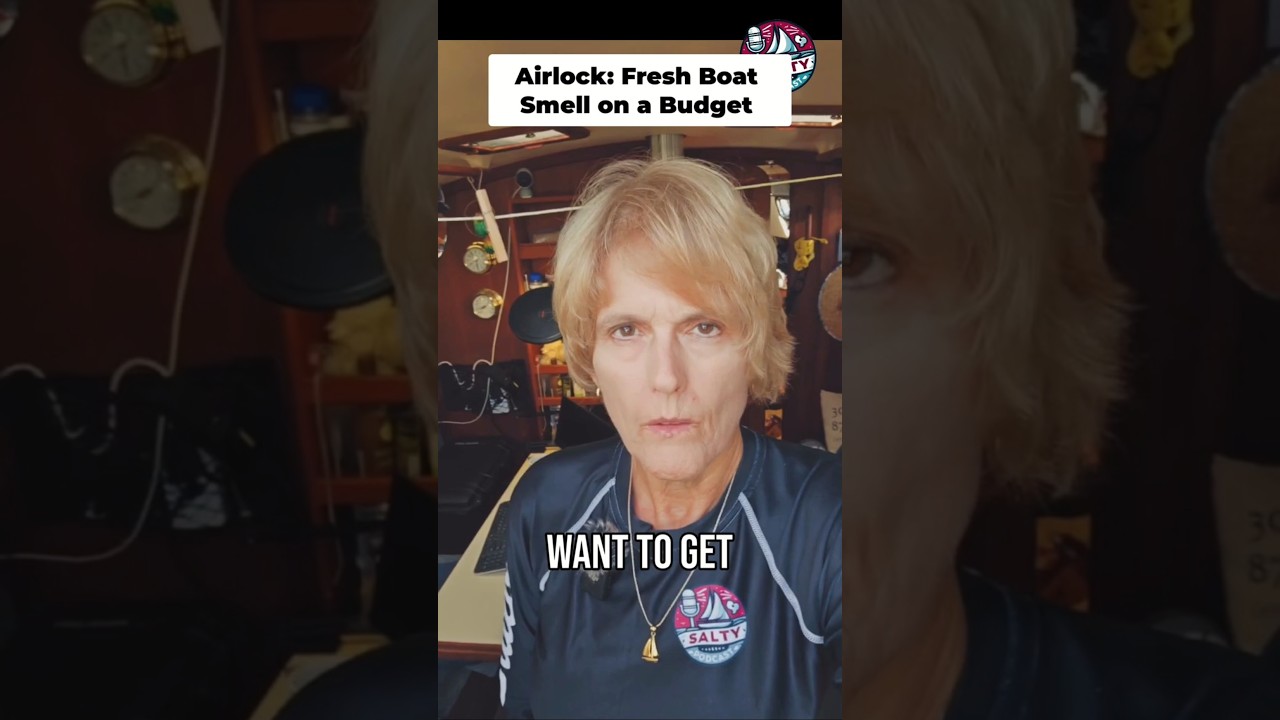
Get 10% off with code SALTY https://www.airlockusa.com/discount/SALTY Ever step on your boat and think… that smell has to go? I installed an AirLock on my AC intake and it knocked out the musty cabin smell fast. Let me know in the comments how it works for you. #saltyabandon #sailing #airlock #boatlife #sailboatlife #liveaboardlife #boatingtips @airlockusa

0
0
0
67

Última compra que hicimos en el velero.
0
0
0
166
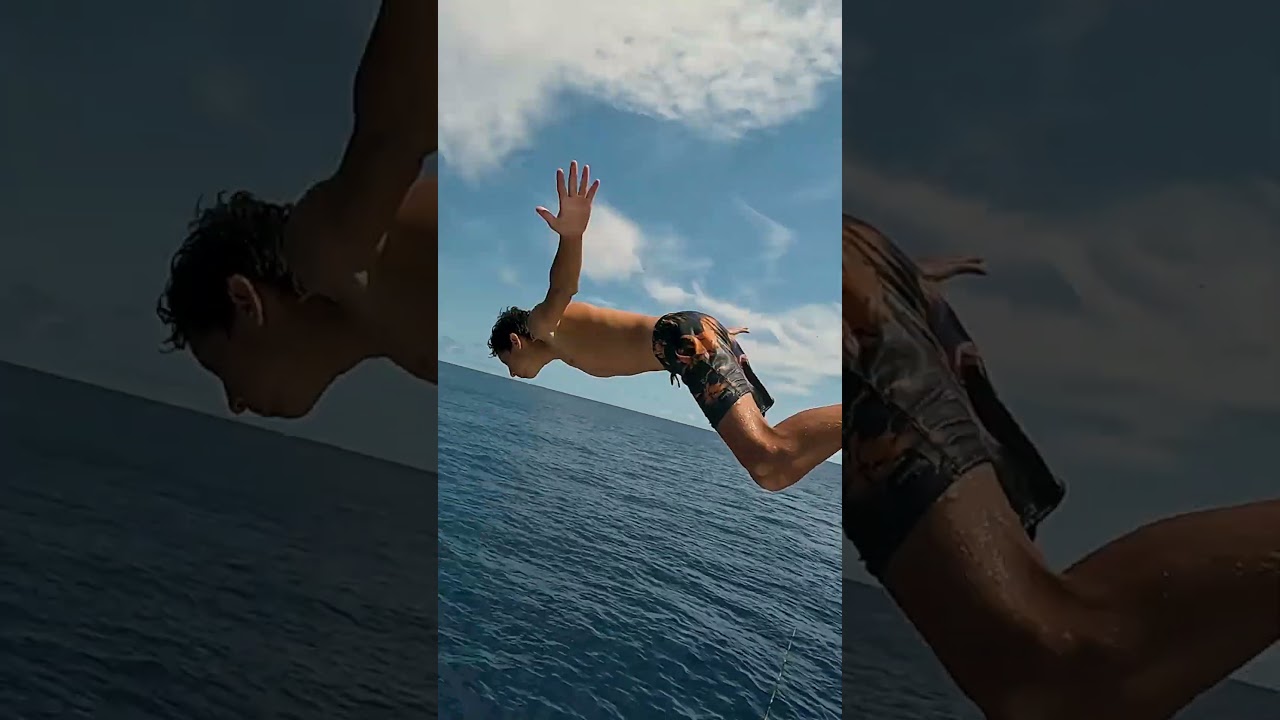
#outremer #outremer5x #boating #sailingboat #catamaran #sailing
0
0
0
895