Welcome aboard to the our video site for sailors. We are being constantly blasted by scammers and pirates, so registration is invite only
contact@sailorsahoy.com with "Invite". No spam, no newsletters. Just a free account
מִכְנָסַיִים קְצָרִים לִיצוֹר

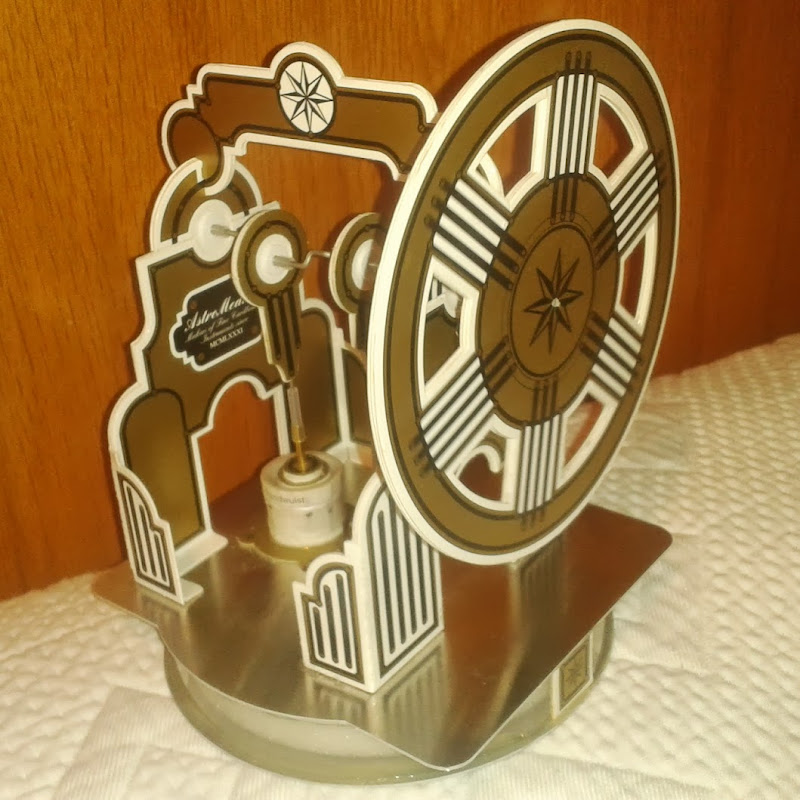
Made out of a bicicle pump! The idea is to use the one way valve that every bicicle pump has on its piston, to improve the performance of the gun, instead of using loose pistons as usually. I know the difference may not be crucial but it's for the sake of well-design. The piston is too heavy but seems to prove the theory. At only 75psi it shoots a 0,2g 6mm plastic bb through a steel (yes, steel. This is Europe) coke can. Filled with water it pierces the can and leaves a mark on the other wall. Air leak detected, soon to be fixed. UPDATE 20150719 Air leak was fixed with teflon tape. Cannon was intended to be tested to 10bar / 145psi. At 8bar / 116psi the back bursted off the main body, propelling it against a wall, with the cannon hitting at a great speed. Result is a bent cannon. Speed doesn't seem to have decreased but precision has been seriously affected. Plans for now are to test the energy at 75psi (like this teaser shows), then cut the cannon to the unbent part (which is about half the lenght), glue the back permanently and test energy again at 75psi to see the relationship between cannon lenglt and muzzle energy. Afterwards, with the back end fully glued, repeat tests at 116psi / 8bar and hopefully get the same energy as full-lenght-cannon @ 75psi. If not, test pressure until total burst, or the desired energy achieved. Advise is greatly appreciated. Thanks for watching! A FewFriendsFace production Likeyright FFF2015 All likes reserved
0
0
0
249

The Lagoon 38 at Boot Düsseldorf Discover the key strengths of this latest model. This catamaran combines many great features: generous space, fluid circulation between interior and exterior, and absolute comfort. #LagoonCatamarans #Lagoon38 #YourDreamDestination #BootDüsseldorf _______________________________________________________ CATAMARAN INNOVATORS SINCE 1984 Lagoon was formed in pursuit of connection – with ourselves, our loved ones and the world around us. By bringing the human experience to the 7 seas, we’ve been able to unleash an unbridled sense of curiosity and instinctual need for quality since 1984. Something we wouldn’t have accomplished without a collective passion for spectacular destinations and even better journeys getting there. As confirmed sailors, we all know that our boats have to be fast, comfortable and safe: seaworthy. We build them based on our love of the sea and the constant aim of good-quality work. We design them as if we were the future owners. As shipbuilders and sailors, it is part of our logic. Subscribe to Lagoon YouTube Channel : https: //www.youtube.com/channel/UCWVdVCBpjeIGtaJGgjyiT6g Website : https://www.catamarans-lagoon.com/ Facebook : https://www.facebook.com/lagooncatamarans/ Instagram : https://www.instagram.com/lagooncatamarans/ LinkedIn: https://www.linkedin.com/company/lagoon-catamarans/
0
0
0
20

0
0
0
0
39

starboard aft
0
0
0
10

Unser neues Album erscheint am 02.02.24 und könnt es hier bestellen http://tinyurl.com/26z4nzhq

0
0
0
194

Multi hull boat - Både sælges, Dragonfly 28 Touring, 2023 DKK 1.825.000 Scanboat https://www.scanboat.com/en/boat-market/boats/multi-hull-boat-dragonfly-28-touring-17483992

0
0
0
1,841