Welcome aboard to the our video site for sailors. We are being constantly blasted by scammers and pirates, so registration is invite only
contact@sailorsahoy.com with "Invite". No spam, no newsletters. Just a free account
شارٹس بنانا

Plongée du 19 août 2018 au Banc de l'Iris. Première de la saison après le passage des alizés. Avant d'arriver sur site : une baleine et son baleineau Puis après 30 minutes d'immersion sans rien voir... un premier banc de requins marteaux, suivi d'un second puis d'une troisième. --------------------------------------------------------------------- Musique proposée par La Musique Libre Sappheiros - Smile : https://youtu.be/MazeGiWQ1vw Sappheiros : https://soundcloud.com/sappheirosmusic ---------------------------------------------------------------------

0
0
0
1,123

Aurea 30' Cabin – Power Catamaran Made in Italy Aurea Yachts - 30 Cabin Follow us: Contact: mail@aureayachts.com web: https://www.aureayachts.com/ Facebook: https://www.facebook.com/AureaYachts Instagram: https://www.instagram.com/aurea_yachts/ Youtube: https://www.youtube.com/channel/UCkND2oJP_l2Qx4UHefZHqnQ Aurea Yachts è il primo costruttore italiano specializzato nella costruzione di catamarani a motore di lusso. Cura di ogni singolo dettaglio, qualità nella costruzione e selezione attenta dei componenti, rendono le nostre imbarcazioni la migliore alternativa alle comuni monocarena. Più Stile, più Spazio, più Stabilità e più Sicurezza. Aurea Yachts Ltd. luxury power catamarans, made in Italy. Aurea Yachts srl catamarani a motore di lusso. Made in Italy 30’ Cabin Dream Daycruiser AUREA 30 CABIN È LA SCELTA IDEALE PER UN DAYCRUISER, IN GRADO DI FARTI TRASCORRERE UNA GIORNATA IN MARE SENZA RINUNCIARE AL COMFORT. LUSSO E STILE SI AMALGAMANO IN EQUILIBRIO, PER GODERE DI OGNI DETTAGLIO. UN LETTO MATRIMONIALE COMODO, UN BAGNO MOLTO AMPIO, VARI SPAZI PER GODERE DEL MARE, CON UN CONFORT AI VERTICI DELLA CATEGORIA. INFINITE PERSONALIZZAZIONI DA SCEGLIERE PER RENDERE LA TUA AUREA 30 CABIN IDEALE PER ESALTARE L'ESCLUSIVITÀ DELLA TUA CROCIERA. LUNGHEZZA FUORI TUTTO 9,16 M LUNGHEZZA DI COSTRUZIONE 9,16 M (NATANTE) LARGHEZZA F.T.3,00 M PESCAGGIO 0,6 M CATEGORIA DI CERTIFICAZIONE CE – B PORTATA PERSONE 13 B POSTI LETTO 2 / 4 PESO SENZA I MOTORI *3.9 t SERBATOI CARBURANTE 680 L (2 x 340 l) SERBATOI ACQUA DOLCE 160 L (2 x 80 l) motori MerCruiser benzina 4.5 V6 – 2× 250 hp (Vmax 40 nodi) MerCruiser benzina 6.2 V8 – 2× 350 hp (Vmax 48 nodi) MerCruiser diesel 3.0 V6 – 2× 270 hp (Vmax 43 nodi) mercury verado F350 V8 – 2× 350 hp (Vmax 52 nodi) mercury verado F250 V6 – 2× 250 hp (Vmax 41 nodi) MATERIALE DI COSTRUZIONE compositi in INFUSIONE SOTTOVUOTO DI RESINA VINILESTERE CARENA CATAMARANO ASIMMETRICO DESIGN: ING. DANIELE RIZZO SCAFO: MUSCA MARINE DESIGN #2024 #Aureayachts #Aurea #luxury #luxurylife #powercatamaran #powercatamarans #yacht #catamaran #catamarano #madeinitaly #yachtdesign #nautica #boat #boats #boating #outboard #Mercury #Mercruiser #Summer #danielerizzodesign #danielerizzo

0
0
0
864

The pleasure of a sailing tour in Morro Jable, Fuerteventura. Sailing along the coast of Jandia, meeting dolphins and whales. www.magicandsailing.com #morrojable #delfines #sailing #sailingboat #sailingadventures #freedom #costacalma #jandia #kanarischeinseln #canaryislands #gulet #segeln #adventure

0
0
0
1,810
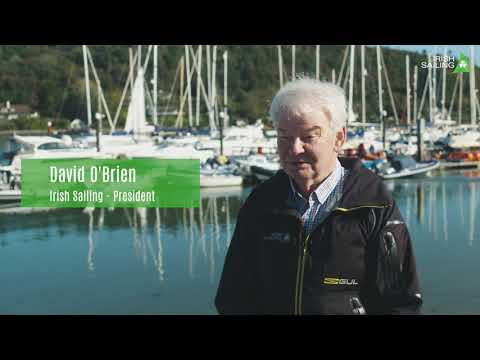
"The 2020-2025 plan aims to set out a future for our sport, so that as many people as possible have the opportunity to safely participate at any level - whether competitively or for leisure." Irish Sailing President, David O'Brien . #strategy2020 #activeonthewater
0
0
0
89

0
0
0
0
245

Watch the full video on our YouTube Channel. #boating #sailing #terminology #short

0
0
0
1,600