Welcome aboard to the our video site for sailors. We are being constantly blasted by scammers and pirates, so registration is invite only
contact@sailorsahoy.com with "Invite". No spam, no newsletters. Just a free account
Shorts Créer

The Maxi 95 was designed to accommodate a family safely and comfortably and also to sail well, the design realised all three goals. Production started in 1972 and continued into the 1980s with incremental improvements occurring each year. Manufacturing was based on the west coast of Sweden and around Lake Vnern which lies 100 km north east from the city of Gothenburg (additional descriptions can be found in our translation of the original Owners Manual). As fibreglass was a new material for boat construction, the moldings were made much thicker (and stronger) than todays productions. Osmosis is rather unknown to most yachts from that era when extra catalyst was added for extra strength. This means that the 20 year old Maxi boats are still structurally strong and ready to continue. Engines and other accessories may wear out and need replacement but the hulls continue to serve well.
0
0
0
6,248

0
0
0
0
1,082

I will need to do a longer more in depth boat tour for YouTube.
0
0
0
429

Live aboard, August 2019 For more details and to contact me check my blog: https://nexraimundo.wixsite.com/mylifeinaseashell 🐚💦🐙🐳🦑🐟🦀🐠🐡🦈🌊

0
0
0
103
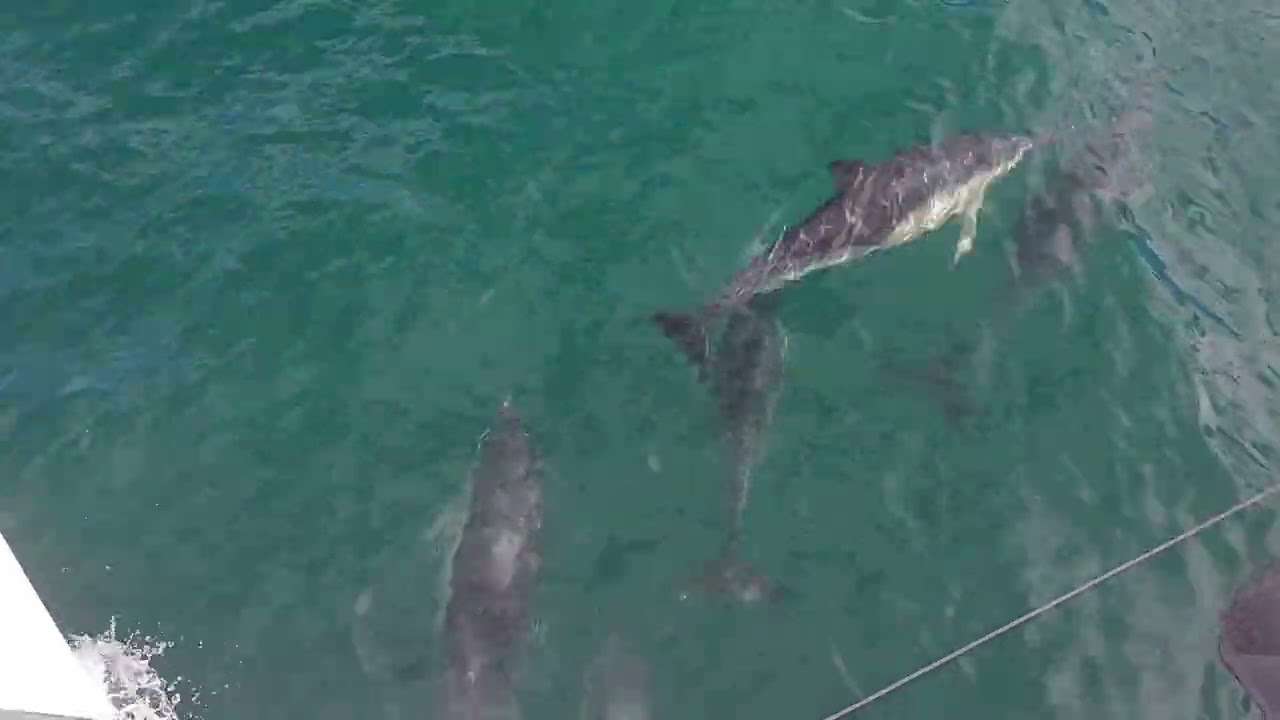
When we were sailing towards The Berlenga Archipelago, in between Porto and Lisbon at the westcoast of Portugal, all of a sudden some grey fins came our way: dolphins! It was a joyful bunch, swimming under each other and past each other, jumping in front of the boat. It’s so great to see these animals, it’s always a welcome surprise!
0
0
0
283

0
0
0
0
1,000