Welcome aboard to the our video site for sailors. We are being constantly blasted by scammers and pirates, so registration is invite only
contact@sailorsahoy.com with "Invite". No spam, no newsletters. Just a free account
निकर सृजन करना

🇬🇧 Let’s keep the holidays going a little longer with this beautiful turquoise sea stretching as far as the eye can see. And we LOVE it! Thanks to @catamarangurus for this paradise-like stopover in the Bahamas aboard the BALI 5.8. _______ 🇫🇷 On prolonge un peu les vacances avec cette belle mer turquoise à perte de vue. Et on ADORE ! Merci à @catamarangurus pour cette escale paradisiaque aux Bahamas à bord du BALI 5.8 _______ #bali58 #balicatamarans #libertéenmer #baliexperience #catamaranlife #vuepleinbleu #momentjuste #escaleparfaite

0
0
0
114

0

0
0
0
343

0

0
0
0
47

Смотрите полный выпуск https://youtu.be/MyzHzhSKkGQ Подпишись на канал. https://www.youtube.com/c/sailingOlle?sub_confirmation=1 Давайте вместе учить иностранные языки Italki дарит вам $5 для изучения языка https://www.italki.com/i/ref/dceb0a?hl=ru&utm_source=more_share&utm_medium=user_referral 1. Первый сезон подготовка яхта к сезону. Ремонты и исследование Майорки. https://youtube.com/playlist?list=PLnZ1uq4fVVLqh1AZmxdknXORtnJ-qUMyI 2. Второй сезон путешествие по Балеарским островам на яхте с детьми. https://youtube.com/playlist?list=PLnZ1uq4fVVLqUWhdpogGqsxDosO4T-Yuc 3. Зимовка в Альмиремаре короткие видео. https://youtube.com/playlist?list=PLnZ1uq4fVVLojT0rgNG1iKE3DdQkupUhh 4. Идем на Балеарские острова снова. Короткие видео. https://youtube.com/playlist?list=PLnZ1uq4fVVLrMgSKTczMX8Eadh9XT06UH В режиме реального времени за нами можно следить в инстаграм https://www.instagram.com/turbo.nata/ https://t.me/sailingOlle

0
0
0
446
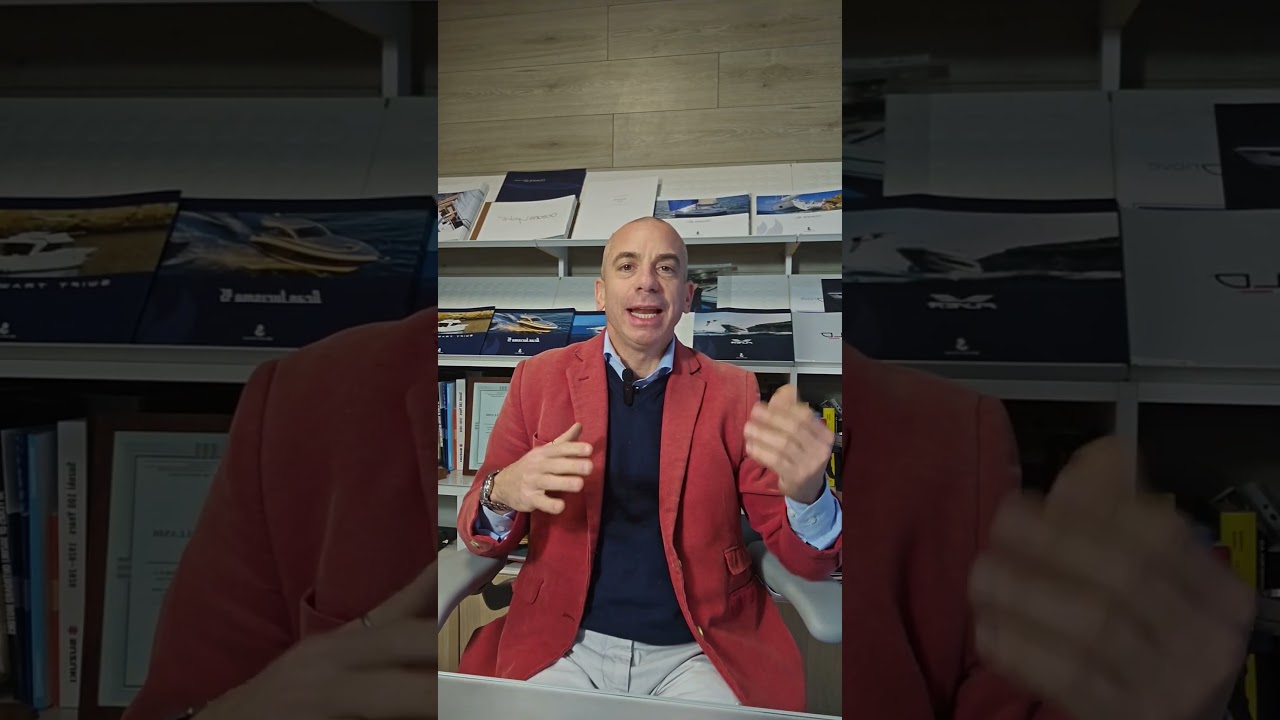
aliscafo: (s.m.) hydrofoil Imbarcazione a motore che naviga planando su "ali" poste ai lati dello scafo raggiungendo altissime velocità (anche oltre 40 nodi). abbrivio: (s.m.) [A]. (Andature) fresh way Velocità che prende una imbarcazione dovuta alla sua propulsione o ad altri fattori esterni, quali il vento o la corrente. L' abbrivio "residuo" e' la velocità che rimane dopo la cessazione della propulsione. [B]. a. in avanti (Andature) headway [C]. a. indietro (Andature) sternway [D]. a. per azione del timone (Andature) steerageway [E]. avere a. (Andature) to have fresh way [F]. perdere a. (Andature) to lose way [G]. prendere a. (Andature) to gather fresh way Benvenuti su 'Parole di Bordo', la nuova serie di video shorts di Barche Bellandi dove la nautica si fa semplice! 🌊⚓ Ogni episodio è un tuffo nel mondo dei termini nautici, spiegati in modo chiaro e accessibile a tutti. Che tu sia un veterano del mare o un novizio, queste pillole di sapere nautico arricchiranno la tua esperienza in barca. Dalla 'prua' alla 'poppa', dai 'nodi' ai 'gommoni', scopri il significato dietro ogni termine con brevi video ricchi di informazioni e curiosità. Iscriviti e naviga con noi nel linguaggio del mare! #ParoleDiBordo #NauticaPerTutti #BarcheBellandi #Nauticainpillole #ParoleDiBordo #NauticaPerTutti #TerminiNauti ci #VocabolarioNa utico #BarcheBellandi #Yachting #Sailing #BoatingTips #MarineVocabulary #LearnBoating 📌 Vienimi a trovare presso il cantiere BARCHE BELLANDI a Via Vò s/n 25015 Desenzano del Garda (BS) o chiamaci allo +39 030 912 03 64 🛥 Sei un appassionato del mondo della nautica? Vieni a dare un'occhiata al mio blog http://www.barchemania.com Il canale YouTube di Barche Bellandi è l'unico in Italia che ti permette di essere sempre aggiornato su: ✔ Test in acqua imbarcazioni nuove. ✔ Test in acqua imbarcazioni usate. ✔ Presentazione in anteprima di imbarcazioni ai saloni nautici. ✔ Tutorial pratici su imbarcazioni ed accessori. ✔ Tutorial tecnici su imbarcazioni e motori. ✔ Riflessioni sul mondo della nautica da diporto. Mi trovi anche su: Facebook https://www.facebook.com/barchebellandi Blog http://www.barchemania.com Rimani in contatto con me iscrivendoti al canale Barche Bellandi https://www.youtube.com/NauticaBellandi 📝 Se hai dubbi o domande inerenti al video lascia un commento, ti risponderò al più presto! Buon vento Oscar Bellandi

0
0
0
537

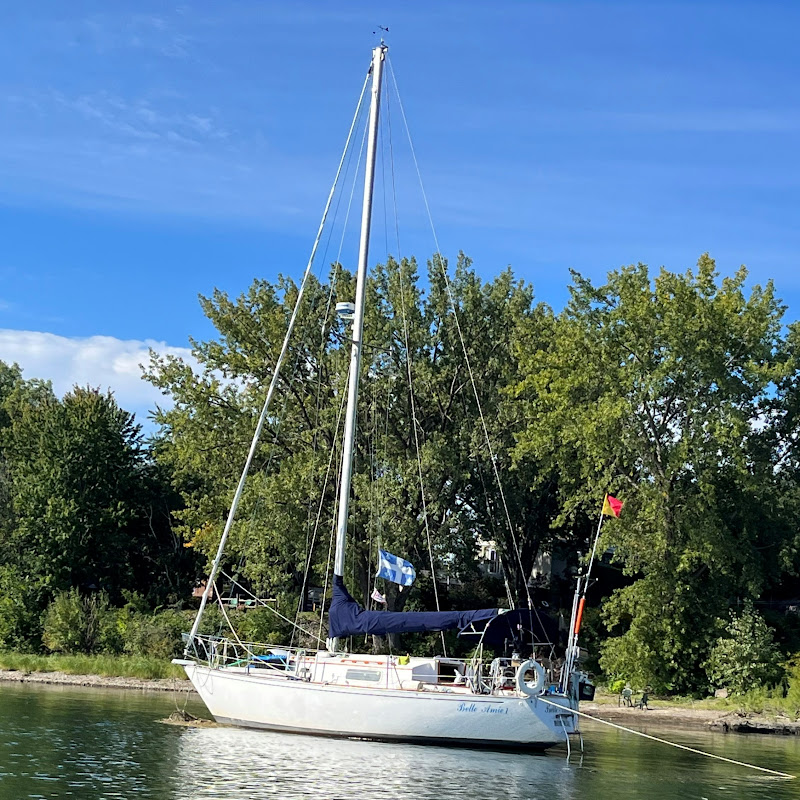
"Rejoignez-nous sur VoilierBelleAmie1 alors que nous explorons le niveau de l'eau du printemps 2023 sur le fleuve Saint-Laurent ! Découvrez les débris emportés par le courant et constatez la légère baisse du niveau d'eau. Préparez-vous à naviguer avec nous dans un mois ! #VoilierBelleAmie1 #FleuveSaintLaurent #Printemps2023 #NiveauDeLeau" voici les lien pour m encourager et me suivre boutique-amusante-et-confortable.com lescaninsbranche.com gpsmicrotech.com je livre presque partout , taxes et livraison inclus pour m encourager Gofundme = https://gofund.me/be290941 Lien paypal = https://paypal.me/VoilierBelleAmie1?c... Pour me suivre sur facebook = https://www.facebook.com/voilierbelle... https://www.instagram.com/voilierbell...
0
0
0
44