Welcome aboard to the our video site for sailors. We are being constantly blasted by scammers and pirates, so registration is invite only
contact@sailorsahoy.com with "Invite". No spam, no newsletters. Just a free account
Korte broek Opprett

Some Thanksgiving! Thanks for the kind words about your experiences, Fellas! #customsnowboard #snowboarding #alpinelifestyle #mountainlife #shred #snowboardreview #madeincanada #kindredsnow #snowday #woodsnowboard #craftgear

0
0
0
71
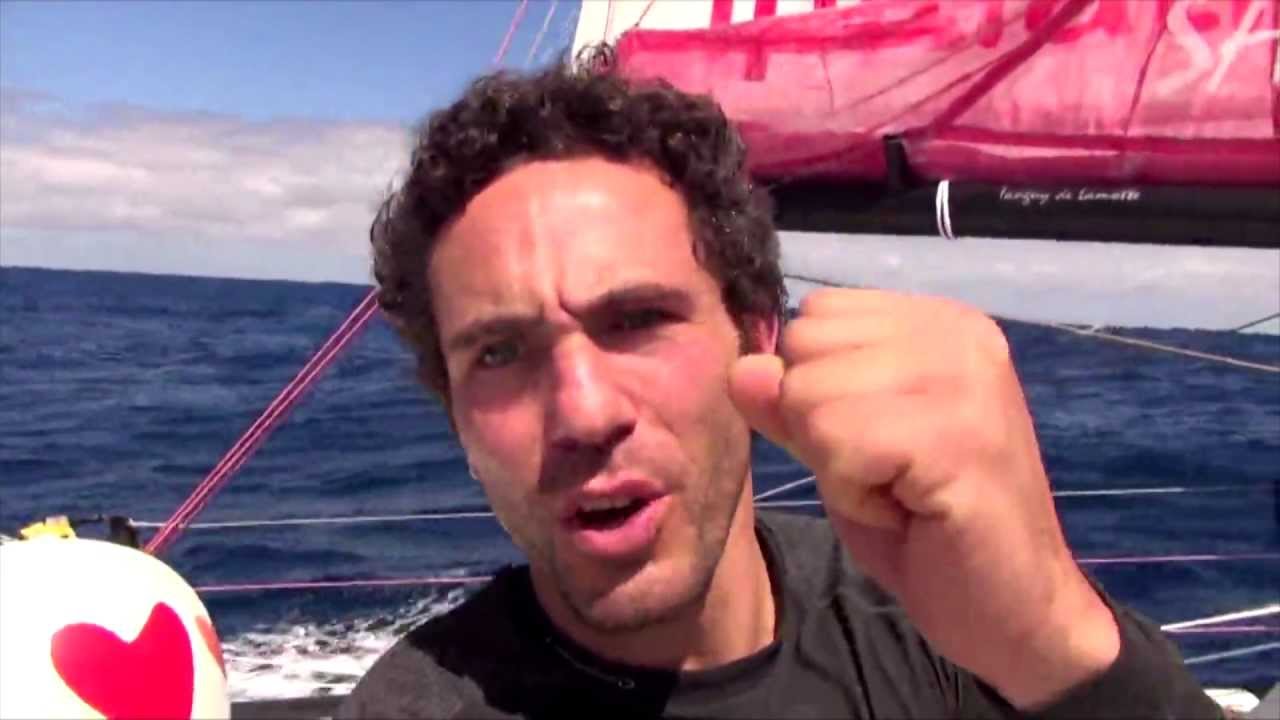
Tanguy de Lamotte a adressé un message de soutien à Alessandro Di Benedetto qui vit des heures difficiles en ce moment (côte fracturée). Une attention qui ne manquera pas de toucher le skipper de Team Plastique.

0
0
0
221

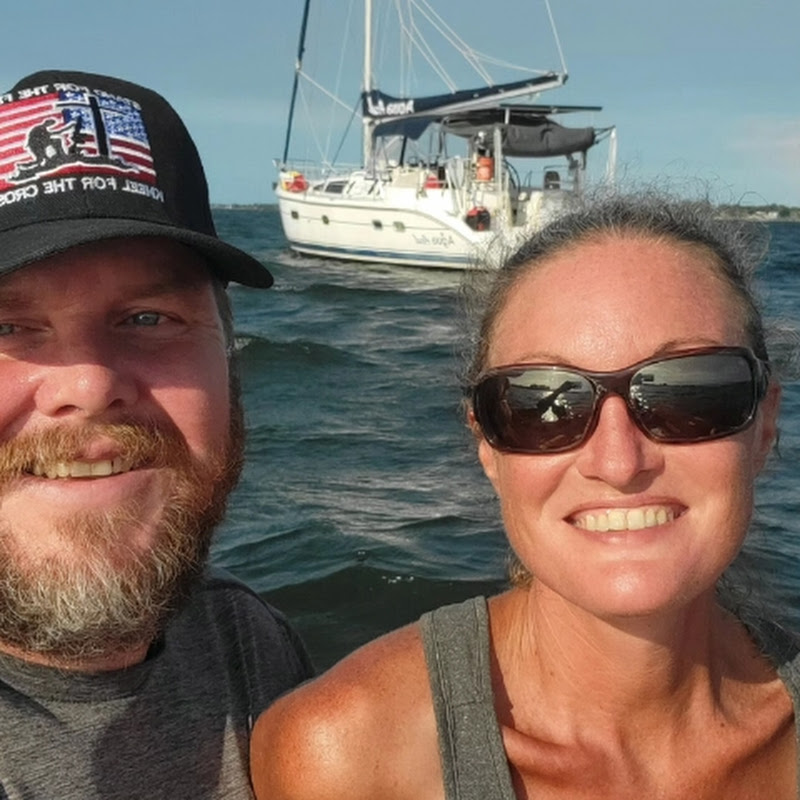
The porch light is officially a memory and the lawn mower is someone else’s problem now. We traded the deafening silence of a big, empty house for a salt breeze and a view that actually matters. The kids are grown, the nest is empty, and my babe finally found her "happy hour" headquarters between the palms and the trees. We aren't just retiring; we're escaping. If you’re tired of the "too quiet" house and ready to find your own flight, welcome to the ride. It’s a little bit of salt, a whole lot of freedom, and absolutely zero regrets. Living for the breeze, not the grass. #EmptyNest #SailingLife #CoastalLiving #Freedom #NewChapter #Cheers
0
0
0
7

0
0
0
0
25

Flashback to working the barges in Airlie. Captain Charlie at work with dad 💕 #captaincharlie #teachthemyoung #sailingkid #sailingdaily #sailawaywithme #sailinglife #sailingfamily #bargework #master #mastersseat

0
0
0
658

0
0
0
1,367