Welcome aboard to the our video site for sailors. We are being constantly blasted by scammers and pirates, so registration is invite only
contact@sailorsahoy.com with "Invite". No spam, no newsletters. Just a free account
Korte broek Opprett

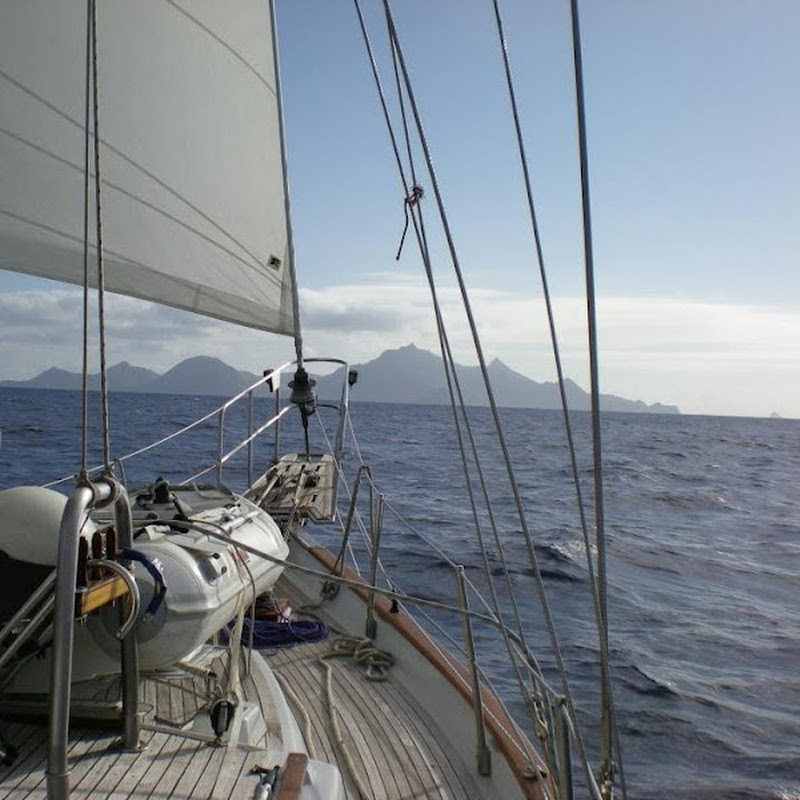
Our last two weeks in The Bahamas 🙁. Today, we sail from Spanish Wells to The Berry Islands where we plan to spend the next week or so before making our way to Andros and Morgans Bluff. It was an awesome day of sailing. We got pinched off in the morning and needed to motor sail but then the winds strengthened and shifted more north. What a great day.

0
0
0
425

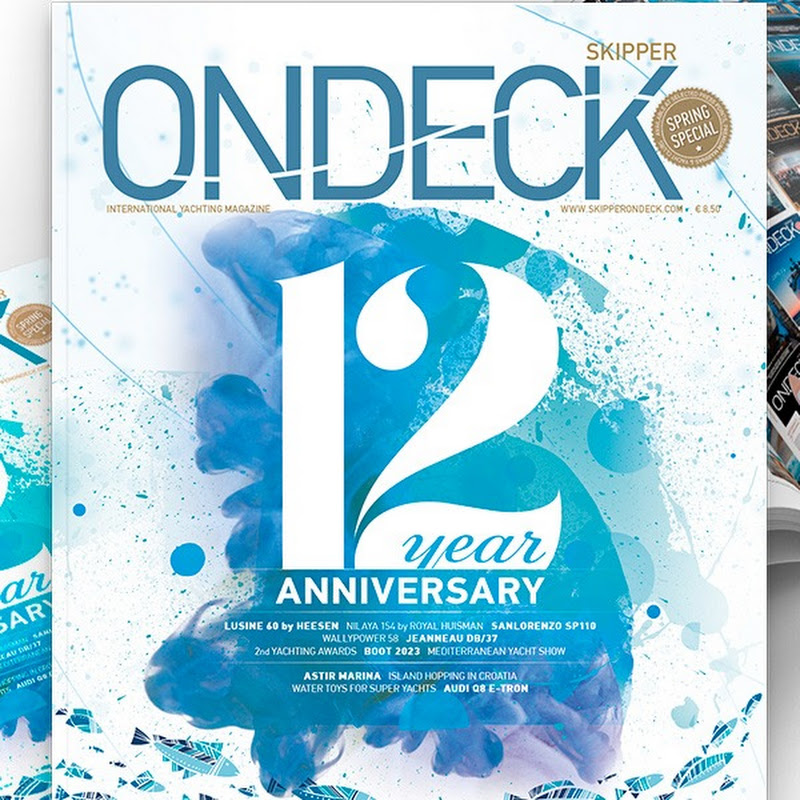
Το Women in Yachting Conference σχεδιάστηκε από την ONDECK Events με στόχο να γίνει ένα δυναμικό βήμα διαλόγου, έμπνευσης και συνεργασιών. Η διοργάνωση τόνισε ότι η ισότητα δεν αποτελεί μόνο ηθική επιταγή, αλλά και στρατηγικό πλεονέκτημα για τις επιχειρήσεις του σήμερα. Αναδείχθηκε η ανάγκη για: πολιτικές που στηρίζουν τη γυναικεία επιχειρηματικότητα, ευκαιρίες κατάρτισης και mentoring, εργασιακά περιβάλλοντα που προάγουν τη συμπερίληψη, δίκαιη εκπροσώπηση σε ηγετικές θέσεις, ενίσχυση της ορατότητας νέων γυναικείων προτύπων. Οι συζητήσεις των πάνελ, από τις πρωτοπόρες που άνοιξαν δρόμους σε έναν απαιτητικό χώρο, μέχρι τις νέες επαγγελματίες της τεχνολογίας, του σχεδιασμού και της βιωσιμότητας, ανέδειξαν τον καταλυτικό ρόλο των γυναικών στο μέλλον του κλάδου. Ένα συνέδριο που ανοίγει νέους ορίζοντες Η ONDECK Events δεσμεύεται να συνεχίσει και να επεκτείνει τον θεσμό, θέτοντας τις βάσεις για ακόμη πιο στοχευμένες δράσεις τα επόμενα χρόνια. Το Women in Yachting δεν ήταν απλώς μια ημερίδα· ήταν μια εμπειρία που άγγιξε καρδιές, ενεργοποίησε συνειδήσεις και άνοιξε νέους ορίζοντες για το μέλλον του κλάδου. Οι συμμετέχοντες συμφώνησαν ότι η ενίσχυση της γυναικείας παρουσίας στο yachting δεν είναι μόνο αναγκαία, αλλά αποτελεί παράγοντα ανάπτυξης, που εμπλουτίζει όλη τη βιομηχανία με νέες δεξιότητες, οπτικές και συνέργειες. 📌 Αν αγαπάτε τη θάλασσα, την καινοτομία, τις επιχειρήσεις αυτή η σειρά είναι για εσάς. 📲 Ακολουθήστε μας: 🔵 Facebook: www.facebook.com/SkipperONDECK/ 📸 Instagram: www.instagram.com/ondeck_mag/ 📲 Ακολουθήστε μας και στο TikTok για behind-the-scenes, highlights και mini-interviews: 👉 www.tiktok.com/@skipper.ondeck
0
0
0
0

50 Cent encourages fans to purchase Frigo underwear Latest News 50 Cent encourages fans to purchase Frigo underwear Don't forget to subscribe our channel : https://www.youtube.com/channel/UCMeXexsaNlmbtjqC-dBTn9g?sub_confirmation=1 Facebook Link : https://www.facebook.com/King-News-Tv-1604243356545545/ Website Link : Kingnewstv.blogspot.com Google+ Link : https://plus.google.com/u/0/b/117447491043208284673/117447491043208284673

0
0
0
46

0

0
0
0
381

0
0
0
0
199

MIENTRAS NAVEGAMOS POR EL ATLANTICO SE NOS OCURREN MUCHAS TONTERIAS
0
0
0
228