Welcome aboard to the our video site for sailors. We are being constantly blasted by scammers and pirates, so registration is invite only
contact@sailorsahoy.com with "Invite". No spam, no newsletters. Just a free account
Shorts skab

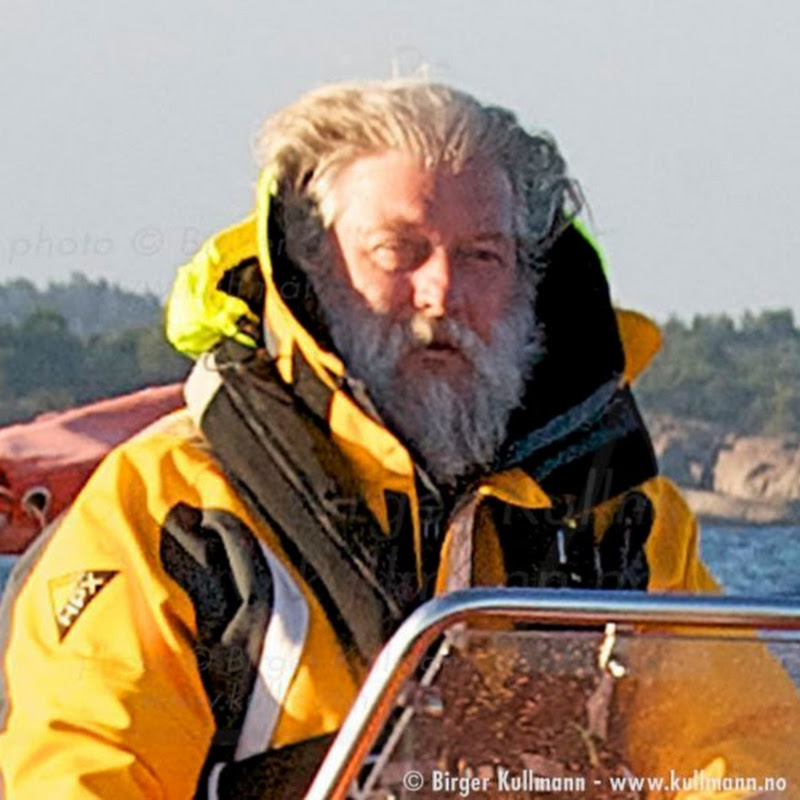
@K12-SAR @Kullmann @SSRS A 12m LOA and 45 knot, 3-4 crew, Search and Rescue vessel for Sjöreddningen (www.ssrs.se). First in a series of 9, 12 and15m designs. Built by Swedeship/Ø-Varvet in Sweden. An all out carbonfibre sandwich construction with DIAB high density core. Propulsion twin Volvo Penta D6 and Kongsberg Kamewa waterjets. Fully enclosed wheelhouse with 2+1(+1) arrangement and Ullman seats. Launched may 2024. This is boat number 01 in the series. Concept design, General Arrangement, and Lines by Birger Kullmann Design Naval Architects (www.kullmann.no). The first vessel with our markV hull design.
0
0
0
1,151

Conhecendo o veleiro dia 01 da nova vida...
0
0
0
266

0
0
0
0
458

✨#HotShots at Antigua Sailing Week. Reggae In The Park Antigua Race Day 3 with a couple of 😱😅 moments. Watch till the end... #ASW52 #CloseCall
0
0
0
641

Обзор яхты Azimut 86S — Элитный отдых на Эгейском побережье Турции Azimut 86S — это идеальное сочетание скорости, стиля и комфорта. Просторная моторная яхта для тех, кто ценит уровень. 🔹 Характеристики яхты: • Длина — 26,5 м • Ширина — 6 м • 4 каюты (до 8 гостей) • Экипаж — 4 человека • Год постройки — 2024 • Минимальная аренда — от 4 ночей • Регион — Гёджек, Фетхие (Эгейское побережье Турции) Яхта идеально подойдёт для приватных путешествий, семейного отдыха или компании друзей. На борту — изысканный интерьер, комфортные зоны отдыха, профессиональный экипаж и атмосфера настоящей морской роскоши. 📍 За бронированием и информацией о свободных датах обращайтесь в Brilions — отдел заботы о клиентах. Official website: https://brilions.com E-mail: info@brilions.com WhatsApp and the phone number for any question +7 958 111 9529 Instagram: https://www.instagram.com/brilions/ Facebook: https://www.facebook.com/brilions.yacht VK: https://vk.com/brilions.yacht You can check feedbacks about us here: Yandex - https://yandex.ru/profile/67155125910 Google.Business - https://goo.gl/maps/ZVpKmbRVfozdVxTT7 TripAdvisor - https://www.tripadvisor.ru/Attraction_Review-g297962-d20325971-Reviews-Brilions-Antalya_Turkish_Mediterranean_Coast.html #арендаяхты #яхтаоаэ #yachtrental #дубай #яхтингвдубае #yachts #арендаяхттурция #турция #яхтапарус #яхтинг #роскошныйотдых #свобода #отдыхнаморе #яхта #путешествия #экскурсии #турция #арендаяхты

0
0
0
1,559

0
0
0
281