Welcome aboard to the our video site for sailors. We are being constantly blasted by scammers and pirates, so registration is invite only
contact@sailorsahoy.com with "Invite". No spam, no newsletters. Just a free account
Şort oluşturmak

I really wanted to love this Bajang (also known as Zongzi). It’s a masterpiece of culinary engineering: sticky rice, savory fillings, and that iconic pyramidal shape, all bound by the ancient technology of the banana leaf. This dish dates back over 2,000 years to the Zhou Dynasty. Legend says it was born as a ritual offering to honor the poet Qu Yuan, thrown into rivers to prevent fish from eating his body. It’s a symbol of loyalty and survival, a portable meal designed for ancient travelers and warriors. As a researcher, I admire the craft. The leaf infuses the rice with polyphenols and a distinct grassy aroma, a perfect example of indigenous cuisine using nature as a pressure cooker. But strictly from a taste perspective? It didn’t click for me today. The flavor profile is complex, dense, and deeply traditional, but sometimes food heritage challenges our modern palates. And that’s okay. My mission isn’t to find "tasty" food, it’s to preserve the taste of history. Is this a masterpiece or just an acquired taste? Have you tried Bajang? Let’s talk in the comments. 👇 Culinary anthropologist tasting traditional Bajang (Zongzi) wrapped in banana leaves at Yaowarat, Bangkok’s Chinatown street food market. Authentic food history research and honest review of ancient Chinese-Thai recipes by a cookbook author. Visuals include sticky rice texture, bustling night market lights, and ethnographic food study.
0
0
0
110

Manta Queen Liveaboard founded in 2003 powered by Khao Lak Scuba Adventures is an leading and award winning PADI 5 Star Career Development Center in Khao Lak offering 3 days 3 nights, 4 days 4 night and 5 day 5 nights liveaboard trips visiting all world class dive sites at both, the Similan Island and Surin Island National Marine Park. We provide… PADI 5 STAR CAREER DEVELOPMENT CENTER - PADI BEGINNER COURSES COURSES - PADI CONTINUING EDUCATION COURSES - PADI PROFESSIONAL CAREER DEVELOPMENT SIMILAN AND SURIN ISLAND LIVEABOARD DIVING - 3 DAY 3 NIGHT LIVEABOARD - 4 DAY 4 NIGHT LIVEABOARD - 5 DAY 5 NIGHT LIVEABOARD --------------------------------------------------------------------------------------------------- For more information Website : https://www.khaolakscubaadventures.com/ Email : info@khaolakscubaadventures.com Tel : +66 76 485 662 Wechat : MantaQueenFleet Weibo : MantaQueenLiveaboard Facebook : https://www.facebook.com/khaolakscubaadventures/ Twitter : https://twitter.com/divesimilan Instagram : https://www.instagram.com/ksaliveaboard/

0
0
0
23

0

0
0
0
307

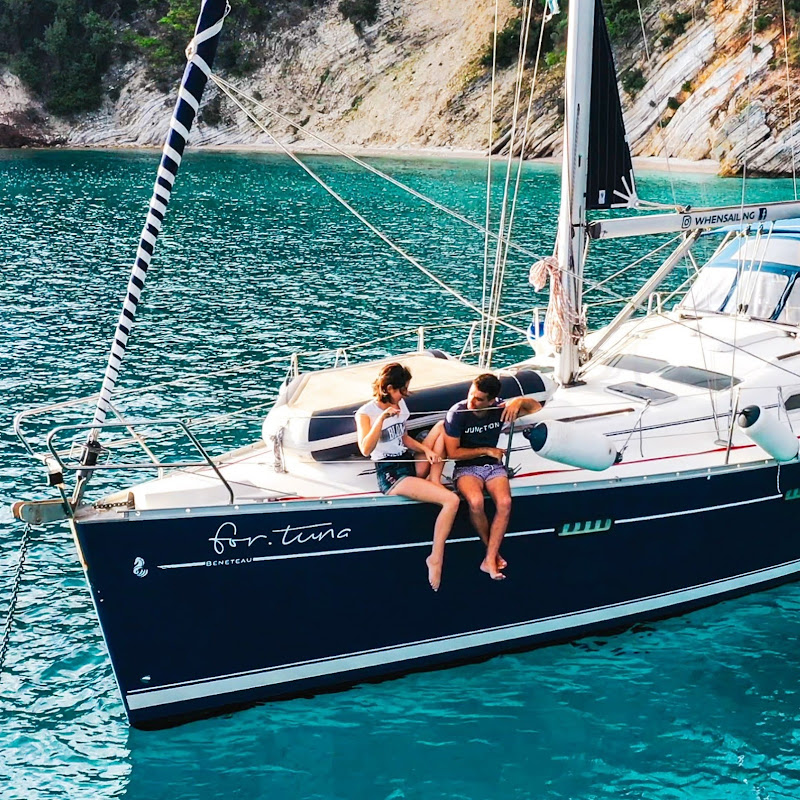
still unbelievably grateful that the weather and waves were kind to us #sailing #sailinglife #liveaboard #sailboatlife #sailingadventure
0
0
0
3
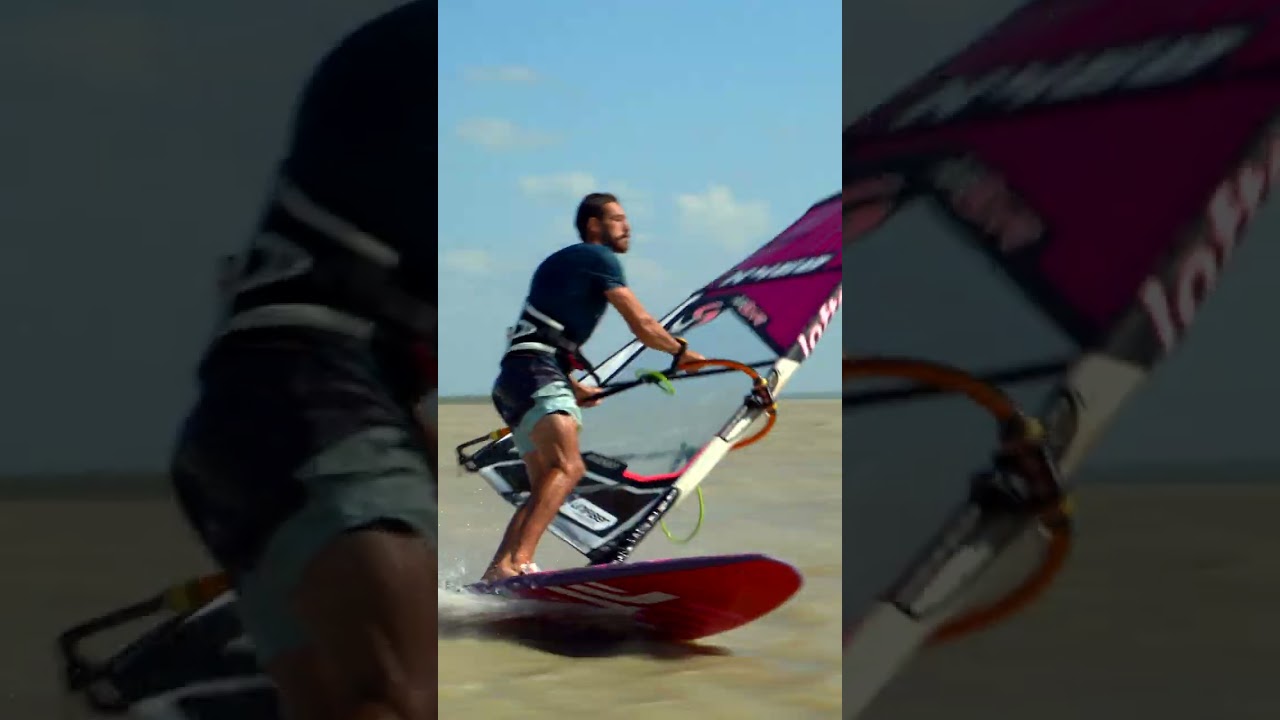
Our team rider George Grisley showing us you don't just have to do big freestyle moves to turn around with the Airspace. A perfect laydown gybe can be just as fun. Read more about the Airscape here - https://www.loftsails.com/windsurf-gear/sails/airscape Find us on our other socials: Instagram: https://www.instagram.com/loftsails/ Facebook: https://web.facebook.com/Loftsails #loftsails #windvision #windsurfing #airscape #freestyle #carvegybe #georgegrisley #shorts

0
0
0
30,055

Sailing with the Bestevaer 45ST on a very quiet day on the IJsselmeer.

0
0
0
6,036