Welcome aboard to the our video site for sailors. We are being constantly blasted by scammers and pirates, so registration is invite only
contact@sailorsahoy.com with "Invite". No spam, no newsletters. Just a free account
Corti Creare

Chronicling our dog's life traveling around the world!

0
0
0
1,209


0
0
0
16
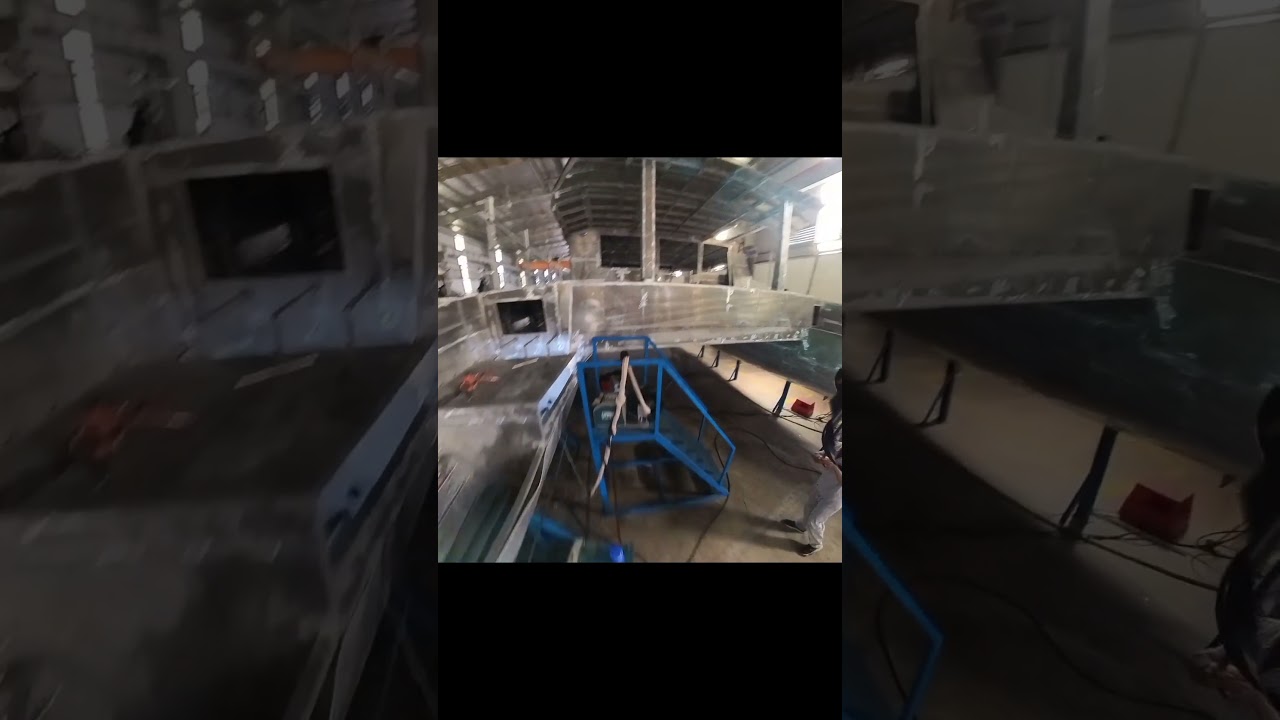
Become a patron, https://www.patreon.com/elcanoworldchallenge If you want more information on the Odisea 48, 55 or 62 then send an email to peter@elcanoworldchallenge.org The Odisea 48 from Odisea Catamarans has just started to get built in Vietnam. The design is complete, the paperwork has been done and now the factory has had 4 days to start the job and they are welding like madmen. Finally the wait is over, the Elcano World Challenge will begin in 2024 people. If you would like to help the project along then become a patron and get access to exclusive content. https://patreon.com/elcanoworldchallenge Give it a thumbs up if you liked this episode! Get your Sailing Into Freedom Crew T-shirt: https://teespring.com/stores/sailing-into-freedom If you would like to support with single donations click here - https://www.paypal.me/Plukky Check out some gear we have on the boat: Inverter https://www.amazon.com/Xantrex-PROWatt-Inverter-Model-806-1220/dp/B002LGEMOQ/ref=sr_1_5_mod_primary_new?dchild=1&keywords=marine+inverter&qid=1616102481&sbo=RZvfv%2F%2FHxDF%2BO5021pAnSA%3D%3D&sr=8-5 handheld radio https://www.amazon.com/Standard-Horizon-HX210-6W-Compact/dp/B07KN6LKVG/ref=sr_1_6?dchild=1&keywords=marine+radio&qid=1616102542&sr=8-6 (As an Amazon Associate I earn from qualifying purchases and I greatly appreciate your support!) Also follow us on - Instagram: https://www.instagram.com/sailingintofreedom Facebook: https://www.facebook.com/sailingintofreedom Our website: https://www.sailingintofreedom.comGive it a thumbs up if you liked this episode! Get your Sailing Into Freedom Crew T-shirt: https://teespring.com/stores/sailing-into-freedom If you would like to support with single donations click here - https://www.paypal.me/Plukky
0
0
0
4,820

0

0
0
0
75

0
0
0
167

It was blowing a little in Dublin ... well done to our skipper for mooring the boat in Dublin in challenging conditions.
0
0
0
99