Welcome aboard to the our video site for sailors. We are being constantly blasted by scammers and pirates, so registration is invite only
contact@sailorsahoy.com with "Invite". No spam, no newsletters. Just a free account
Shorts Créer
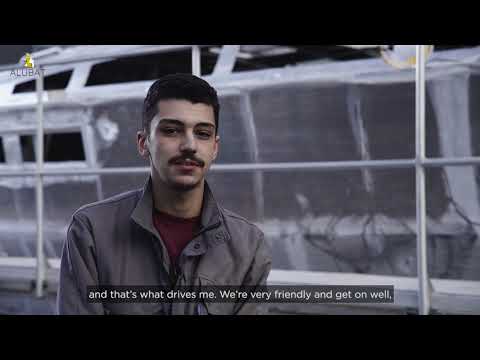
Louison vous fait découvrir son métier de chaudronnier et ce qui l'anime au quotidien à travers son témoignage. Il est toujours assez étonnant de voir d’où commence la naissance des OVNI et des Cigale… L’arrivée des plaques d’aluminium prédécoupées sur palette… De cette forme initiale, plane, les hommes lui apportent rondeurs et formes autour du mannequin. Le savoir-faire de nos compagnons, comme Louison, réside dans l’assemblage par soudure-pointée. Ces feuilles d’aluminium de 4 à 10 mm d’épaisseur sont rapprochées et soudées entre elles pour devenir une coque, un pont et enfin un voilier d’une robustesse incroyable. Il faut compter 10 semaines en moyenne en chaudronnerie avant que cette unité en aluminium rejoigne l’étape de la peinture. ENGLISH PRESENTATION Louison makes you discover his job as a metalworker and what drives him on a daily basis through his testimonial. It is always quite impressing to see where the birth of the OVNI and the Cigale yachts begins ... The arrival of pre-cut aluminum plates on a pallet ... From this initial, flat shape, men bring curves and shapes around the mannequin. The know-how of our companions, like Louison, is in the assembly by point welded. These 4 to 10 mm thick aluminum plates are gathered and welded together to become a hull, a deck and finally a very sturdy sailboat. It takes an average of 10 weeks in metalwork before this aluminum unit reaches the painting stage.
0
0
0
1,755

Sailing Near Fargo: Top Spot! #boat #sailing #shorts
0
0
0
1,260


0
0
0
172,471

We’ve talked Bahamas before… but I’m ready for a rehash as I get closer to the Bahamas on Salty Abandon. Hayden & Radeen from S/V Island Spirit are back to share their best sail routing & weather strategies from No Name Harbor to Georgetown. 💨Timing is everything. 🎙️ LIVE Wed, 11/11/25 — 6PM CT / 7PM ET 🎧 See full episodes & clips: 🎙️ https://tinyurl.com/SaltyPodcastPlaylist #SaltyAbandon #SaltyPodcast #Sailing #BahamasRewind #BahamasBound #CruisingLife
0
0
0
62

0
0
0
0
573

#oceanview #Indonesia #sailingadventure #wonderfulindonesia #liveaboard #sailing #baliindonesia #travelbali #travel 👍 If you found this video helpful, don't forget to LIKE and SUBSCRIBE for more adventure in Indonesia through Indonesian eyes ! Begin your incredible adventure with SeaTrek right here: 🗺 Schedule | https://www.seatrekbali.com/schedule/ ⛵️ Website | https://www.seatrekbali.com 📧 Contact Us | info@seatrekbali.com 𝗪𝐞'𝐫𝐞 𝐚𝐜𝐭𝐢𝐯𝐞 𝐨𝐧 𝐨𝐭𝐡𝐞𝐫 𝐬𝐨𝐜𝐢𝐚𝐥 𝐦𝐞𝐝𝐢𝐚 𝐩𝐥𝐚𝐭𝐟𝐨𝐫𝐦𝐬 𝐭𝐨𝐨! 𝘐𝘯𝘴𝘵𝘢𝘨𝘳𝘢𝘮: https://www.instagram.com/seatreksail... 𝘍𝘢𝘤𝘦𝘣𝘰𝘰𝘬: https://www.facebook.com/Seatrekbali 𝘓𝘪𝘯𝘬𝘦𝘥𝘐𝘯: https://www.linkedin.com/company/seat... Visit our website: www.seatrekbali.com

0
0
0
603