Welcome aboard to the our video site for sailors. We are being constantly blasted by scammers and pirates, so registration is invite only
contact@sailorsahoy.com with "Invite". No spam, no newsletters. Just a free account
短裤 创造

Hayley's school work is currently focused on persuasive texts. In her current module she was required to make an advertisement for Antarctic Ice. Hayley thought making a 30 second TV ad would be fun. Acting team was recruited (from another boat as well as ours) and the director set to work!

0
0
0
249

The yellow stingray (Urobatis jamaicensis) is a species of stingray in the family Urotrygonidae, found in the tropical western Atlantic Ocean from North Carolina to Trinidad. This bottom-dwelling species inhabits sandy, muddy, or seagrass bottoms in shallow inshore waters, commonly near coral reefs. Reaching no more than 36 cm (14 in) across, the yellow stingray has a round pectoral fin disc and a short tail with a well-developed caudal fin. It has a highly variable but distinctive dorsal color pattern consisting of either light-on-dark or dark-on-light reticulations forming spots and blotches, and can rapidly change the tonality of this coloration to improve its camouflage. Relatively sedentary during the day, the yellow stingray feeds on small invertebrates and bony fishes. When hunting it may undulate its disc to uncover buried prey, or lift the front of its disc to form a "cave" attractive to shelter-seeking organisms. This species is aplacental viviparous, meaning that the developing embryos are sustained initially by yolk and later by histotroph ("uterine milk"). Females bear two litters of up to seven young per year in seagrass, following a gestation period of 5–6 months. Though innocuous towards humans, the yellow stingray can inflict a painful injury with its venomous tail spine. This species is taken as bycatch by commercial fisheries and collected for the aquarium trade; it may also be negatively affected by habitat degradation. Nevertheless, it remains common and widespread, which has led the International Union for Conservation of Nature (IUCN) to list it under Least Concern.

0
0
0
320

0
0
0
0
39

The Cleat Hitch is a simple but effective way to secure your boat to the dock. Many people will argue that you should not use this method (preferring the OXO method) ad it can lock tight under heavy load. The team at bottom up boats agree to disagree with these critics as we firmly believe that there is a time and a place for everything. The clear hitch is neat and does not take up massive around of room on the cleat. In addition to the the cleat hitch ties nicely over the top of other lines which are being used to secure boats or yachts which got to the dock before you. If you want to learn more about the cleat hitch and OXO methods for securing your boat then take a look out our full length video where we take you through the pros and cons of both. https://youtu.be/LepMcTJuFfI If you want full instructions on how to tie the cleat hitch then follow the link below to learn more. https://youtu.be/5tnpsmPpL9k The team at bottom up boats hope you enjoyed this short video video where we teach you how to tie the cleat hitch in less than 30 seconds.

0
0
0
5,460

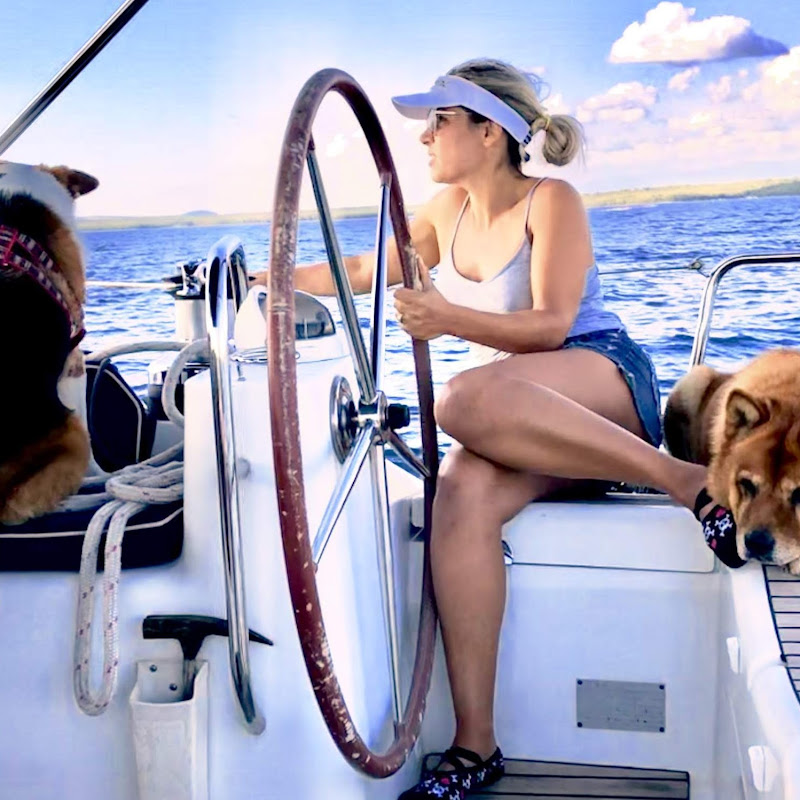
We have had many hurdles recently but it’s moments like these that keep us very positive. We wake up extremely grateful every day. #sailing #liveaboard #familyvlog

0
0
0
506

0
0
0
0
2,692