Welcome aboard to the our video site for sailors. We are being constantly blasted by scammers and pirates, so registration is invite only
contact@sailorsahoy.com with "Invite". No spam, no newsletters. Just a free account
ショーツ 作成

#boatlife #sailing #sailingonabudget #cruising #offshoresailing #boatmaintenance It’s always such a pity to throw away sailing rope, it’s so damn expensive- surely there is something we can do with it ? The answer is yes and this episode I show how you can make something that will save a few bucks, make the boat look nicer and help develop some seamanship skills. For the free (and legal!) copy of the awesome ‘Ashley Book of Knots’ - follow this link https://ia601904.us.archive.org/35/items/TheAshleyBookOfKnots/the%20ashley%20book%20of%20knots.pdf If you want to sail with me there are places available, for example check out our Atlantic Voyager event at: https://www.spartanoceanracing.com/atlantic-voyager-september-2022/ If you would like to develop your sailing skills further with the exclusive seamanship training videos at: https://www.patreon.com/themariner If you would like to listen to 'The Mariner' podcast covering all aspects of sailing & yacht ownership go to: https://podcasts.apple.com/ca/podcast/the-mariner/id1502504465 Or if you just want to listen to sailing books being read whilst you sand, clean and paint check out 'Rare Nautical Reads' https://rarenauticalreads.podbean.com
0
0
0
1,887
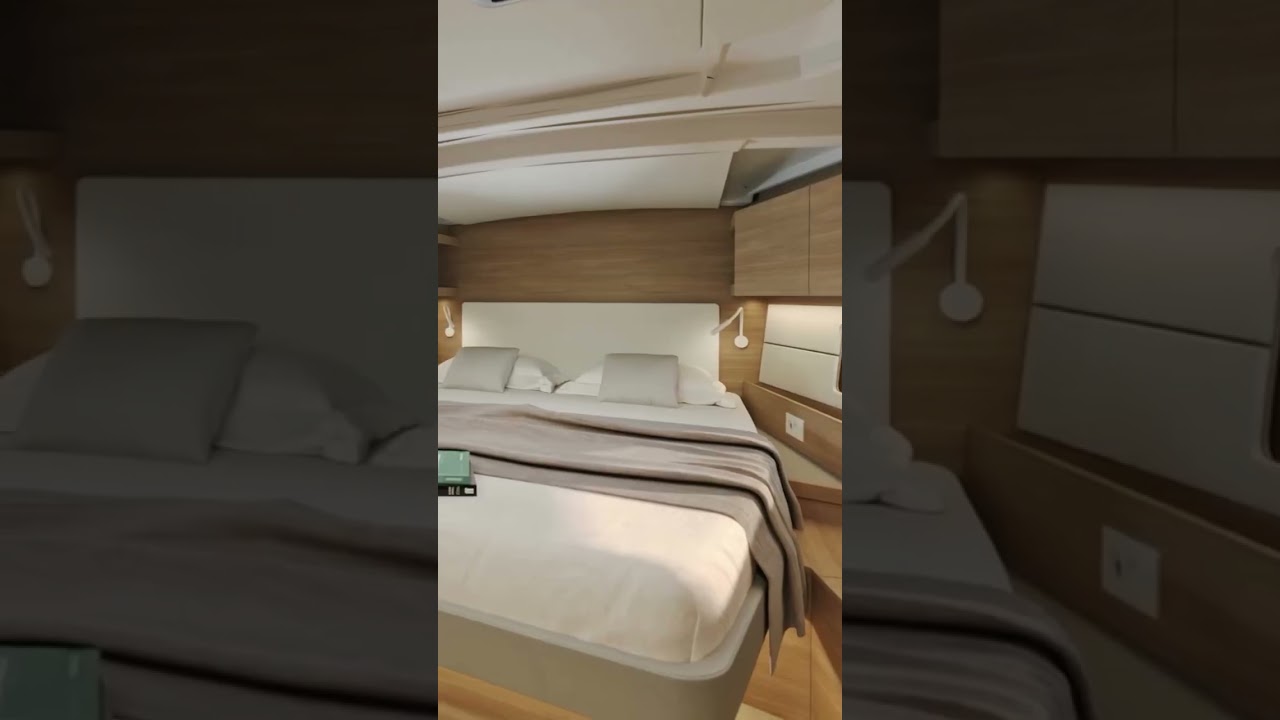
Enter a meticulously crafted living space where every detail has been thoughtfully considered. 💭 The Oceanis 47's saloon serves as the boat's social hub, designed to encourage relaxation and connection with those who matter most. Premium upholstery featuring thick foam cushioning and luxury fabrics ensures superior comfort, while the expertly finished sanded oak woodwork brings warmth and sophistication to the entire space. Personalize your yacht with three distinctive interior themes: Sunset's warm Mediterranean palette creates an inviting atmosphere, Pacific captures the fresh essence of tropical waters, or choose Ivory for classic, serene elegance. The owner's configuration offers three generous cabins with dual shower facilities, plus a dedicated navigation station for extended voyages. Visit our website www.masteryachting.com for more information about the new Beneteau models. 🙌 #DesignedToBeRemarkable #8thoceanisgeneration #NewSailingYachts #Beneteau #SailingLife #BeneteauOceanis #OceanisYacht #MasterYachting #MasterYachtingGroup #SailingBoat #BoatDesign #Oceanis47

0
0
0
250

0

0
0
0
34

THIS BOAT IS WAY TOO BIG FOR THIS CANAL 😳 People stopped. Phones out. One wrong move and it’s OVER. Would you stay and watch… or RUN? 👀👇 ⚠️ AI-generated sailing video — not a real incident #Sailing #BoatLife #CanalSailing #NarrowCanal #CrazyMoments #ViralShorts #Reels #TikTokViral #ShipSpotting

0
0
0
21,087

The Secret retractable built-in lamp is ideal for maximizing available table, bench or pool deck space. The lamp illuminates 360 degrees and has an automatic pop-up system for opening and closing Request a Quote Now: https://www.gineicomarine.com.au/product/secret-retractable-built-in-lamp/ Gineico Marine represent leading Italian marine lighting brand Quick Lighting Italy in Australia and New Zealand.

0
0
0
164

0
0
0
851