Welcome aboard to the our video site for sailors. We are being constantly blasted by scammers and pirates, so registration is invite only
contact@sailorsahoy.com with "Invite". No spam, no newsletters. Just a free account
निकर सृजन करना

0
0
0
293

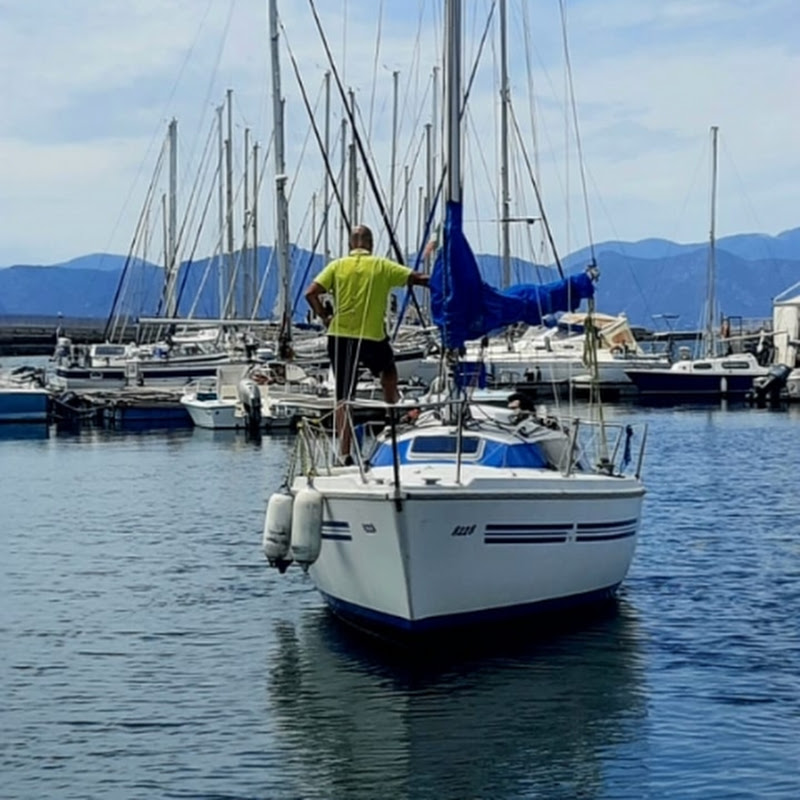
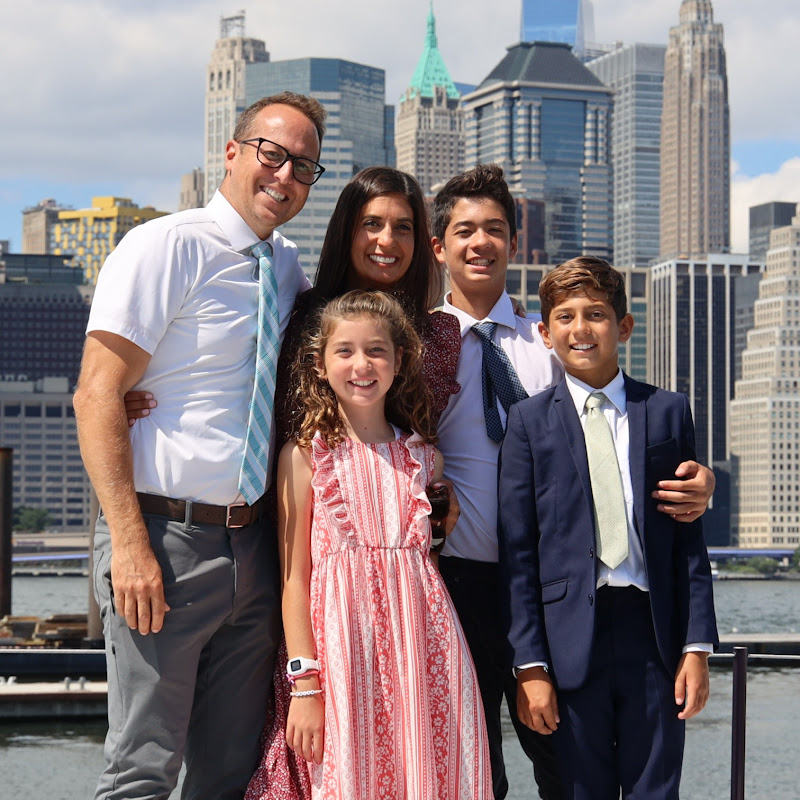
#sailingfamily #travel #boatlife #shorts #bahamas #caribbean #sailing
0
0
0
182
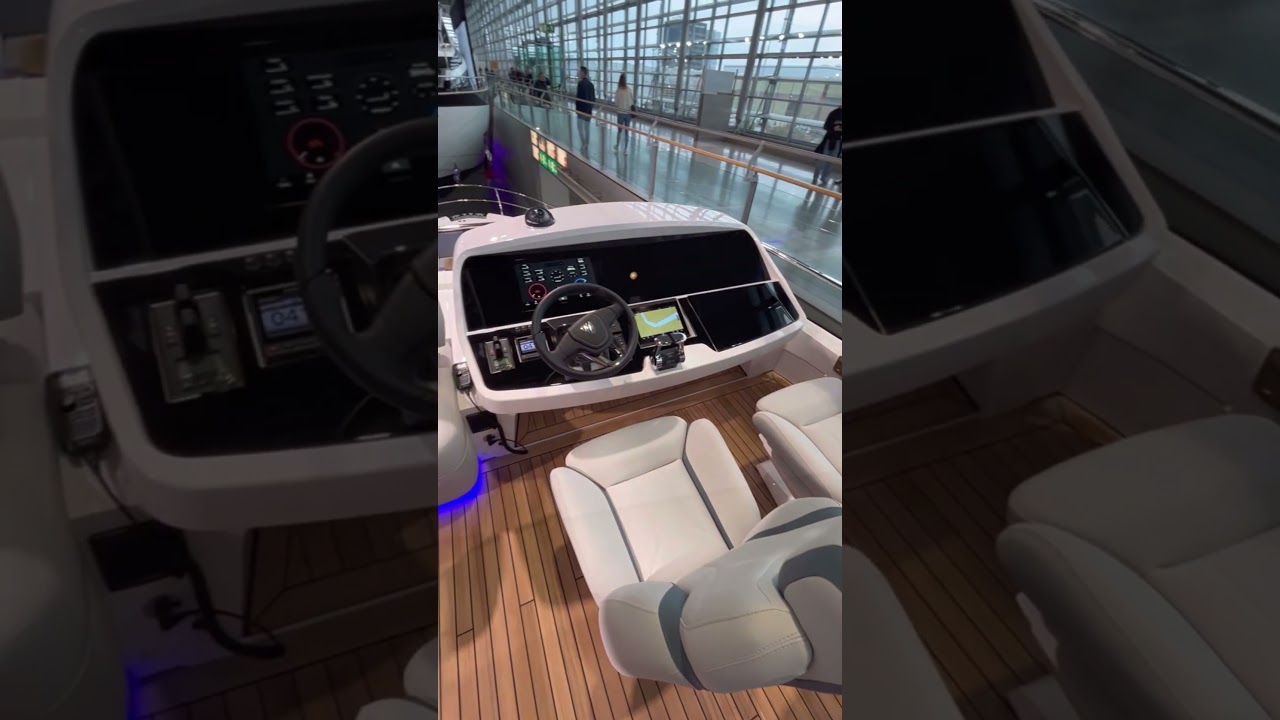
Space on board the Beneteau Flyer 9 SUNdeck is cleverly optimized and the previous generation’s level of comfort improved. Boasting cutting-edge instruments and extra comfort, the pleasure of driving this boat is all about having a good time together in good company. See this model at BoatLife in February 2023 at the Birmingham NEC. More details can be found on our website. #boatforsale #boating #forsale #boats #boatshow #newboat #sportsboat #sports

0
0
0
722

Full video - https://youtu.be/oN4hlE59r3M | We're sailing into nirvana in this pirate voyage on Lewisville Lake. Cyndi rides the bow and we get some great images of the lake while under way in our 1983 Catalina c-30 Tall Rig sailboat. #boattrip #catalina30 #sailing #sailingintonirvana #sailingcouple
0
0
0
9
0
0
0
1,030

O extremo sul da Bahia me surpreendeu muito! A gente sabe que a Bahia tá cheia de lugares maravilhosos, mas o extremo sul não tinha ouvido tanto, e é lindo. #costadodescobrimento #bahia #1500 #prado #barradocahy #pontadocorumbau #shorts

0
0
0
2,209