Welcome aboard to the our video site for sailors. We are being constantly blasted by scammers and pirates, so registration is invite only
contact@sailorsahoy.com with "Invite". No spam, no newsletters. Just a free account
Shorts Lumikha

In this video I show how to tie the bowline knot. We use the bowline knot to form a loop at the end of a line that does not contract. This is needed for example to fix a line at a mooring post or to attach the halyard on the head of a sail. Ad | Buy my Book now: http://sailnator.com/book/ Book Review: https://youtu.be/0nCIUzcjp0M Long Format Video: https://youtu.be/fhUwWTTdq4E Step by step instructions on my blog: http://sailnator.com/bowline-knot/
0
0
0
819

Sailing under the supermoon 
0
0
0
40

Thanks for watching! Please subscribe and leave a comment ⛵️ To support our work ❤️ https://www.patreon.com/sailingrubyrose Our videos are free for everyone to watch, and always will be. However, we have an amazing community of Patrons who, for the cost of a cup of coffee a month, receive all sorts of benefits and perks. This support allows us to continue bringing our stories to you, so a HUGE thanks to our wonderful Patrons 😊 Click the link above to find out more. SOCIAL MEDIA http://www.instagram.com/sailingrubyrose http://www.facebook.com/sailingrubyrose https://www.tiktok.com/@sailingrubyrose MUSIC Epidemic Sound Artlist Hey there! We're Nick and Terysa and we’ve become completely obsessed with the idea of sailing around the world and sharing our experiences and information through our sailing lifestyle videos with others. We met travelling around India, and quickly agreed that rather than “settling down” and doing what most normal people do, we wanted to travel and have adventures! We moved onto our 38 foot monohull in 2014, sailed across the Atlantic twice, cruised the Caribbean, Bahamas and Europe, before buying a brand new 45 ft catamaran! We hope you enjoy what we do. Please subscribe, like and share.
0
0
0
6,025

0
0
0
884

When you are new to yachting, almost ALL yachts look amazing. There are big differences in the quality of yachts on the market though, and the devil is often in the details! #devilinthedetails #yachtbuilding #yachtsforsale

0
0
0
185,976
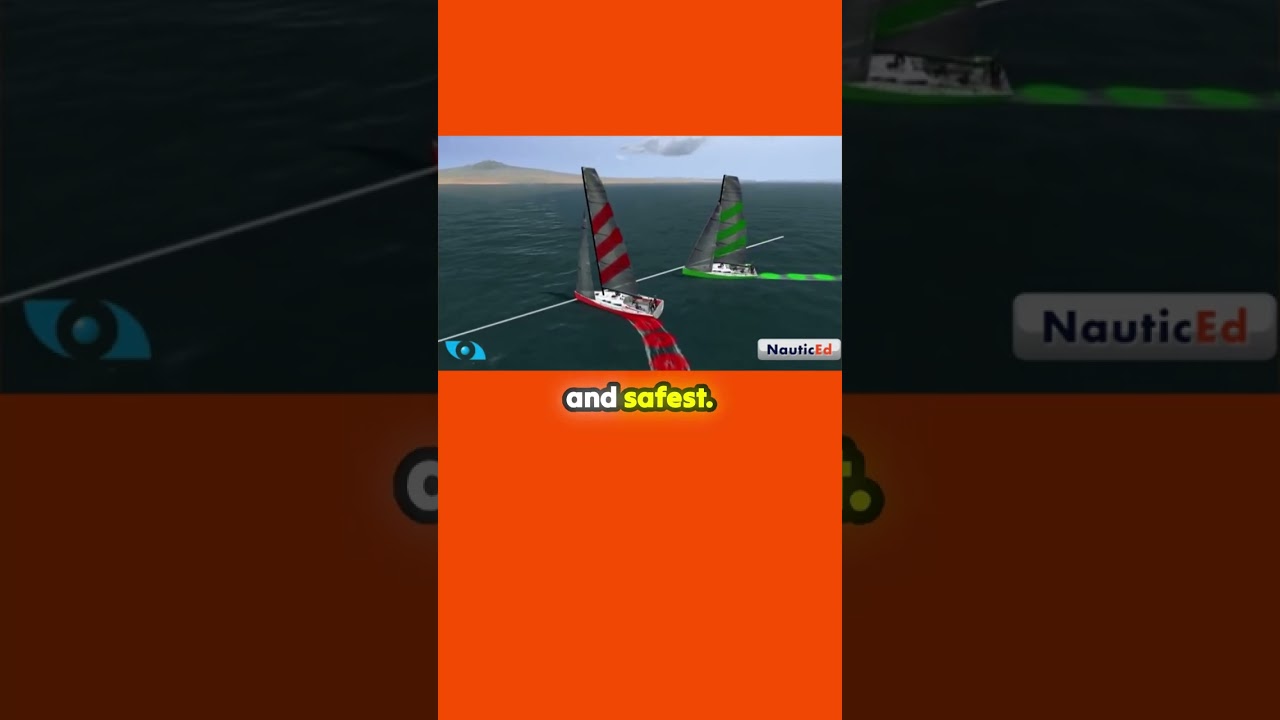
⛵ On a collision course while sailing upwind? The port boat has two main choices to keep clear: tack to avoid the other boat, or alter course to sail right behind them. #sailing #sailingschool #sailinglife #boat #navigation

0
0
0
653