Welcome aboard to the our video site for sailors. We are being constantly blasted by scammers and pirates, so registration is invite only
contact@sailorsahoy.com with "Invite". No spam, no newsletters. Just a free account
Quần short Tạo ra

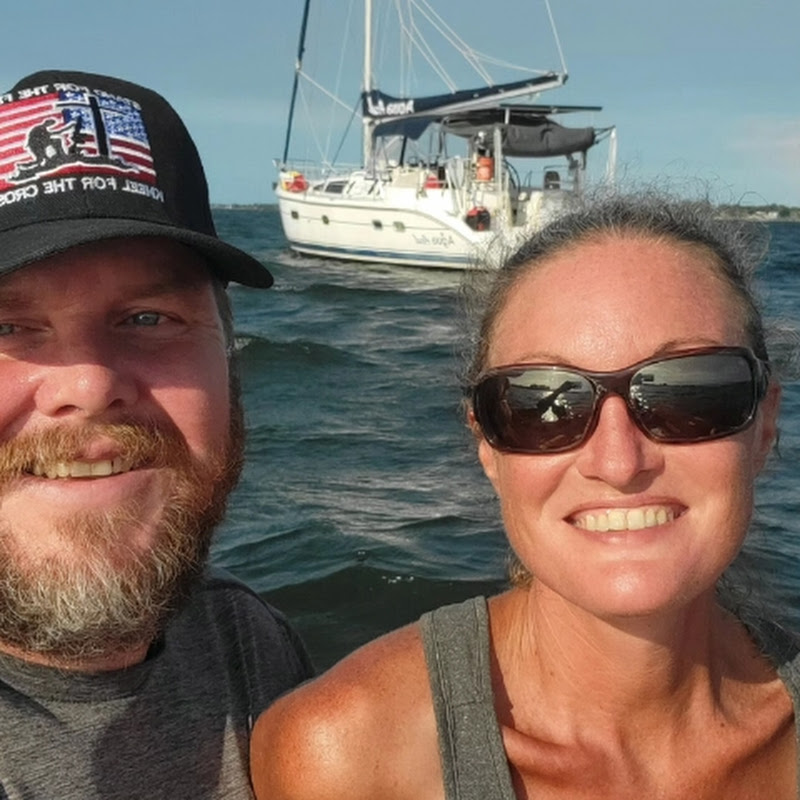
Redneck Honky Engineering: DIY Boat Fans for Hot Days on the Water Staying cool on a boat during a long trip can be tough, especially in warm weather. Imagine you're sailing toward Puerto Rico, but your boat's fans keep failing. That's the problem one boater faced, leading to a quick, no-frills fix using what was on hand. This "redneck honky engineering" approach shows how simple tweaks can keep you comfortable without fancy tools. In this post, we'll break down the setup, why it works, and tips to try your own version. The video starts with the boater testing fans mounted high on the boat. One spins wildly, then slows and dies. It's a common issue—standard fans can't handle the boat's motion or heat. Frustrated but creative, the boater rigs up a homemade solution. He attaches fans with wires and basic holders, calling it "honky customized" until reaching port. His wife chimes in, saying it looks "stupid" with dangling wires, but admits it's blowing cool air. No 3D printer or high-tech gear here—just practical ingenuity. What makes this redneck honky engineering so appealing? It's all about resourcefulness. "Redneck" often means using scrap materials for tough jobs, while "honky" adds a fun, folksy twist to the DIY spirit. On a boat, space is limited, and you can't always run to a store. This setup uses zip ties, tape, or wire to secure small fans aimed at key spots like the helm or sleeping area. The result? Steady airflow without breaking the bank. Let's dive into the steps to replicate it. First, pick your fans. Go for 12-volt USB models that run off boat batteries. They're cheap and easy to find online or at hardware stores. Mount them high to push air down, like in the video. Use sturdy brackets or even old coat hangers bent into shape. Secure wires with electrical tape to avoid snags—safety first on water. One fan might not cut it, as the boater notes. Imagine four of them: they'd create a breeze like a mini AC system. Position two for the cockpit and two for below deck. Test them in wind to ensure they don't spin out. If wires dangle, bundle them with clips. It's not pretty, but function beats form when you're sweating. Why does this matter for boaters? Heat exhaustion is real on the water. The CDC says high temps can cause dizziness or worse, especially if you're dehydrated. A reliable fan setup keeps you alert and safe. Plus, it's eco-friendly—running fans uses less power than a full AC unit, saving battery life for essentials like navigation. For those new to boating, redneck honky engineering builds confidence. You don't need engineering degrees; just problem-solving skills. Start small: fix a leaky hose with a soda bottle or reinforce a seat with duct tape. Over time, these hacks become second nature. The boater's wife might not love the look, but practicality wins. If you're heading to places like Puerto Rico, where humidity spikes, this could be your lifesaver. Expand on safety tips. Always check electrical connections to prevent shorts—water and electricity mix badly. Use marine-grade wire for durability. If upgrading later, consider solar-powered fans for off-grid trips. Brands like Caframo make rugged options, but the DIY route keeps costs under $5 per fan. Real-world examples abound. Boaters on forums like CruisersForum share similar stories: rigging shade sails from tarps or cooling bunks with ice packs. This video captures that spirit—quick, effective, and humorous. The boater's excitement shines through, turning a breakdown into a win. In conclusion, redneck honky engineering proves you can beat the heat with what you've got. Whether you're a weekend sailor or full-time cruiser, try this fan hack next time. It might look rough, but it'll keep you cool until the pros take over. Share your own DIY stories in the comments—what's your go-to boat fix?
0
0
0
438

Cruising at 22 knots on half-meter waves has never looked this smooth. Built to handle the rough seas of the English Channel, the all-new Princess V65 – 2025 release proves once again what British engineering and craftsmanship can deliver. Tested in real conditions, it impressed for its power, comfort, and stability — a true icon, redefined. ⚓️ Watch the full sea trial soon on The Boat Show — on YouTube, Sky, or wherever you stream. @princessyachts @princessyachtsitaly @baccidelbuono . https://youtu.be/d2EdeGLC5uA . #PrincessV65 #PrincessYachts #TheBoatShow #LuxuryYacht #YachtTest #SeaTrial #BritishCraftsmanship #YachtPerformance #LuxuryOnTheWater #MotorYacht #YachtLife #YachtingWorld #Plymouth #YachtDesign #YachtingLifestyle #NauticalExcellence #IconReborn #BoatLovers #MarineEngineering #PowerAndGrace

0
0
0
213

Kialoa Ill is a Sparkman & Stephens maxi sloop, built by Palmer Johnson in 1974 and known for dominating offshore racing in the 1970s. The design is a classic example of a large IOR (International Offshore Rule) racing yacht. Racing @sailingweekantigua earlier this year. She's a stunner. No question. @tidalpulsemedia

0
0
0
2,181

► Full test in Multihulls World Secial Issue Forever Green N°22: https://www.multihulls-world.com/review/catamaran/greencat-52-energy-transition-a-la-carte ► Based in La Rochelle on France’s Atlantic coast, the Chantiers de l'Arsenal shipyard is best known for its “Day 1” range of day-charter catamarans, of which some 15 units in sizes from 60 to 90 feet have already been sold worldwide. The manufacturer is also taking an interest in electrically powered workboat catamarans but has also just launched its first recreational multihull. This catamaran, christened the Greencat 52, was delivered to a private owner planning on setting off on a round-the-world cruise. An eco-responsible approach accompanies the entire project - no molds thanks to One Shape® technology, use of a sandwich with recycled PET foam and, of course, installation of two electric motors (Transfluid). The approach is reminiscent of Windelo's, but the deck plan reveals a much more covering coachroof to limit the greenhouse effect in the nacelle, and above all, twin helm stations aft - rather than one maneuvering/helm station forward. ► TECHNICAL SPECIFICATIONS Builder: Chantiers de l'Arsenal Architect: Philippe Renaudeau Length: 51’8” (15.75 m) Beam: 24’1” (7.34 m) Draft: 4’7” (1.4 m) Light displacement: 30,900 lbs (14 t) Laden displacement: 38,800 lbs (17.6 t) Sail area: 1,570 sq ft (146 m²) Drivetrain: 2 x 25 kW electric motors) Water capacity: 105 US gal (400 l) CE Certification: A10 ► Become a FREE SUBSCRIBER to Multihulls World's YouTube page now - https://www.youtube.com/c/MultihullsWorld ► Log on to our website to discover over 500 multihulls tests! Subscribe to our newsletter to take advantage of our promotions and boat show invitations! https://www.multihulls-world.com/ ► Follow us on Facebook! https://m.facebook.com/MultihullsWorldMag/?locale2=fr_FR ► Discover us on Instagram! https://www.instagram.com/multihulls_world/ ► Follow our multi news on X - https://twitter.com/multihullsworld?lang=fr ► Let’s talk about business on Linkedin https://www.linkedin.com/company/multicoques-mag-multihulls-world/ ► Like us on TikTok! https://www.tiktok.com/@multihullsworldmag #yachtconcept #chantierdelarsenal #emmanuelvandeth #multihullsworld #multicoquesmag #catamaran #grandpavois_official #larochelle #seatrial

0
0
0
1,141

0
0
0
0
18
Gaetano è nato il 7 luglio 1968 a Cala Gonone sulla costa orientale della Sardegna dove ha sempre vissuto; qui il rapporto con la natura è la vita stessa, e al mare Gaetano ha consacrato la sua esistenza, nell'appassionato incontro tra lavoro, sogno e avventura.Dove è nato Gaetano non esistono circoli velici e manca una tradizione di vela. La sua carriera in mare incomincia presto quando si imbarca come mozzo sui pescherecci, poi come comandante sul trasporto passeggeri di piccolo cabotaggio. A vent'anni acquista il Dovesesto un fatiscente veliero d'epoca di 23 metri col quale, una volta restaurato, si guadagnerà da vivere (un'innovativa esperienza imprenditoriale) facendo charter e sarà la scuola della sua vita. Autodidatta per forza di cose ha imparato la vela da solo, trasformando la sua passione in impegno concreto attraverso studio e determinazione imparando a comprendere il vento onnipresente nella sua isola. Poi le regate lungo l' Oceano, una conquista dopo l'altra. La sua vocazione è la navigazione in solitario, quella che gli è più congeniale per la quale sente di avere una predisposizione fisica e mentale. La sua ultima impresa è la partecipazione alla Transat 2009. Nel 2011 ha progettato "gironelmondo" e dal 2012 inizia l'attività con BET 1128 Saling Team. Partecipando alla Palermo Montecarlo dove vince nella sua classe, poi la Middle Sea Race dove conquista il secondo posto. Nel 2013 trasloco in oceano per la partecipazione a Les Sables-Horta- Les Sables e alla Transat Jacques Vabre

0
0
0
207