Welcome aboard to the our video site for sailors. We are being constantly blasted by scammers and pirates, so registration is invite only
contact@sailorsahoy.com with "Invite". No spam, no newsletters. Just a free account
निकर सृजन करना

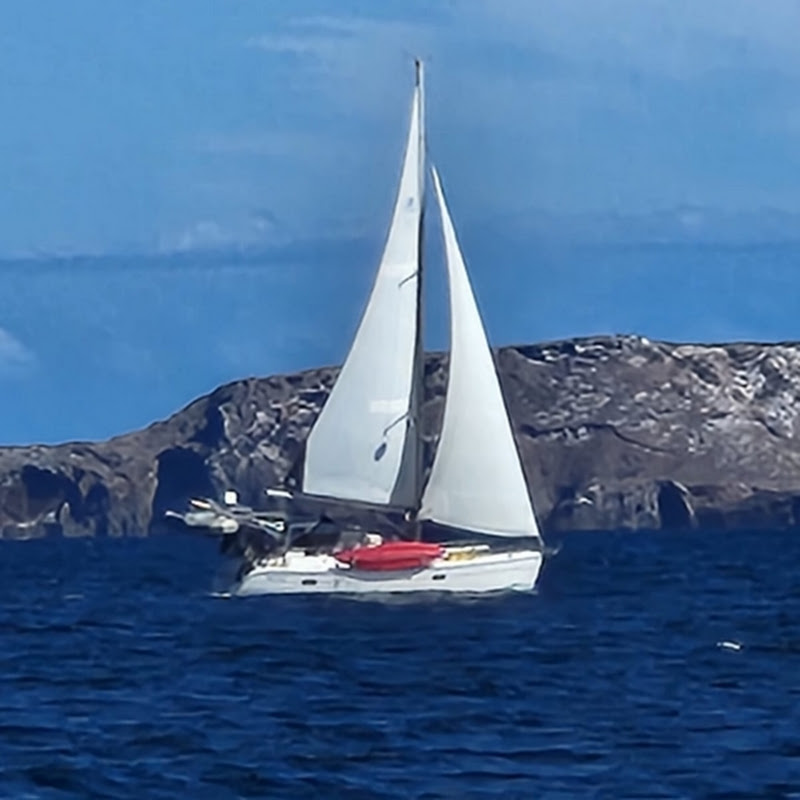
Kayaking and sailing in Baja!
0
0
0
868

Nature's Fury: A Boat's Battle Against the Waves! ⚓🌊 #Storm #NatureFury #Boats #ViralVideo #Weather #Ocean #DramaticMoments
0
0
0
5

To watch the full video, or discover our other videos, go to our channel @FountainePajot

0
0
0
380

Holiday of the fine company in an environment of the wonderful nature! All you need in this heat is a cold drink, a refreshing sea and cheerful friends! Official website: https://brilions.com E-mail: info@brilions.com WhatsApp and the phone number for any question: russian language +7 958 111 9529 english language +44 78 9707 2330 Instagram: russian language https://www.instagram.com/brilions/ english language https://www.instagram.com/brilions.eng/ Facebook: russian language https://www.facebook.com/brilions.yacht english language https://www.facebook.com/brilions.eng VK: https://vk.com/brilions.yacht You can check feedbacks about us here: Yandex - https://yandex.ru/profile/67155125910 Google.Business - https://goo.gl/maps/ZVpKmbRVfozdVxTT7 TripAdvisor - https://www.tripadvisor.ru/Attraction_Review-g297962-d20325971-Reviews-Brilions-Antalya_Turkish_Mediterranean_Coast.html See also: Love story - https://youtu.be/AGBkU5FdbcI Yacht docking (beauty contest MISS&MRS EURASIA 2021) - https://youtu.be/9R7Os9ayXgM #yachtinantalya #yachtinkemer #yachtrent #holidayinantalya #yachtvoyage #yachtrentalinantalya #blogger_inturkey Song: Guy Arthur & Clarx - For Good (feat. Veronica Bravo) [NCS Release] Music provided by NoCopyrightSounds Free Download/Stream: http://ncs.io/forgood Watch: http://youtu.be/uJp6wz4gAio

0
0
0
35

En mer, chaque silhouette sous l’eau peut faire monter le cœur d’un cran. Entre beauté, surprise et adrénaline, la nature trouve toujours une façon de nous rappeler qu’on n’est que de passage sur son territoire. 🌊 #sailinglife #oceanenergy #wildencounters ----------------------------------------------- ☀️ TU RÊVES DE VACANCES SUR UN VOILIER ? ☀️ Je t’aide à organiser ton voyage à bord d’un voilier ⛵ 📩 Contacte-moi : https://sailingatypic.com/pages/vacances-a-bord ❤️ MERCI À NOS PATREONS QUI RENDENT CES VIDÉOS POSSIBLES ❤️ Tu veux nous encourager ? ➤ https://www.patreon.com/sailingatypic 🌐 NOTRE SITE WEB 🌐 ➤ https://www.sailingatypic.com 👕 BOUTIQUE DE VÊTEMENTS ATYPIC 👕 ➤ https://sailingatypic.com/collections/all 🔔 SUIVEZ-NOUS 🔔 Facebook: http://www.facebook.com/SailingAtypic/ Instagram: https://www.instagram.com/sailing_atypic/?hl=fr YouTube: https://youtube.com/c/SailingAtypic Patreon: https://www.patreon.com/user?u=37205310
0
0
0
1,169

0
0
0
0
3,514