Welcome aboard to the our video site for sailors. We are being constantly blasted by scammers and pirates, so registration is invite only
contact@sailorsahoy.com with "Invite". No spam, no newsletters. Just a free account
Corti Creare
Kinda crazy, right? Just on our doorstep ⭐️ Anyone knows if it’s possible to take the hook out without being injured? Thanks to Super Sky @goodtimesyeah for the 📸 . . . #oceanlife #ocean #sealife #nature #sea #underwater #marinelife #underwaterphotography #oceanview #beachlife #scubadiving #oceanlover #beach #diving #scuba #underwaterworld #oceanphotography #photography #travel #naturephotography #wildlife #oceanlove #underwaterlife #uwphotography #waves #seacreatures #beachvibes #shark #surf #fish
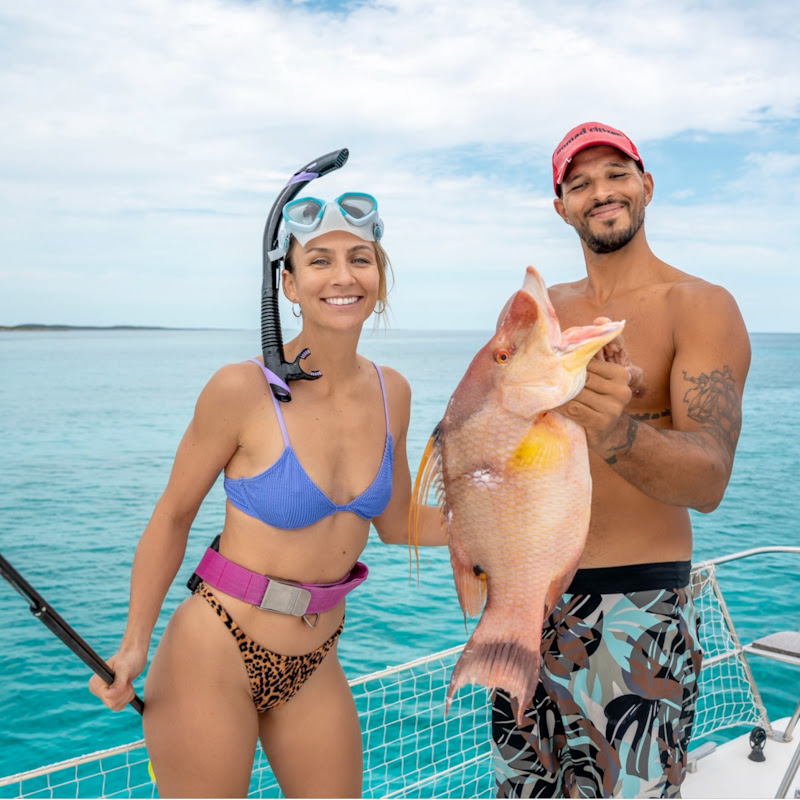
Super Saturday at the RORC Easter Challenge. The Easter treats continued for close to 300 hundred sailors taking part in the RORC Easter Challenge. Fabulous sailing conditions continued in the Solent for Day Two of the regatta. The RORC Race Committee, led by Steve Cole, with Paul Jackson as PRO, organised two race courses giving the fleet a mixture of windward leeward races and round the cans courses. Three races were completed for all three IRC Classes; a south easterly breeze of 10 to 16 knots, with beautiful spring sunshine, provided superb racing. A race debrief was held at the RORC Cowes Clubhouse with more expert advice from Andrew ‘Dog’ Palfrey and the coaching team, and included drone footage from North Sails of starts, mark roundings and boat handling. Those unable to attend watched the presentation via Zoom with documents, videos and pictures also uploaded to the Cloud. “What a fantastic job by the RORC Race Committee; a great mixture of courses, which is what you want for a training regatta,” commented Dog Palfrey. “We have seen some solid improvements since the first day. There is still a way to go to be consistently well-sailed, but every team has made ground towards that goal.” #RORCracing #EasterChallenge #NorthSails 📸 RORC / Shaun Roster / Louay Habib
The wooden frame to lift the engine with must be very stable. Test with your own body that it's completly stable in all directions. Used double lifting devices to make the engine to move sidewards. Used plywood and soft material to protect the opening of the entrance to the boat. Shifted to a support over the entrance to the boat to get the engine into the thunnel. It was surpricing easy to get the engine in the right position. Checked with feeler gaugh that it was perfect aligned with the straight axis. The engine supports are flat and the the adjustment plates are under the supports. Those had not been changed when the engine was lifted out of the boat. As the alignment was absolutely perfect, I do not expect to even have to check when the boat comes into water.