Welcome aboard to the our video site for sailors. We are being constantly blasted by scammers and pirates, so registration is invite only
contact@sailorsahoy.com with "Invite". No spam, no newsletters. Just a free account
निकर सृजन करना

0

0
0
0
6,320

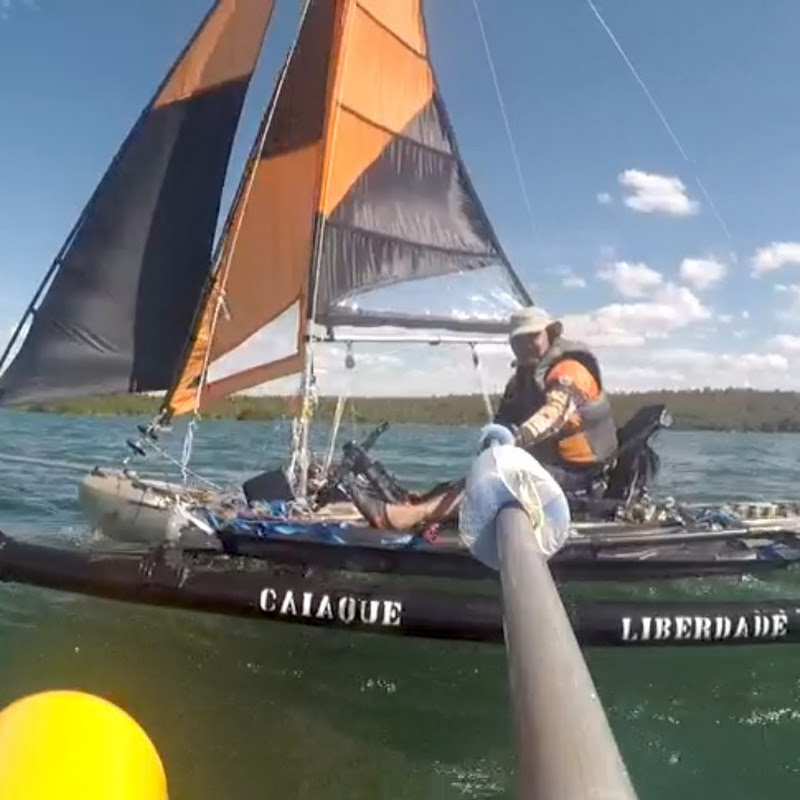
Velejando no caiaque com as velas abertas sob o pôr-do-sol - Lago Corumbá lV - GO | Parte 01
0
0
0
117

1 of 6 in the World. $40 million. One of the most gorgeous yachts on @flibsofficial

0
0
0
184

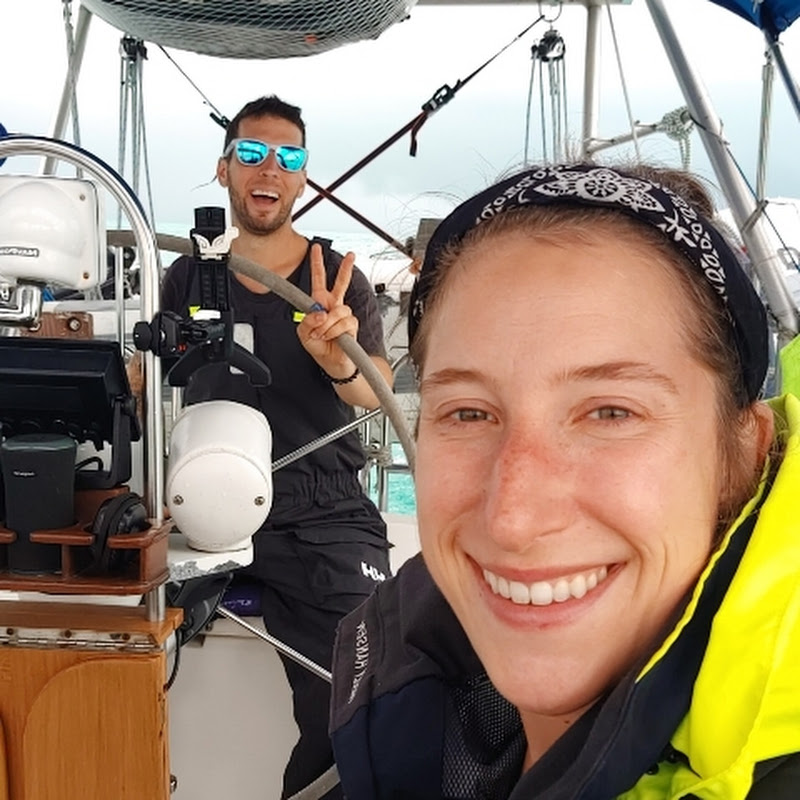
I'd like to say thank you to those who have come along for this wild ride, we're a small channel and appreciate the support. We (Kayleigh & James) recently spent 6 days at The Boat Works and we have almost got the boat ready to move aboard and set sail in April. WATCH HERE: https://youtu.be/6HdiRWAra_s?si=IjzSHEq8UCsmHyvn Chapters: - Intro 00:00 - Becalmed 00:25 - Man Overboard Drills 03:00 - Challenging Navigation 04:37 - Haul Out 07:29 - Epic Sailing! 23:05 - Cyclone Watch 26:29 - Outro 26:49

0
0
0
1,459

0
0
0
0
437

Come and JOIN the ADVENTURES - https://thejunk.com/liveaboard-schedules/ Plankton are an incredibly diverse group of organisms that inhabit the world's oceans, lakes, and rivers. They are classified into two main categories: phytoplankton, which are microscopic plants, and zooplankton, which are tiny animals. Characteristics of Plankton Drifting Nature: Plankton are primarily characterized by their inability to swim against currents. Instead, they drift with the water flow, which means their distribution is largely influenced by oceanic and atmospheric currents. This drifting lifestyle allows them to occupy various ecological niches in both freshwater and marine environments. Size and Diversity: Plankton vary dramatically in size, ranging from tiny bacteria (nanoplankton) to larger organisms like jellyfish (macroplankton). This diversity also extends to their biological classifications, including single-celled organisms like diatoms and dinoflagellates among phytoplankton, and small crustaceans such as copepods among zooplankton. Ecological Importance: Plankton play a crucial role in aquatic ecosystems. Phytoplankton are primary producers, converting sunlight into energy through photosynthesis and forming the base of the food web. Zooplankton feed on phytoplankton and serve as a food source for larger marine animals, including fish and whales.

0
0
0
165