Welcome aboard to the our video site for sailors. We are being constantly blasted by scammers and pirates, so registration is invite only
contact@sailorsahoy.com with "Invite". No spam, no newsletters. Just a free account
Shorts skab
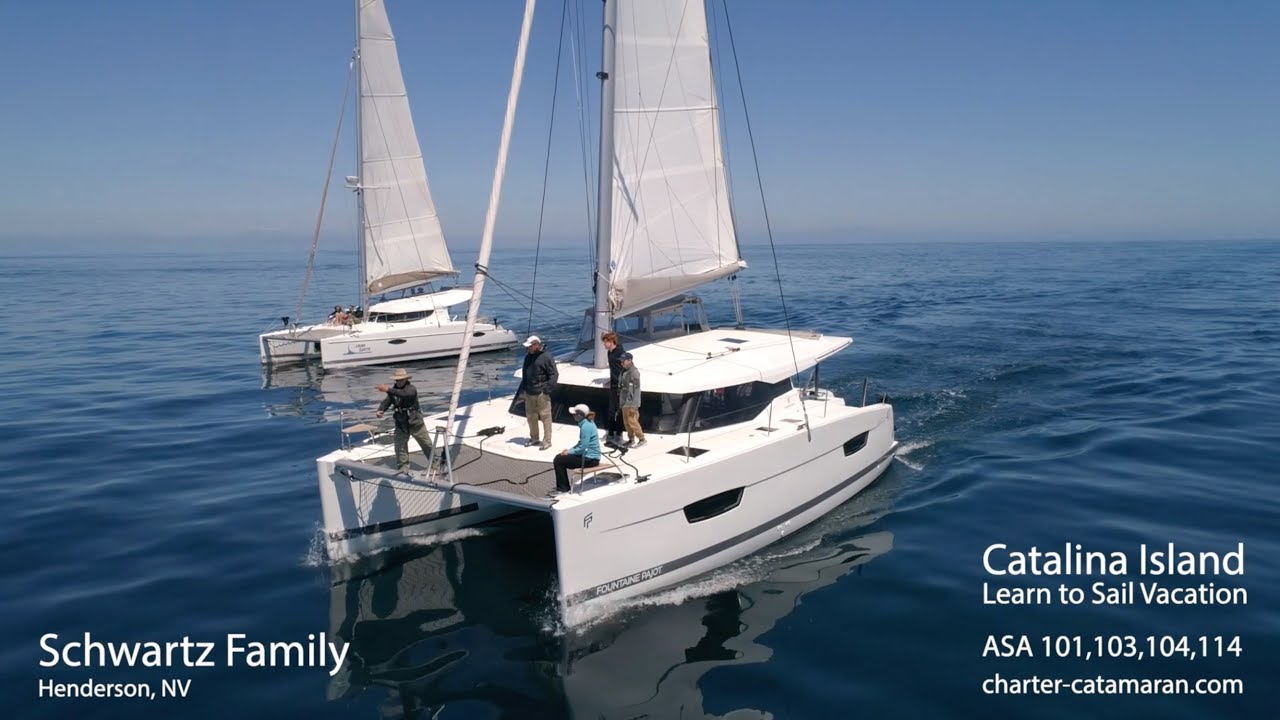
West Coast Multihulls is a premier catamaran sailing school and charter company based in San Diego, California, with additional operations in the Sea of Cortez, Mexico. Renowned for its comprehensive American Sailing Association (ASA) certification programs, WCM offers courses ranging from ASA 101 (Basic Keelboat) to ASA 114 (Cruising Catamaran) . One of WCM's standout offerings is the "Learn to Sail Vacation," a week-long, liveaboard experience that combines sailing instruction with adventure. These trips often sail from San Diego to Catalina Island, providing students with hands-on experience in real-world conditions. Check out this testimonial from our recent students with Captain Lance Botthof on our Fountaine Pajot Lucia 40. Whether you're seeking to learn, earn certifications, or embark on a sailing adventure, West Coast Multihulls provides tailored experiences to meet your needs. Book your educational adventure! 619.365.4326 info@westcoastmultihulls.com charter-catamaran.com
0
0
0
2,731

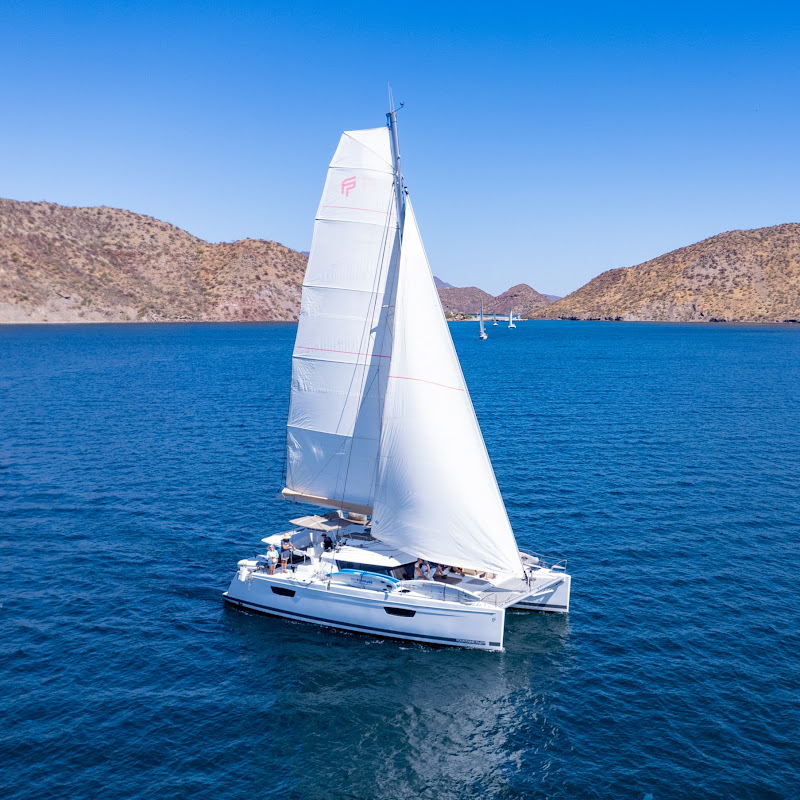
This is what it means 🥹 Jingkun Xu is the first Chinese skipper to finish the Vendée Globe 🇨🇳🌎 📸 Vendee Globe #VendeeGlobe
0
0
0
993

Sorry! This promotion is no longer valid. But you can buy the movie here: https://vimeo.com/ondemand/utl Follow this link to get 25% off the full movie length documentary Untie The Lines here https://vimeo.com/r/2eHd/MG9NekQ1ZG. Hurry up, ‘cause there won’t be more about that next week!
0
0
0
14,290

0
0
0
0
2,134

Why does navigation start at the equator? 🌍⚓ If you’re new to sailing, navigation can feel confusing — especially latitude and longitude. In this short sailing lesson, we explain why every position on Earth is measured from this single reference line. This is a beginner-friendly explanation designed to be easy to remember and simple to understand — perfect if you’re learning to read charts, understand GPS positions, or just starting your sailing journey. 👉 Watch the full video for a deeper breakdown and more beginner sailing tips. https://www.youtube.com/watch?v=8m_ivNgwExI&list=PLQOqsyzQgrHPTNxLsHmvyKZl4iNs7mYwZ&index=8 #SailingForBeginners #SailingNavigation #LearnToSail #Latitude #Equator #BeginnerSailor #SailingBasics #SailingEducation #NauticalKnowledge

0
0
0
69

Islands of Japan & Southeast Asia Japan is a seamless blend of ancient customs, ultramodern living, temples and shrines, incredible gardens, rich culture and wildlife-filled national parks. With the world's sixth longest coastline and more than 6,800 islands and islets, Japan's archipelago of volcanic islands and dramatic landscape is best explored by sea. Our small ship luxury cruises to Southeast Asia offer the ultimate exploration of Japan with some of the most intriguing treasures of South Korea. Join us aboard the luxurious 140-guest Heritage Adventurer as we discover remote coastlines and islands, unspoiled nature, cultural delights and futuristic cities resplendent with their unique charms. Visit our website to learn more: https://www.heritage-expeditions.com/destinations/japan-travel/
0
0
0
4