Welcome aboard to the our video site for sailors. We are being constantly blasted by scammers and pirates, so registration is invite only
contact@sailorsahoy.com with "Invite". No spam, no newsletters. Just a free account
Kurze Hose Erstellen

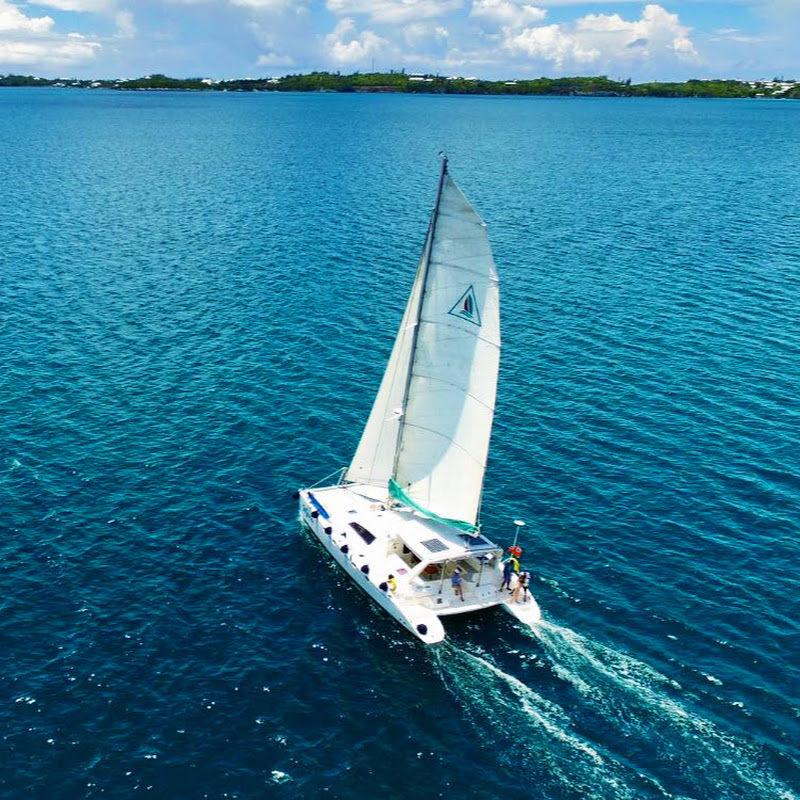
It's always an emotional moment when a man and his dog have a heartwarming reunion after a month apart! Our beautiful little boat dog Rose was overjoyed to see her whole crew together again, showcasing the incredible bond she has with her humans (especially Trent!), and making her one happy dog! If only this joyful reunion didn't end with a headbutt and a bruise 😂. After backpacking Asia, road tripping Europe and doing a bit of van life, we’re now exploring the world aboard our Leopard 45 catamaran. Check out our full length videos! @travelsketch 🎶 Music from Artlist ➼ Get yourself 2 months free with a subscription https://artlist.io/Telicia-1577425
0
0
0
1,048

0
0
0
0
40
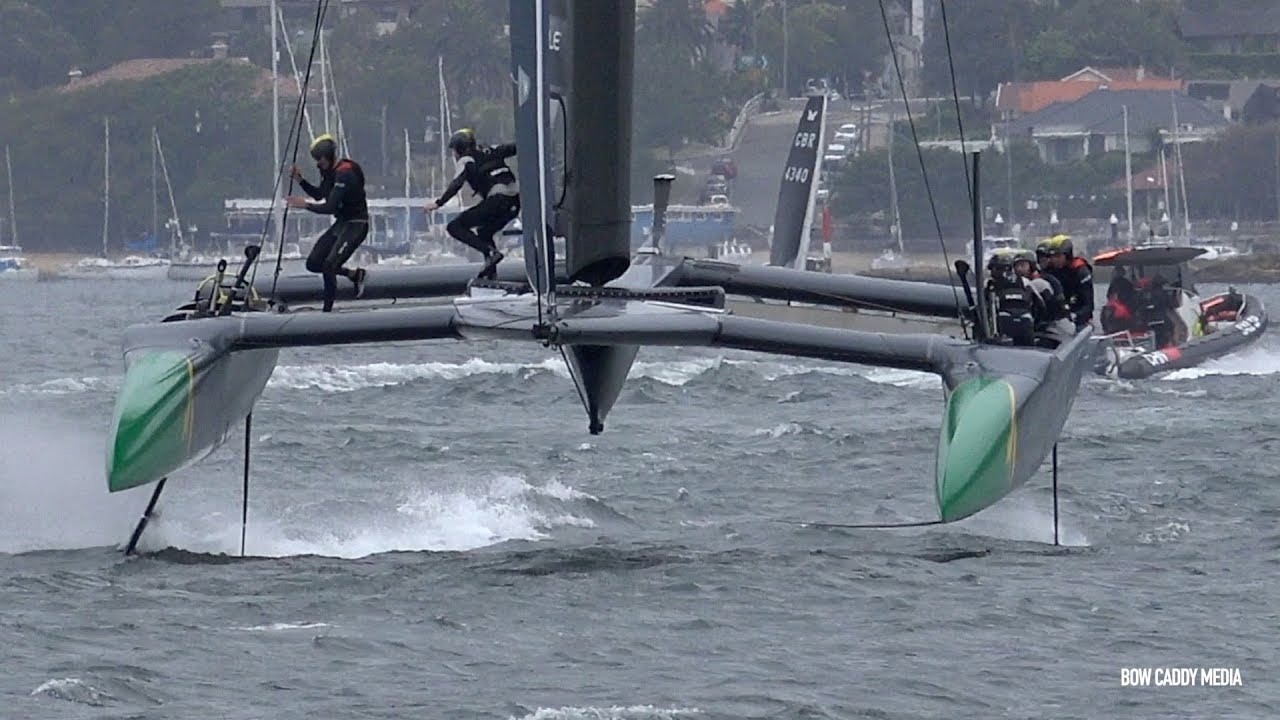
With the first round of the SailGP Series to be held on Sydney Harbour in 2 weeks time, we took the opportunity to catch Team Australia putting their boat through its paces.

0
0
0
785

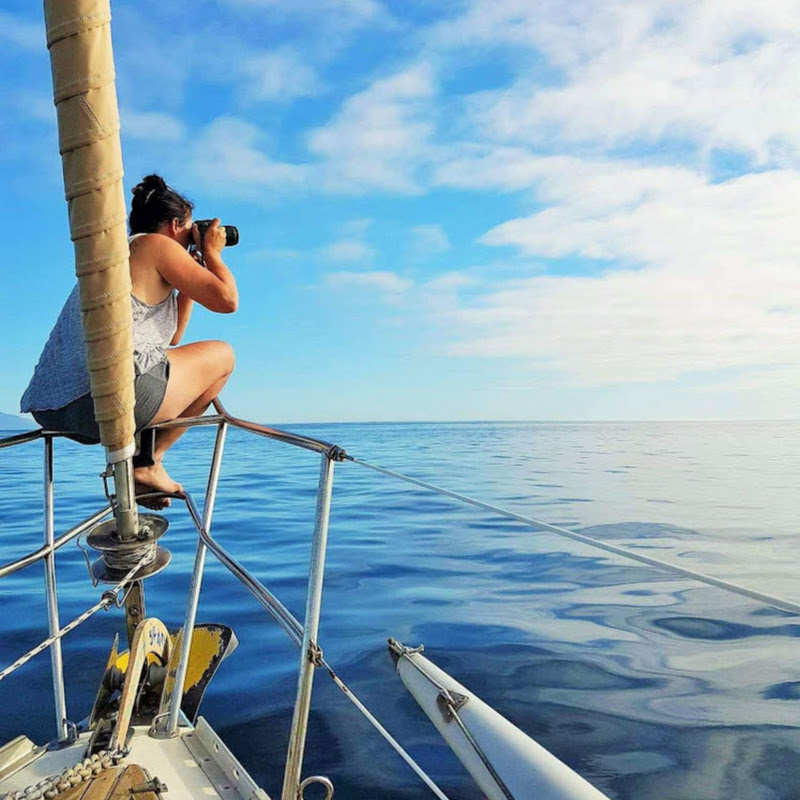
⛱News Express⛱ Le bout de quai était intenable. Ressac de plus en plus fort . On a pas dormi. Comme convenu, les pêcheurs sont partis à 3h du mat' (super discret, des mecs vraiment bien élevés). Nous, on a tenu une heure de plus puis on a dégagé vite fait avant que ça tourne mal. Méthode pour enlever les amarres quand le ressac est puissant : 1) démarrer le moteur et attendre que le voilier soit rappelé vers le quai 2) compter 1.2.3 et bondir ensemble sur le quai 3) aller chacune à son amarre, l'une devant et l'autre derrière 4) compter la série (comme avec une planche de surf quand c'est gros et qu'il faut passer la barre) et à la dernière vague, juste quand le voilier est rappelé au quai, profiter de l'instant de calme : 5) défaire nos amarres, bien synchro et vite fait 6) balancer tout dans le voilier puis courir et sauter sur le pont 7) passer la vitesse, mettre les gaz et se déhaler de ce maudit quai ... à nous le large, 4h du mat', nuit noire comme de l'encre, vent soutenu mais pas méchant, direction Pico ! En cours de route, quand le jour se levait, nous avons croisé de beaux dauphins qui faisaient des bonds au-dessus de l'eau, des vrilles dans tous les sens. Pas de films, pas de photos parce que ça bougeait et Fabienne a perdu sa GoPro par 1000 mètres de fond 😥 Là, nous sommes arrivées au Paradis ... alors, on en profite un peu 😀
0
0
0
165

0

0
0
0
2,135

The yellow stingray (Urobatis jamaicensis) is a species of stingray in the family Urotrygonidae, found in the tropical western Atlantic Ocean from North Carolina to Trinidad. This bottom-dwelling species inhabits sandy, muddy, or seagrass bottoms in shallow inshore waters, commonly near coral reefs. Reaching no more than 36 cm (14 in) across, the yellow stingray has a round pectoral fin disc and a short tail with a well-developed caudal fin. It has a highly variable but distinctive dorsal color pattern consisting of either light-on-dark or dark-on-light reticulations forming spots and blotches, and can rapidly change the tonality of this coloration to improve its camouflage. Relatively sedentary during the day, the yellow stingray feeds on small invertebrates and bony fishes. When hunting it may undulate its disc to uncover buried prey, or lift the front of its disc to form a "cave" attractive to shelter-seeking organisms. This species is aplacental viviparous, meaning that the developing embryos are sustained initially by yolk and later by histotroph ("uterine milk"). Females bear two litters of up to seven young per year in seagrass, following a gestation period of 5–6 months. Though innocuous towards humans, the yellow stingray can inflict a painful injury with its venomous tail spine. This species is taken as bycatch by commercial fisheries and collected for the aquarium trade; it may also be negatively affected by habitat degradation. Nevertheless, it remains common and widespread, which has led the International Union for Conservation of Nature (IUCN) to list it under Least Concern.

0
0
0
14