Welcome aboard to the our video site for sailors. We are being constantly blasted by scammers and pirates, so registration is invite only
contact@sailorsahoy.com with "Invite". No spam, no newsletters. Just a free account
Cortos crear

Race&Cruise partecipa con le sue barche alle principali regate dell'Alto Adriatico. Grandi emozioni per l'equipaggio di Kala Nag, 80 miglia sul percorso Caorle-Grado-Pirano (SLO) e ritorno in un solo fiato! Entra anche tu nel nostro Race and Cruise sailing team!

0
0
0
328

0

0
0
0
10,907
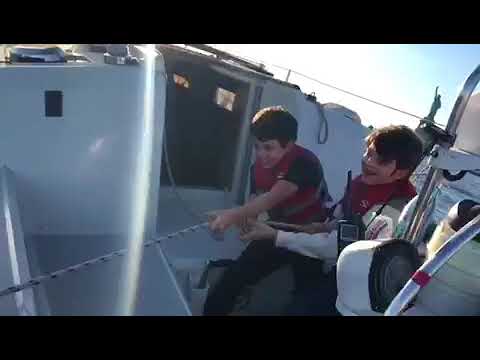
At Sailors NYC we believe that introducing children to sailing at an early age is important. At our week long sailing camp - led by Capt. Matt Codner - a sailing instructor who’s also a high school English teacher - we teach your child sailing skills as a method to teaching them life skills such as: safety, planning, problem solving, team work and more. Sign up your teen to our 2018 camps: www.sailorsnyc.com/camp2018

0
0
0
87

If you liked this video, give it a thumbs up and share it with your friends. 👍 Follow us on Instagram: https://www.instagram.com/dinghyracingchannel/ Join our Facebook community: https://www.facebook.com/DinghyRacingChannel/ Website: http://www.rya.org.uk Subscribe to the Dinghy Racing Channel: https://youtube.com/dinghyracingchannel?sub_confirmation=1 Want to get out on the water? Start your adventure: www.rya.org.uk/go/startboating

0
0
0
1,152
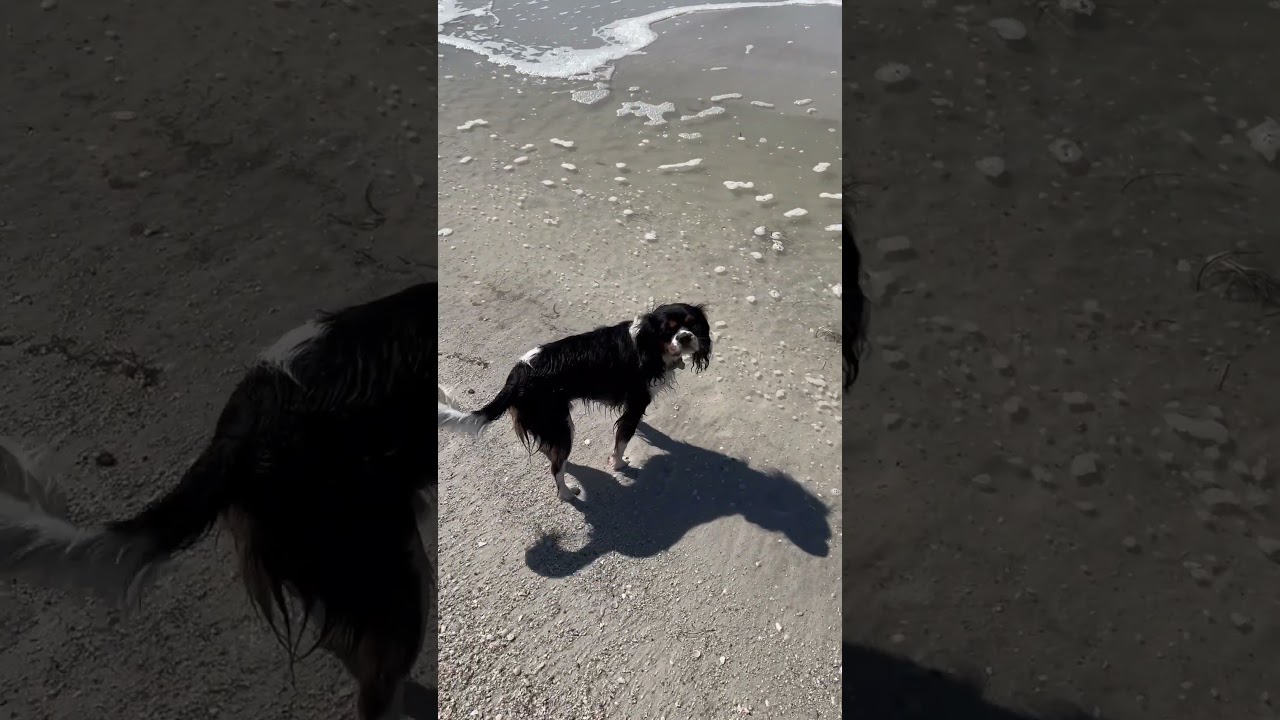
George is King and the baby in our pack family. He is the most favored by him mommy and is the only one that is able to go just about anywhere I go. He's just a baby and loves being at the beach with his mommy!

0
0
0
538

Check out more videos from Sea TV- Israeli sailing Mag & please do Subscribe for more. About the Channel (in EN): http://vid.io/xcC7 About the Channel (in HE): http://vid.io/xcLi Israeli regattas: http://vid.io/xcLq Tips & Tricks: http://vid.io/xclv Learn how to: http://vid.io/xcLo Nice moments: http://vid.io/xcLc http://vid.io/xcLv Beautiful places we've been: http://vid.io/xcLn Things we liked with the Boat2017 show: http://vid.io/xcLt Marina’s we would love to visit: http://vid.io/xcLr Art: http://vid.io/xcLp Sea TV website: http://vid.io/xcLd Like us on Facebook: http://vid.io/xcLx Instagram: http://vid.io/xcLb Share Sea Love! and keep it clean… Check out more videos from Sea TV- Israeli sailing Mag & please do Subscribe for more. About the Channel (in EN): http://vid.io/xcC7 About the Channel (in HE): http://vid.io/xcLi Israeli regattas: http://vid.io/xcLq Sell your Boat: http://vid.io/xclo Tips & Tricks: http://vid.io/xclv Learn how to: http://vid.io/xcLo Nice moments: http://vid.io/xcLc http://vid.io/xcLv Beautiful places we've been: http://vid.io/xcLn Things we liked with the Boat2017 show: http://vid.io/xcLt Marina’s we would love to visit: http://vid.io/xcLr Art: http://vid.io/xcLp Sea TV website: http://vid.io/xcLd Like us on Facebook: http://vid.io/xcLx Instagram: http://vid.io/xcLb Share Sea Love! and keep it clean… Check out more videos from Sea TV- Israeli sailing Mag & please do Subscribe for more. About the Channel (in EN): http://vid.io/xcC7 About the Channel (in HE): http://vid.io/xcLi Israeli regattas: http://vid.io/xcLq Sell your Boat: http://vid.io/xclo Tips & Tricks: http://vid.io/xclv Learn how to: http://vid.io/xcLo Nice moments: http://vid.io/xcLc http://vid.io/xcLv Beautiful places we've been: http://vid.io/xcLn Things we liked with the Boat2017 show: http://vid.io/xcLt Marina's we would love to visit: http://vid.io/xcLr Art: http://vid.io/xcLp Sea TV website: http://vid.io/xcLd Like us on Facebook: http://vid.io/xcLx Instagram: http://vid.io/xcLb Share Sea Love! and keep it clean… Check out more videos from Sea TV- Israeli sailing Mag & please do Subscribe for more. About the Channel (in EN): http://vid.io/xcC7 About the Channel (in HE): http://vid.io/xcLi Israeli regattas: http://vid.io/xcLq Sell your Boat: http://vid.io/xclo Tips & Tricks: http://vid.io/xclv Learn how to: http://vid.io/xcLo Nice moments: http://vid.io/xcLc http://vid.io/xcLv Beautiful places we've been: http://vid.io/xcLn Things we liked with the Boat2017 show: http://vid.io/xcLt Marina's we would love to visit: http://vid.io/xcLr Art: http://vid.io/xcLp Sea TV website: http://vid.io/xcLd Like us on Facebook: http://vid.io/xcLx Instagram: http://vid.io/xcLb Share Sea Love! and keep it clean… Check out more videos from Sea TV- Israeli sailing Mag & please do Subscribe for more. About the Channel (in EN): http://vid.io/xcC7 About the Channel (in HE): http://vid.io/xcLi Israeli regattas: http://vid.io/xcLq Sell your Boat: http://vid.io/xclo Tips & Tricks: http://vid.io/xclv Learn how to: http://vid.io/xcLo Nice moments: http://vid.io/xcLc http://vid.io/xcLv Beautiful places we've been: http://vid.io/xcLn Things we liked with the Boat2017 show: http://vid.io/xcLt Marina's we would love to visit: http://vid.io/xcLr Art: http://vid.io/xcLp Sea TV website: http://vid.io/xcLd Like us on Facebook: http://vid.io/xcLx Instagram: http://vid.io/xcLb Share Sea Love! and keep it clean… שייט 420 | מה זה 420? | איך מפליגים ב 420? שייט 420 | מה זה 420? | איך מפליגים ב 420?

0
0
0
2,442