Welcome aboard to the our video site for sailors. We are being constantly blasted by scammers and pirates, so registration is invite only
contact@sailorsahoy.com with "Invite". No spam, no newsletters. Just a free account
מִכְנָסַיִים קְצָרִים לִיצוֹר

0

0
0
0
21

When parking our dingy, we like to pull it fairly high up on the beach, but when the tide goes out, it can be a long haul to take it back to the water before we're able to row out to our liveaboard sailboat home. When we don't put an outboard motor on the dingy, we can drag it back to the water fairly quickly. On this day in Sansimion, after having some wine at the Hearst Winery, we had some fun with it.

0
0
0
829

- Toby Hodges explores below decks on the new Boreal 56 Check out the entire tour on our YouTube channel. ► Become a FREE SUBSCRIBER to Yachting World's YouTube page now - https://www.youtube.com/user/yachtingworld?sub_confirmation=1 ► For the latest reviews, new gear launches and tour news, visit our website: http://www.yachtingworld.com ► Like us on Facebook here - https://www.facebook.com/yachtingworldmagazine ► Follow us on Twitter at: https://twitter.com/yachtingworld ► Feel free to comment below! ► Remember to hit that LIKE button if you enjoyed it :)

0
0
0
787

0
0
0
787
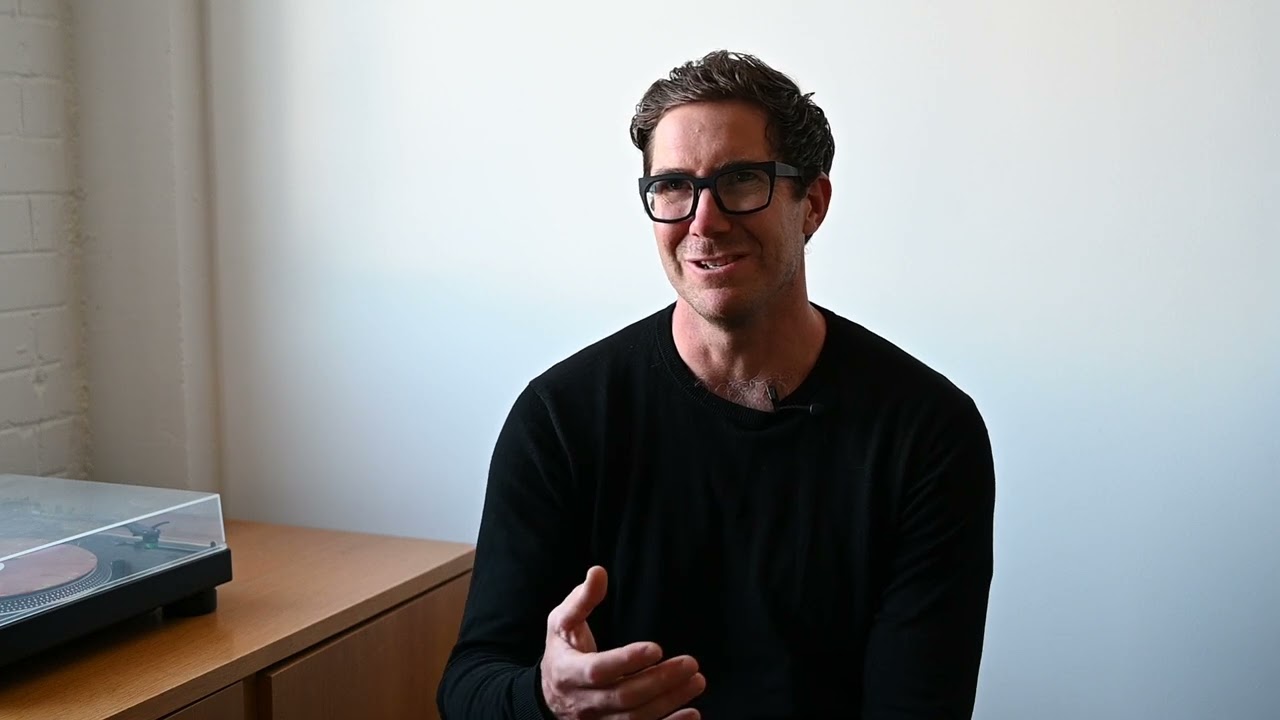
What kinds of boats does the Balmain Boat Company make? Hear from our Founder and Principal Designer Andrew Simpson.
0
0
0
23
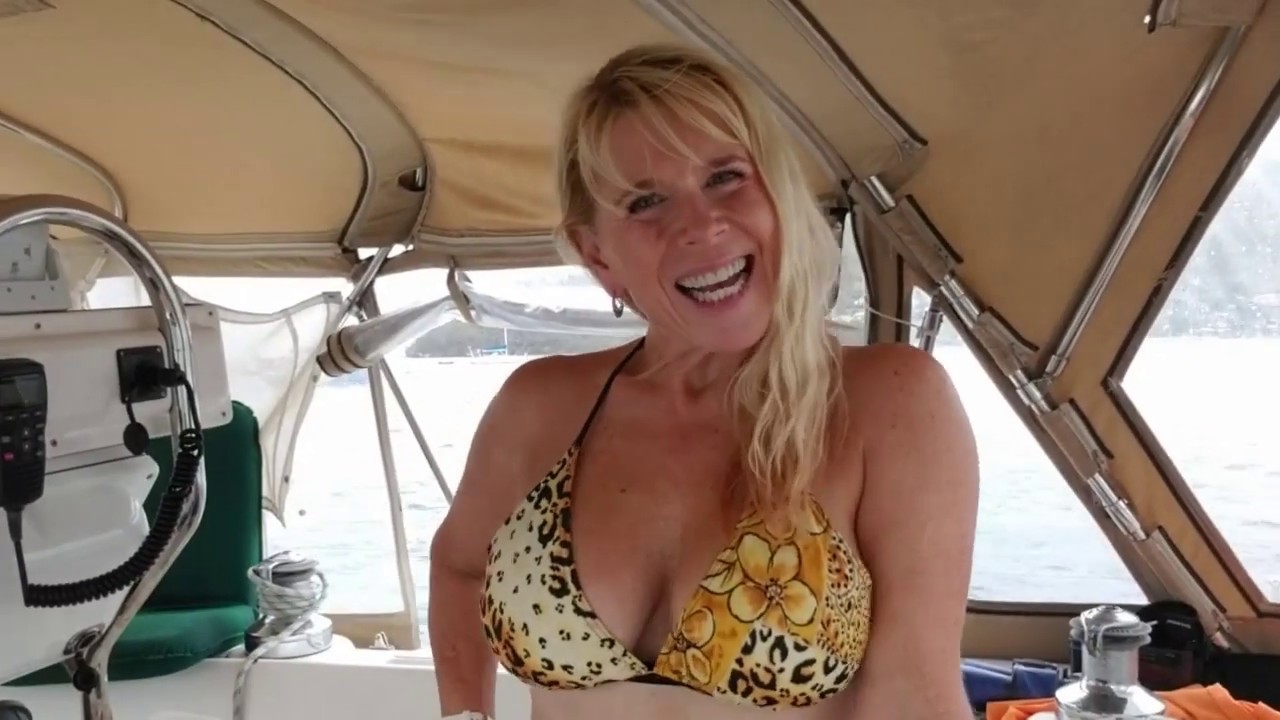
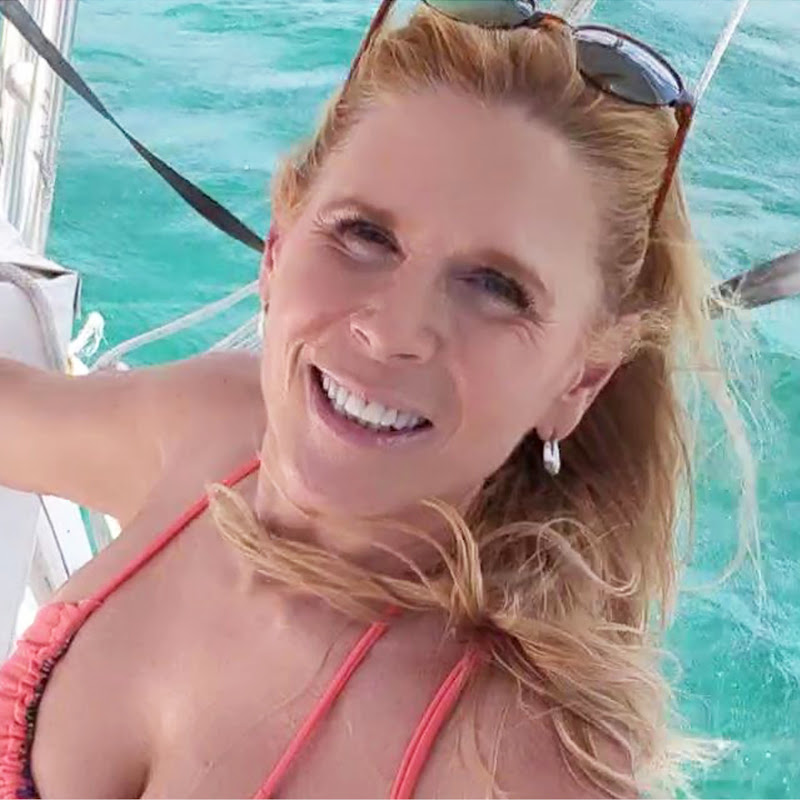
A personal thank you to all of our supporters and patrons. Please subscribe to our YouTube channel! Thanks so much for liking our videos. For an exclusive pass for uncensored videos and Members Only Access, you can pledge safely through Patreon or PayPal. For just a few $ per month gives you the good stuff! https://thecrabbycaptainandthesunnysailor.com/paid-patrons-members-only-access/ Patreon: https://www.patreon.com/crabbyandsunny View our website: https://www.thecrabbycaptainandthesunnysailor.com See us on Instagram @crabbycaptainsunnysailor Twitter: @crabbyandsunny Facebook @crabbyandsunny #thecrabbycaptainandthesunnysailor Music from https://filmmusic.io https://soundcloud.com
0
0
0
6,098