Welcome aboard to the our video site for sailors. We are being constantly blasted by scammers and pirates, so registration is invite only
contact@sailorsahoy.com with "Invite". No spam, no newsletters. Just a free account
Corti Creare

0
0
0
0
2,094

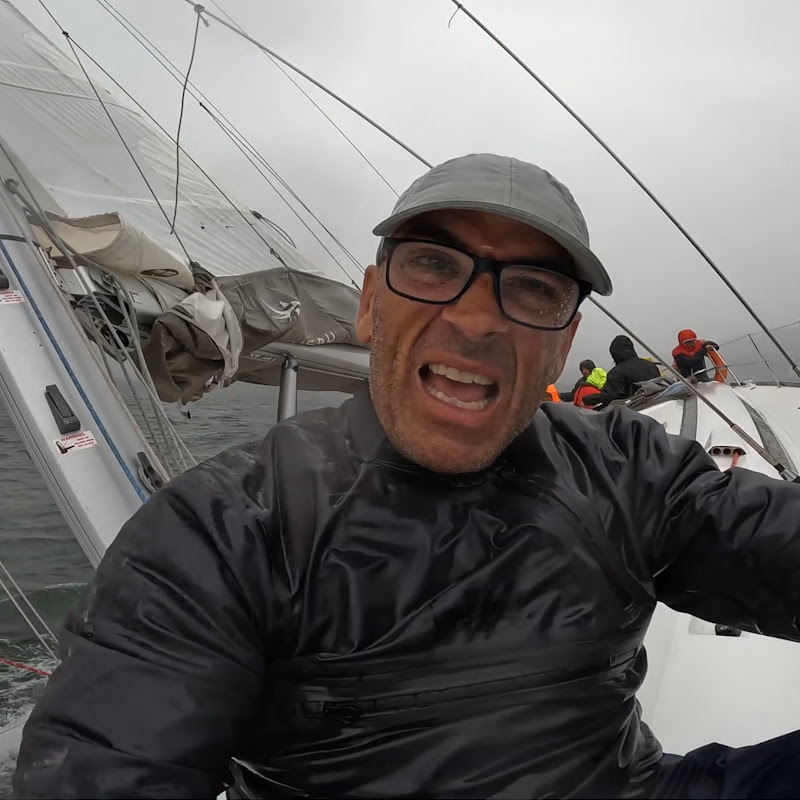
Porque navegar con vientos fuertes en el velero sun Odissey Gran Nergha ya se ha vuelto un clásico. No es que navegue solo con mal tiempo, si no que últimamente solo tenemos partes meteorológicos muy malos. A diferencia de otras academias, para mí es un placer salir a navegar con vosotros y enseñaros cómo tomar medidas de precaución ante una navegación con mala mar y fuertes vientos. Te animo a que vengas a navegar conmigo y así salgas de tu zona de confort y aumentes tu umbral del miedo. Desde el sofá se disfruta de la navegación, pero si de verdad quieres aprender, lo has de hacer navegando. Si te ha gustado el vídeo 𝐒𝐮𝐬𝐜𝐫í𝐛𝐞𝐭𝐞 𝐚𝐥 𝐜𝐚𝐧𝐚𝐥 👍 Así nos ayudas a generar más contenido para ti... los amantes de la navegación y del mar. Y si le das a la campanita 🔔 ya alucino... se nos caerán unas cuantas lagrimillas. También nos puedes seguir en otras plataformas: YouTube - https://www.youtube.com/channel/UCEj3jQf5L9r_LMk_oak6Tqw 𝐈𝐧𝐬𝐭𝐚𝐠𝐫𝐚𝐦 - https://www.instagram.com/sailingtxemacapitan_oficial 𝐓𝐢𝐤 𝐓𝐨𝐤 - https://www.tiktok.com/@sailingtxemacapitan 𝐅𝐚𝐜𝐞𝐛𝐨𝐨𝐤 - https://facebook.com/SailingTxemacapitan Linkedin - https://www.linkedin.com/in/txema-iglesias/
0
0
0
1,054
0

0
0
0
5,198

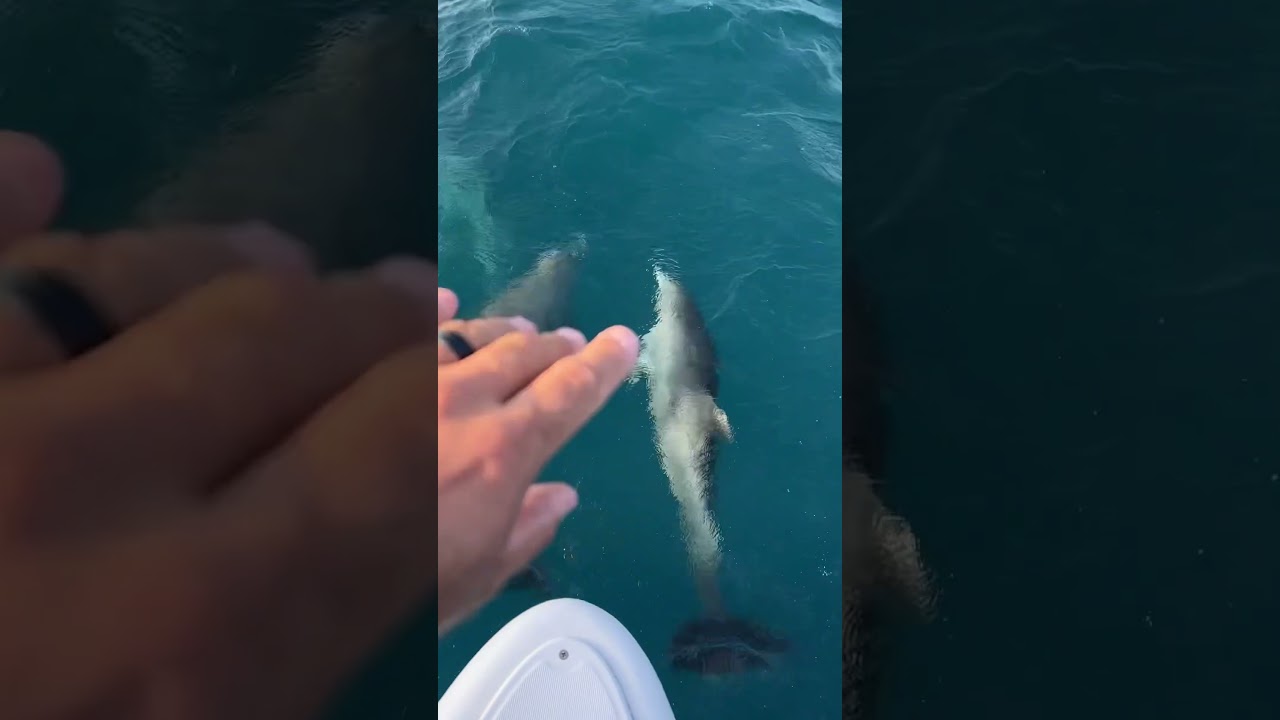
Sharing a day in our life from BE FREE in Panama #aroundtheworld #yacht #sailingadventure #sailing
0
0
0
6,703
0

0
0
0
86

Chris Eubank JR has fun playing around with a lion cub | Latest News Chris Eubank JR has fun as he plays around with a lion in Dubai Don't forget to subscribe our channel : https://www.youtube.com/channel/UCMeXexsaNlmbtjqC-dBTn9g?sub_confirmation=1 Facebook Link : https://www.facebook.com/King-News-Tv-1604243356545545/ Website Link : Kingnewstv.blogspot.com Google+ Link : https://plus.google.com/u/0/b/117447491043208284673/117447491043208284673

0
0
0
97