Welcome aboard to the our video site for sailors. We are being constantly blasted by scammers and pirates, so registration is invite only
contact@sailorsahoy.com with "Invite". No spam, no newsletters. Just a free account
Shorts Create

Jeder Segler kennt es: Das Austauschen von Leinen bei stehendem Mast. Als wir unser Boot im Frühjahr 2010 in Holland gekauft haben, waren die alten Leinen bereits seit vielen Jahren mumifiziert. Also neue gekauft, an die alten genäht - und los gezogen. Wenn man dann auf Widerstand stößt, sollte man auf keinen Fall weiter ziehen - sonst passiert DAS hier und beschert ne Menge Arbeit ... ;-) #Segelsofa 🔴 alle Folgen: https://www.youtube.com/playlist?list=PL8dKlqIamEwQ9cqebtHu7SGSUo0Zve-Lo 👍 Danke fürs Zuschauen! Dir gefällt das Video? Dann schreibe uns gern in die Kommentare und abonniere unseren Kanal: https://www.youtube.com/c/mavericksailing-live?sub_confirmation=1 ☕ Spendier' uns doch einen Kaffee: https://www.paypal.com/paypalme/mavericksailing 🤝 Werde Teil unserer Crew und erhalte exklusive Vorteile: https://www.patreon.com/themavericks 📚Unsere Bücher mit Signatur und unserem Bordstempel: https://www.the-mavericks.de/buch-kaufen ► Bücher: https://www.delius-klasing.de/author/detail/id/721 ► Facebook: https://de-de.facebook.com/ZuZweitAufSee ► Homepage: https://www.the-mavericks.de ► Instagram: https://www.instagram.com/maverick2911 ► Patreon: https://www.patreon.com/themavericks ► Paypal: https://www.paypal.com/paypalme/mavericksailing ► Twitter: https://twitter.com/johanneserdmann ► YouTube: https://www.youtube.com/c/mavericksailing-live?sub_confirmation=1
0
0
0
8,481


0
0
0
662
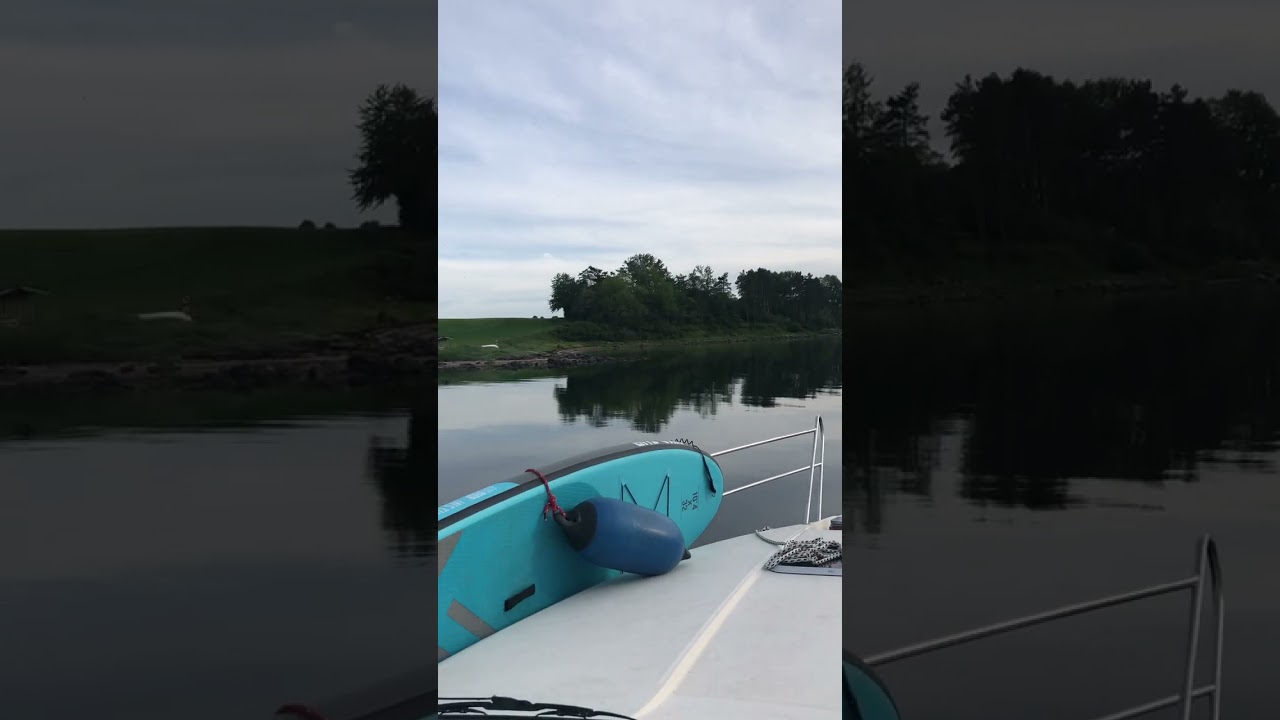
Motor boat - Både sælges, Marex 290 Sun Cruiser, 1995 DKK 510.000 Scanboat https://www.scanboat.com/en/boat-market/boats/motor-boat-marex-290-sun-cruiser-17489129

0
0
0
1,109

0

0
0
0
2,625

Beautiful beach on Washington Island ,@SailingGlacierGem

0
0
0
222

0

0
0
0
48