Welcome aboard to the our video site for sailors. We are being constantly blasted by scammers and pirates, so registration is invite only
contact@sailorsahoy.com with "Invite". No spam, no newsletters. Just a free account
Kurze Hose Erstellen
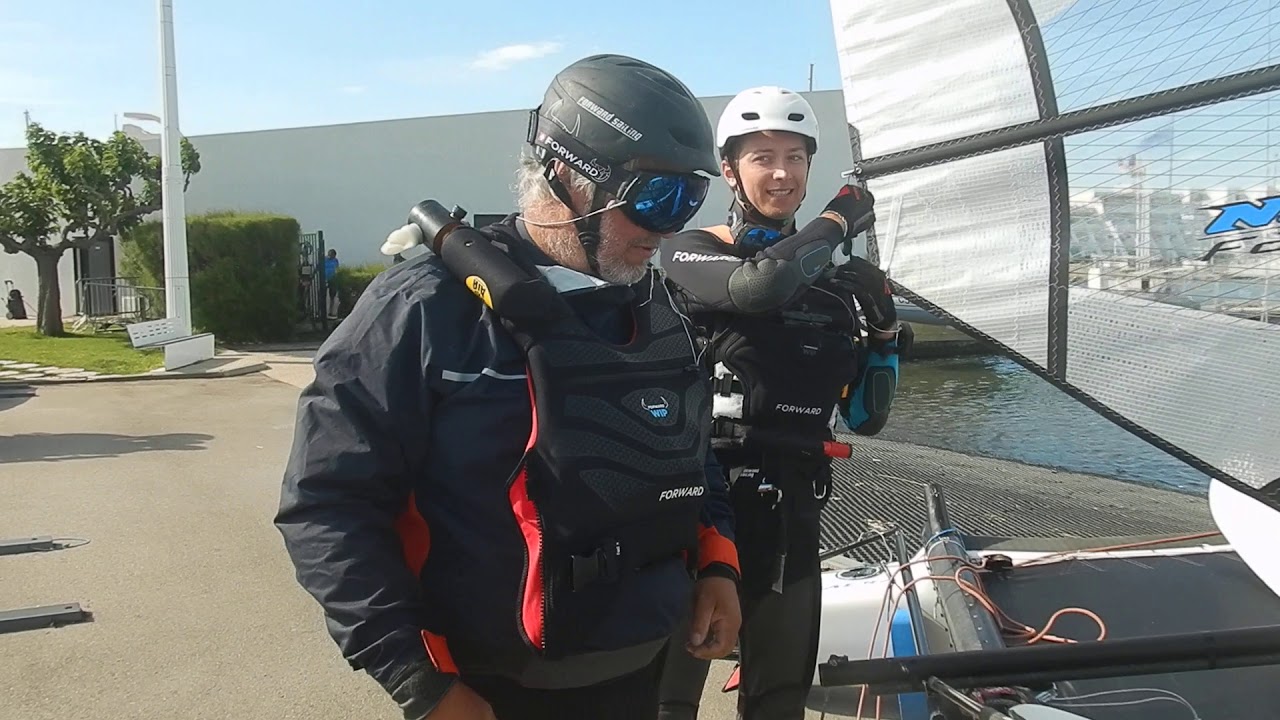
Yvan et Mathis Bourgnon se sont lancés sur le Run du Lion mercredi 10 juin pour établir un temps de référence dans la catégorie Cata de sport duo et pour établir un record overall suite au temps de référence établi le 9 juin par Kito de Pavant avec son monocoque 40' Made in Midi

0
0
0
82

#shorts Mr beast funny moments #shorts Mr beast funny moments funny game 😂#8 #shorts #mrbeast #shorts,mr beast funny moments,mr beast funny,mr beats,mr beats reactions,mr beast funs #shorts,mr beast funny moments,mr beast funny,mr beats,mr beats reactions,mr beast funs,mr beast song,mrbeast,mr beast,mr beast meme

0
0
0
10
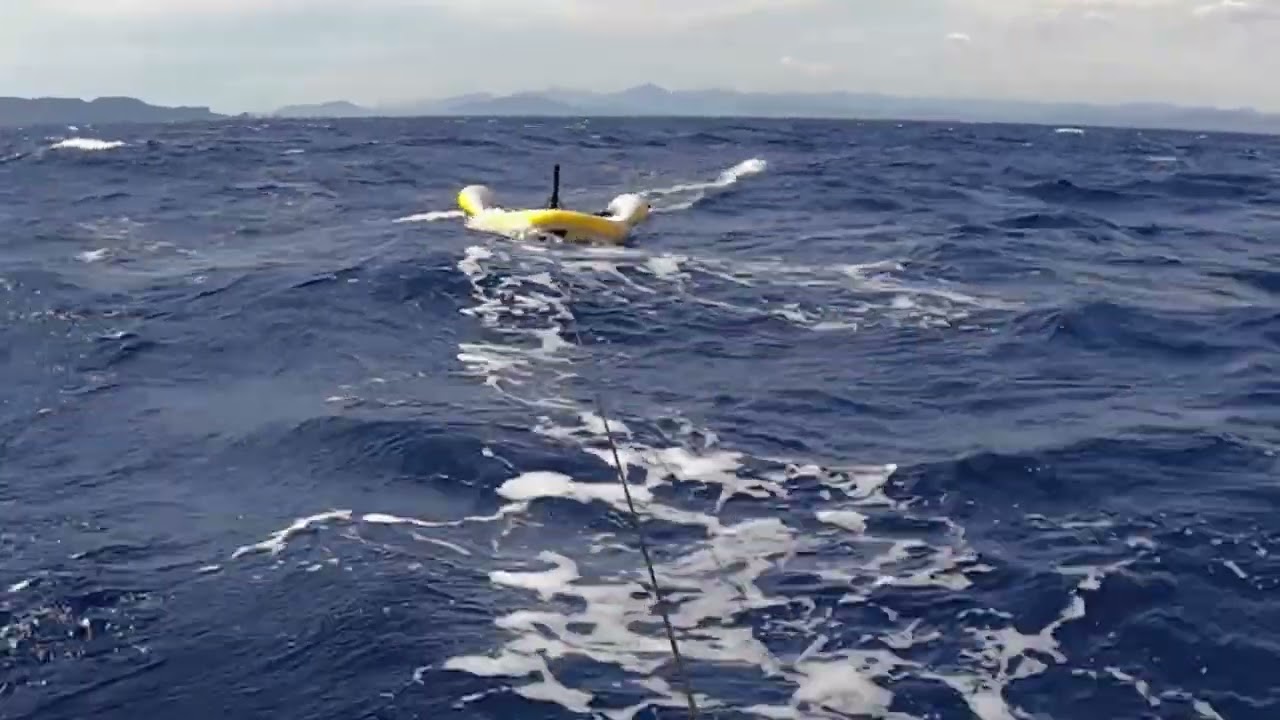
You can definitely tow an inflated Tiwal hull behind a sailboat or mortoboat, so you can move it without having to dismantle it completely, and enjoy it more quickly once you've arrived where you're headed. More info: https://tiwal.com/faq/towing-tiwal-behind-cruising-boat/ -------------------------- Subscribe for more Tiwal sailing videos : https://www.youtube.com/c/tiwal?sub_confirmation=1 Learn more about Tiwal and check out our Best Videos : https://www.youtube.com/playlist?list=PLp7rkGxzrxNpemhhNJ0kB8mHF9q0IZWBA -------------------------- ** The Tiwal 3 Sailboat ** The Tiwal 3 inflatable sailing dinghy comes in two bags that are easily transportable by car, boat and even by plane. This small inflatable sailboat is easily assembled in 20 minutes without any tools. Easy to handle, its sailing qualities will give you a thrilling experience. Very responsive, stable, and comfortable in light winds, the Tiwal 3 is dynamic in more challenging conditions. Whether you’re sailing solo or double-handed, it is perfect for your adventures at sea or on a lake! Boat of the Year Award | Best Innovation | by Sailing World U.S.A. "The thing was a blast. I couldn't believe how well it sailed. You could have some serious fun with this, especially in big breeze." -------------------------- ** The Tiwal story ** * The Birth of Tiwal * As a girl, the first time our founder Marion Excoffon was told, “No!” by her father when she asked to use the family boat, her life as an inventor began. It was then she started dreaming of building her own craft, an ambitious feat that would come true years later. On the road to creating an innovative high-speed vessel for everyone from kids and first timers to expert sailors who want to test limits, there were a number of prototypes, failures, challenges and headaches. But, if there’s one thing Marion’s known for, it’s her sailor’s grit! * Combining Fun & Technology * The award winning Tiwal concept is easy assembly and storage - maximum fun and performance for watersports and activities. A Tiwal isn’t your average dinghy! Our design is the result of tons of coordination, talent, and technological savvy. * A Growing Global Community * For our community of Tiwal skippers (more than 2,500 worldwide!) all this innovative design means their focus is fixed on the pleasures of watersports and having tons of fun on a responsive sailing craft. With excellent upwind and downwind abilities combined with high-speeds, Tiwals are a part of both fun and professional performance. The Tiwal 3 received the Boat of the Year (Best innovation) Award 2014 from Sailing World in the USA and the Red Dot Award, with recognitions, accolades, and smiling faces continuing to join together on the waves worldwide. Join us!

0
0
0
1,067

Испания зимовка в марине Альмиремар

0
0
0
1,743

Il nuovo Beneteau Oceanis 41.1 in navigazione a Palma con a bordo il suo progettista Pascal Conq

0
0
0
5,940

America's Cup Nations and Their Boats #sailing #boat #shorts

0
0
0
115