Welcome aboard to the our video site for sailors. We are being constantly blasted by scammers and pirates, so registration is invite only
contact@sailorsahoy.com with "Invite". No spam, no newsletters. Just a free account
Corti Creare

0

0
0
0
221

Die drei genannten Mikrofone findet ihr hier: *Mikrofon fürs Handy DJI Mic Mini: https://amzn.to/43bohuq *Mikrofon (Aufsteck) Rode Micro https://amzn.to/2QUfENM *Funkstrecke Rode wireless go II https://amzn.to/3kNuFB4 Wer sich für die unterschiedlichsten Gruppen, Vereine, Menschen und Organisationen in Sachen Umweltschutz interessiert, der sollte mal bei der Linkliste auf unserer Website vorbeischauen. Wer Vorschläge zur Ergänzung hat,.... her damit! https://klassiker-segeln.de/linkliste/ If you are interested in the various groups, associations, people and organizations involved in environmental protection, you should take a look at the list of links on our website. If you have any suggestions for additions,.... bring it on! https://klassiker-segeln.de/linkliste/ Ich freue mich über euren Besuch auf der neuen Seite klassiker-segeln.de, über Verlinkungen, Kooperationen etc. Ruft mich gerne an oder mailt mir: Mike Peuker info@klassiker-segeln.de Tel.: 0178 / 580 30 40 *Meine Stirnlampe mit Rotlicht: https://amzn.to/2P1jFPM *Verwendete Filmkamera Lumix GH4 https://amzn.to/2PMnkm6 *Verwendete Filmkamera Lumix G70 https://amzn.to/2P59ARB *Jackery Power Station: https://amzn.to/3D8XqEv *Verwendetes Objektiv https://amzn.to/2P0bsLD *variabler ND Filter https://amzn.to/2EC20cB *Drohne: https://amzn.to/2Y7pf72 * Manfrotto Videostativ https://amzn.to/362BfwI * Joby Gorillapod https://amzn.to/2FO1vAu Die mit * gekennzeichneten Links sind sogenannte Affiliate Links. Kommt über einen solchen Link ein Einkauf zustande, werde ich mit einer Provision beteiligt. Für Dich entstehen dabei keine Mehrkosten. Bei Fragen, Anregungen, Wünschen könnt Ihr gerne die Kommentarfunktion benutzen.
0
0
0
6,931

RED ARROWS Farnboroug AirShow show 2014

0
0
0
4

November 15th at 21:00 CET, only on Nautical Channel!
0
0
0
17


0
0
0
287
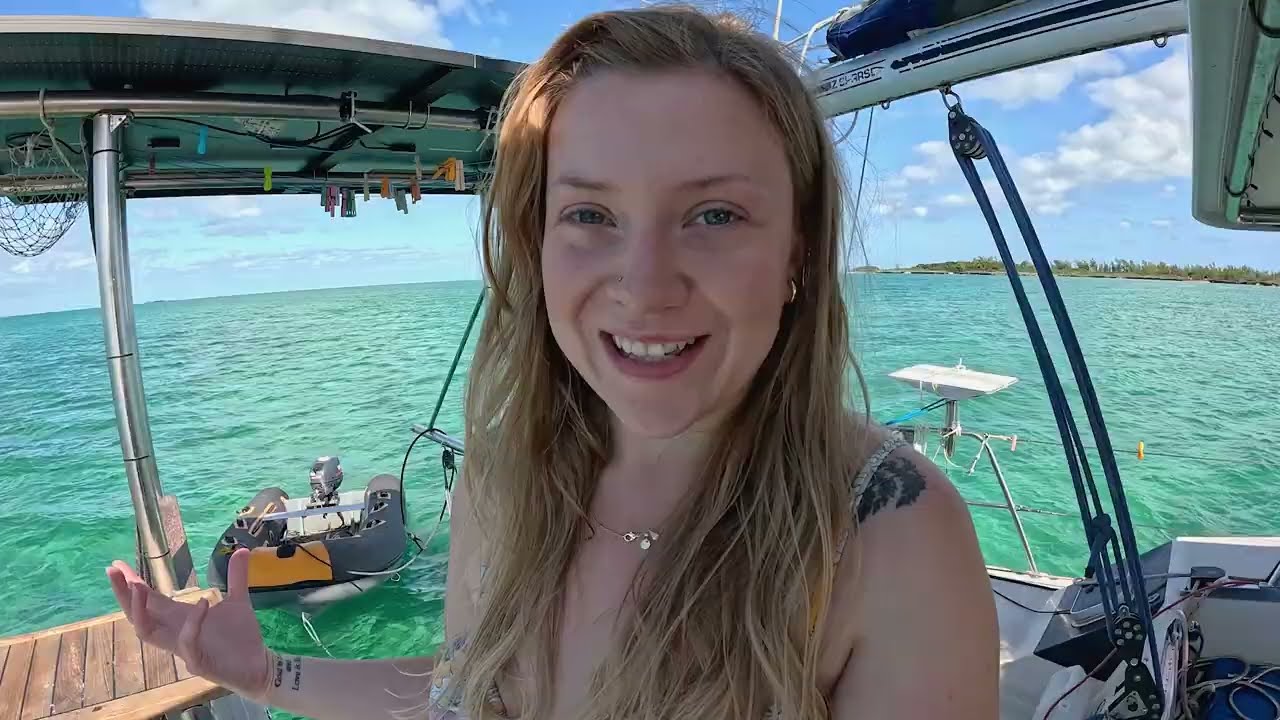
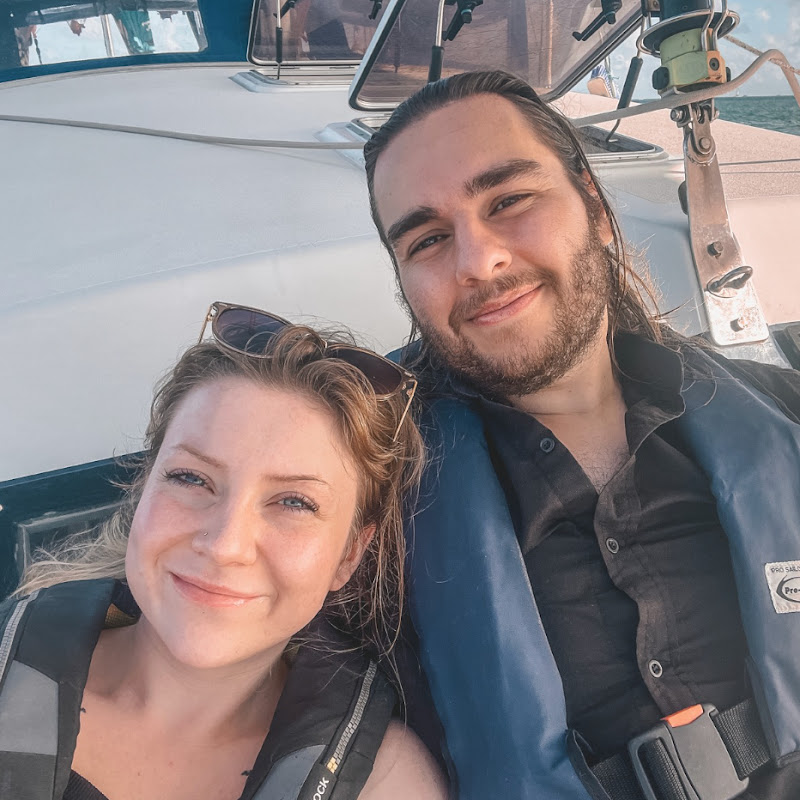
We have entered the Young Cruiser Awards under two categories! Most Inspirational: https://zealous.co/youngcruisersassociation/opportunity/Most-Inspirational-Cruiser-2024/submissions/michaelafarwick/Patrick-and-Michaela Best Youtube Channel: https://zealous.co/youngcruisersassociation/opportunity/Best-YouTube-Channel-2024/submissions/michaelafarwick/Patrick-and-Michaela-1 Although it does feel a little silly to claim most inspirational or best YouTube channel, we were just a little too big to try for "Up and Coming" YouTube channel as the cut off was 10,000, and we are at about 11,500 thanks to all of you amazing supporters! If it wouldn't be too much trouble, please head over and give us a vote! ~~~~~~~~~~~~~~~~~~~~~~~~~~~~~~~~~ Audio Credits Epidemic Sound: https://www.epidemicsound.com Song: April Sky (Instrumental Version) Artist: Ten Towers
0
0
0
2,973