Welcome aboard to the our video site for sailors. We are being constantly blasted by scammers and pirates, so registration is invite only
contact@sailorsahoy.com with "Invite". No spam, no newsletters. Just a free account
Celana pendek Membuat

WE'RE BACK!!!!! After a long break from the interwebs, we're coming back bigger and better! We have so many things coming up for you with a TON of changes. Stay tuned to find out what our new plans are and see exactly how we plan to escape this boat yard. Coming up on Season 2: - Dyneema Rigging - Rerigging a Mast - Building Custom Rudders - New Anchor Setup - DIY Watermaker - 13 Sails, still have to buy 2 - Building a Custom Hardtop / Solar Arch - Building a Custom Deck - Custom Acrylic Windows . . . And a lot more! So much Rapid Prototyping coming your way, we'll see everyone soon!

0
0
0
410
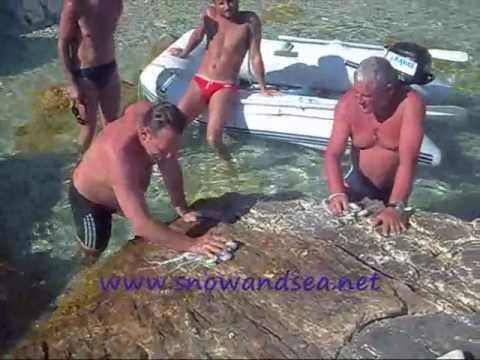
Crociere scuola vela in grecia, trasferimenti imbarcazioni, vacanze in barca per single, scuola vela a bari e patenti nautiche. www.snowandsea.net

0
0
0
236

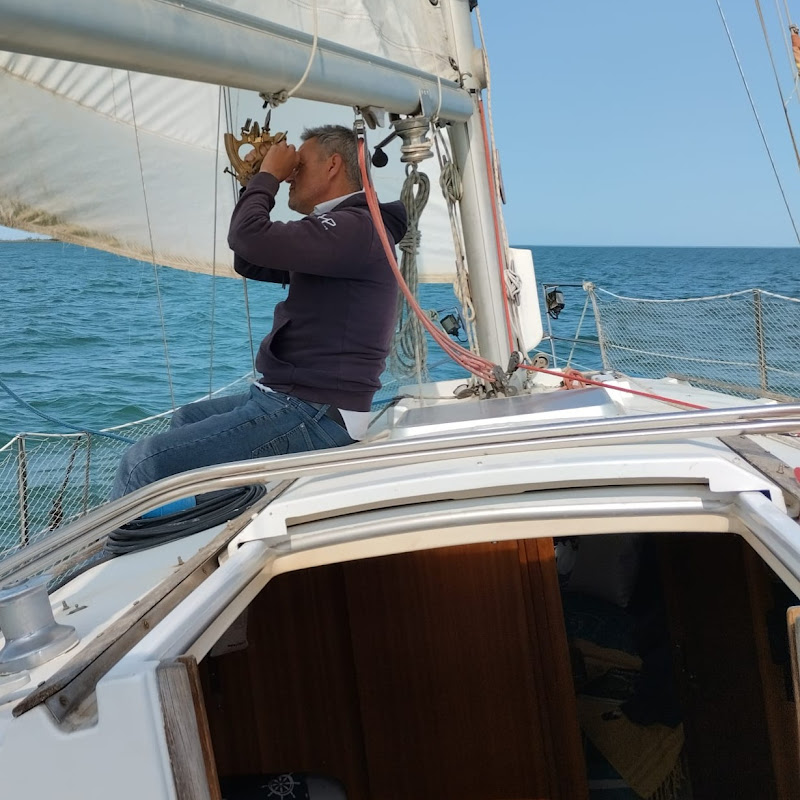
10-10-24 | â naviguer... "Las aventuras del Sr. Nilson" ☑ Suscríbete a este Canal → | https://goo.gl/98ZNzv
0
0
0
524
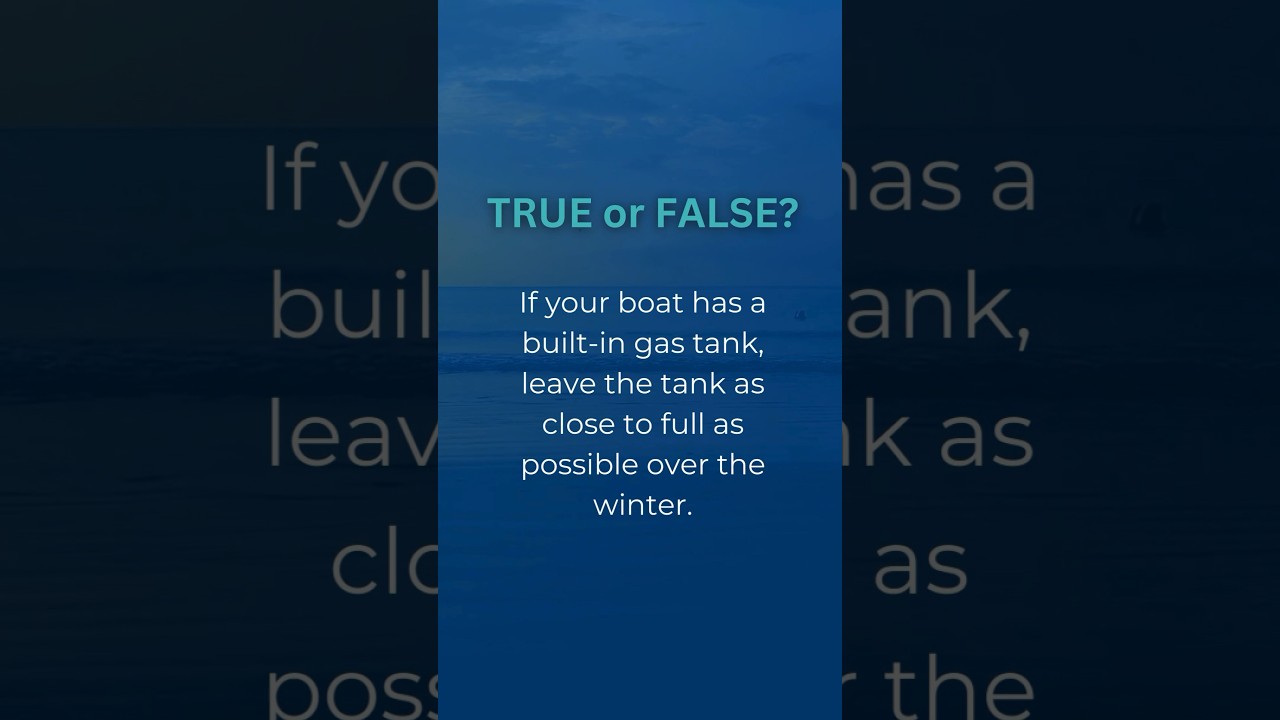
Should you store your boat over the winter with an empty fuel tank or full? Take the BoatUS boat winterization challenge! Discover whether you are a whiz at winterizing your boat properly or if you should change some things before it's too late. Visit https://www.boatus.com/winterize for time-tested boat winterization tips and techniques including a downloadable guide, dozens of articles, and links to videos and other resources. 🚩Enjoy this video? Become a BoatUS Member today to get 25+ valuable benefits including a subscription to award-winning BoatUS Magazine! https://boat.us/e/sy-join 🚩Visit the BoatUS Magazine website: https://www.boatus.com/Expert-Advice. BoatUS is the nation’s largest association of recreational boaters with more than half a million Members. We provide a diverse offering of services including marine insurance, on-the-water towing provided by TowBoatUS, the nation’s largest fleet, plus boat financing, graphics and lettering, representation for boaters on Capitol Hill, the award-winning BoatUS Magazine and much more. For more than 50 years, BoatUS has made boating safer, more affordable and more accessible. 🚩Download the FREE BoatUS App today to access NOAA marine weather, tides, exclusive Member discounts, and your BoatUS account. Assistance on the water has never been easier with TowBoatUS CONNECT in the BoatUS App — the fastest way to get a tow! https://boat.us/sy-app 🚩Connect with us: https://Facebook.com/BoatUS https://Twitter.com/BoatUS https://Instagram.com/BoatUS https://Tiktok.com/@boatusofficial https://Pinterest.com/BoatUS https://linkedin.com/company/boatus #boatus #winterize #winterizing #winter

0
0
0
739


0
0
0
13,348

🇫🇷 Alan Roura, à bord de Hublot, a été filmé depuis le navire d'exploration EXPLORIS ONE. De magnifiques vidéos capturées par Julien Méjean. 🇬🇧 Alan Roura, aboard Hublot, was filmed from the exploration vessel EXPLORIS ONE. Stunning videos captured by Julien Méjean. ------------------------ ➡️ SUIVEZ-NOUS ! // FOLLOW US ! 🔗 Website : www.vendeeglobe.org 📸 Instagram : https://www.instagram.com/vendeeglobe/ 🐦 Twitter FR : https://twitter.com/VendeeGlobe | Twitter ENG : https://twitter.com/VendeeGlobeENG 🕺 TikTok : https://www.tiktok.com/@vendee_globe 💻 Facebook : https://www.facebook.com/VendeeGlobe 💼 LinkedIn : https://www.linkedin.com/company/vendée-globe/

0
0
0
20,828