Welcome aboard to the our video site for sailors. We are being constantly blasted by scammers and pirates, so registration is invite only
contact@sailorsahoy.com with "Invite". No spam, no newsletters. Just a free account
شارٹس بنانا

Sailing has never been easier than with Guppy from MiniCat. From a bag in your car to instant sailing fun in just minutes. Check out Guppy. MiniCat - the world's favorite portable sailboat #myminicat #shorts

0
0
0
580

0

0
0
0
11

0

0
0
0
3

Silent 62 3-Deck Open | Main Deck

0
0
0
1,753

Navigating the infamous channel, in les Sables d'Olonne, thinking of what could have been while remebering Charlie Dalin, not easy moments for Sam Goodchild and the MACIF team #CourseAuLarge #Voile #Regate #Emotion #Charlie

0
0
0
218
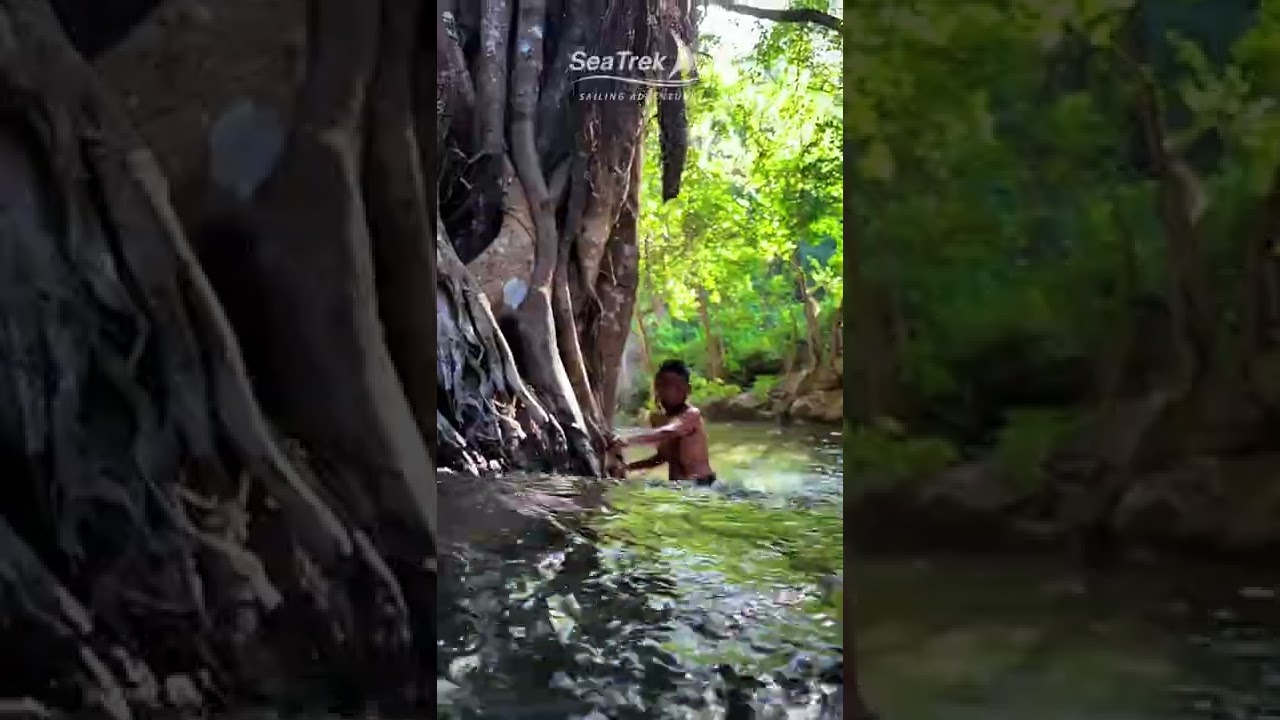
Thank you for watching 🦜 Indonesia through Indonesian eyes 🇮🇩 At SeaTrek Sailing Adventures we have made it our trademark to offer unique and authentic, small-ship cruising experiences that embrace the traditional wooden pinisi boat culture of Indonesia and the fascinating cultural and natural beauty that the remote part of this mighty archipelago in which we cruise has to offer. Check your cabins here: 🗺 Schedule | https://www.seatrekbali.com/schedule/ ⛵️ Website | https://www.seatrekbali.com 🙏🏼 Contact Us | info@seatrekbali.com FOLLOW / SUBSCRIBE: Facebook | https://www.facebook.com/Seatrekbali/ Instagram | https://www.instagram.com/seatreksailingadventures/ Twitter | https://twitter.com/Seatrekbali . #sailingadventures #sailingindonesia #jewelofrajaampat #spiceislands #ringoffire #phinisiboat

0
0
0
1,216