Latest videos

AC38 Preliminary #2 got off to a frustrating start as light and fickle winds left the fleet waiting for hours – and forced two races to be abandoned. But when the breeze finally arrived, the action came alive. ARC Team USA kept their cool to take a landmark victory in their first official race of the America’s Cup cycle, holding off Peter Burling’s Luna Rossa and GB2. Race 2 brought more drama as the breeze built to 18 knots. The French jumped the start before a dramatic nose dive and capsize ended their day, while Luna Rossa took control at the front and stretched away to another impressive win. Two very different races, a breakthrough American victory, a French capsize and plenty of high-speed action once the wind finally decided to play ball. Here’s how Day 1 of AC38 Preliminary #2 unfolded. CHAPTERS 01:51 Third Time Lucky 02:08 USA Takes Control 02:33 USA Strikes First 02:45 Inside USA’s Breakthrough Win 04:20 Race 2 – 18 Knots & Drama 04:26 French Capsize 05:20 Luna Rossa Takes Control 06:19 The Kiwis React 07:45 Day 1 Standings Facebook - @planetsail.org Website - www.planetsail.co.uk Linkedin - www.linkedin.com/in/matthew-sheahan Instagram - matthewsheahan

Practice day has given us our first real opportunity to watch the teams on the same waters ahead of the America’s Cup Preliminary Regatta — and to start looking for the early signs of form. Who looks settled? Who looks fast? And what, if anything, can we read into the performances before the racing begins? We take a snapshot of the fleet after practice and look at the first indications from Naples. Facebook - @planetsail.org Website - www.planetsail.co.uk Linkedin - www.linkedin.com/in/matthew-sheahan Instagram - matthewsheahan

America’s Cup racing comes to Naples this week, with the second preliminary event giving us our first real taste of what’s to come when the city hosts the America’s Cup in 2027. But what will an America’s Cup in Naples actually look and feel like — and what should you know if you’re planning to come next year? We take to the streets to experience Naples from an America’s Cup visitor’s perspective, before making the journey out to Bagnoli — the future heart of the event and home to the team bases and main America’s Cup centre. Right now, it’s very much a work in progress. We see Bagnoli as it stands today, get a sense of the scale of the transformation underway and take a first-person look at the huge waterfront site that will become the centrepiece of the 2027 America’s Cup. And then there’s one of the big practical questions for fans: how do you actually get there? Bagnoli is around six miles from the centre of Naples, so we make the journey ourselves and explore what getting to the Cup could involve. With racing taking place in Naples this week, this is our first look at the city that will host the America’s Cup next year — on the ground, as it is today, and with an eye on what awaits in 2027. CHAPTERS 00:00 America’s Cup Naples – First Look 00:44 Exploring Naples Ahead of 2027 01:44 Why Bagnoli Changes Everything 02:55 What Will Naples Be Like for the Cup? 03:38 Getting to Bagnoli 04:29 We Arrive at the America’s Cup Site 05:02 Bagnoli – The Future Home of the Cup 06:44 The Best Way Back to Naples 07:35 Why Naples Could Be Something Special 08:18 Preliminary Regatta #2 – What to Expect 08:50 The Teams Racing in Naples 09:52 Conditions & What’s Ahead Facebook - @planetsail.org Website - www.planetsail.co.uk Linkedin - www.linkedin.com/in/matthew-sheahan Instagram - matthewsheahan
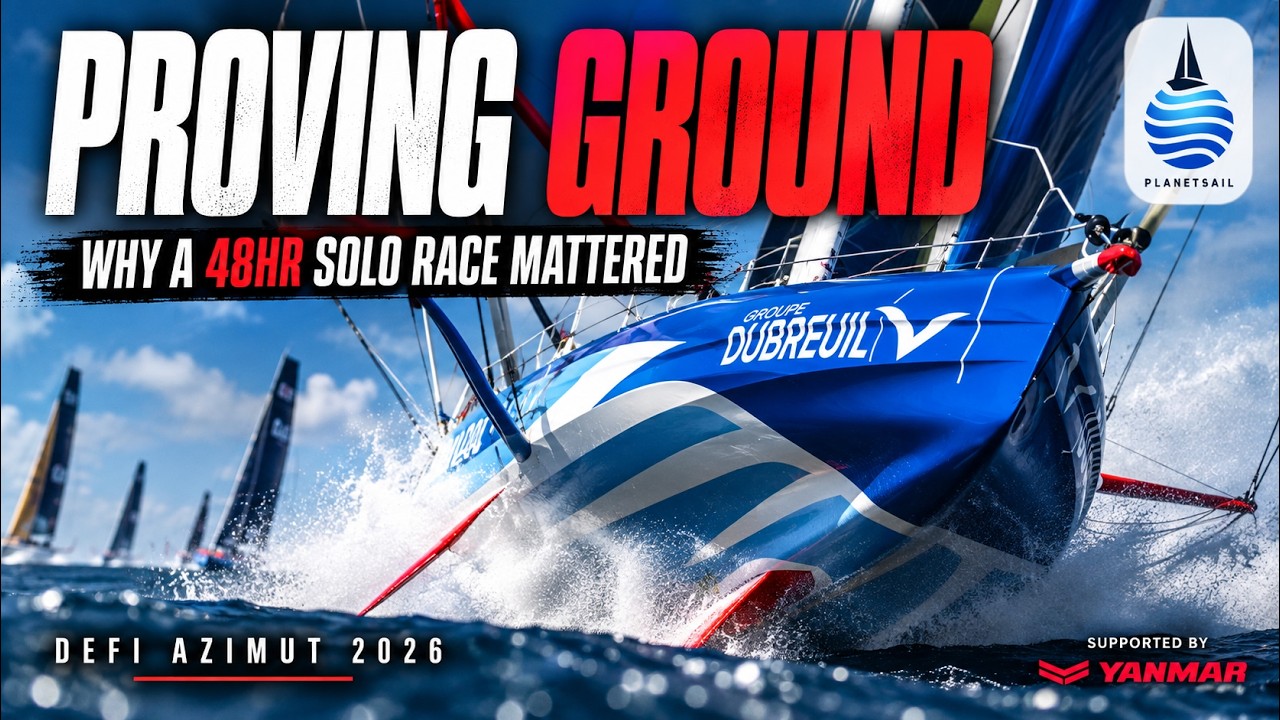
A new IMOCA cycle is underway and the Défi Azimut offered the first real glimpse of what could be coming. With new boats, heavily modified machines and some of offshore sailing’s biggest names lining up in Lorient, the 2026 Défi Azimut was far more than a showcase. The event began with the spectacular speed runs, where the 17-boat fleet completed 80 runs in just three hours. Sam Goodchild and MACIF Santé Prévoyance topped the rankings with an extraordinary average of 32.1 knots over the one-mile course — a new event record. Then came the main test: a 560-mile solo race into the Bay of Biscay. Goodchild once again set the pace, battling Ambrogio Beccaria, Jérémie Beyou, Corentin Horeau, Violette Dorange and a fleet packed with new and updated IMOCAs. After one day and 14 hours at sea, Goodchild crossed the finish line first before completing a dominant Défi Azimut with another victory in the Tour de Groix. But behind the results lies a bigger story. With the 2028 Vendée Globe cycle now underway and the Route du Rhum approaching, new boats, new names and a changing IMOCA pecking order are beginning to emerge. This is what the Défi Azimut revealed about the fleet — and why this short, intense event matters far beyond Lorient. 00:00 Why This 48-Hour Race Matters 01:47 IMOCA Speed Runs 02:56 Sam Goodchild Sets a New Record 03:50 560 Miles Solo in the Atlantic 05:18 The Race Turns Tactical 07:01 Winners, Rivals and What’s Next Facebook - @planetsail.org Website - www.planetsail.co.uk Linkedin - www.linkedin.com/in/matthew-sheahan Instagram - matthewsheahan
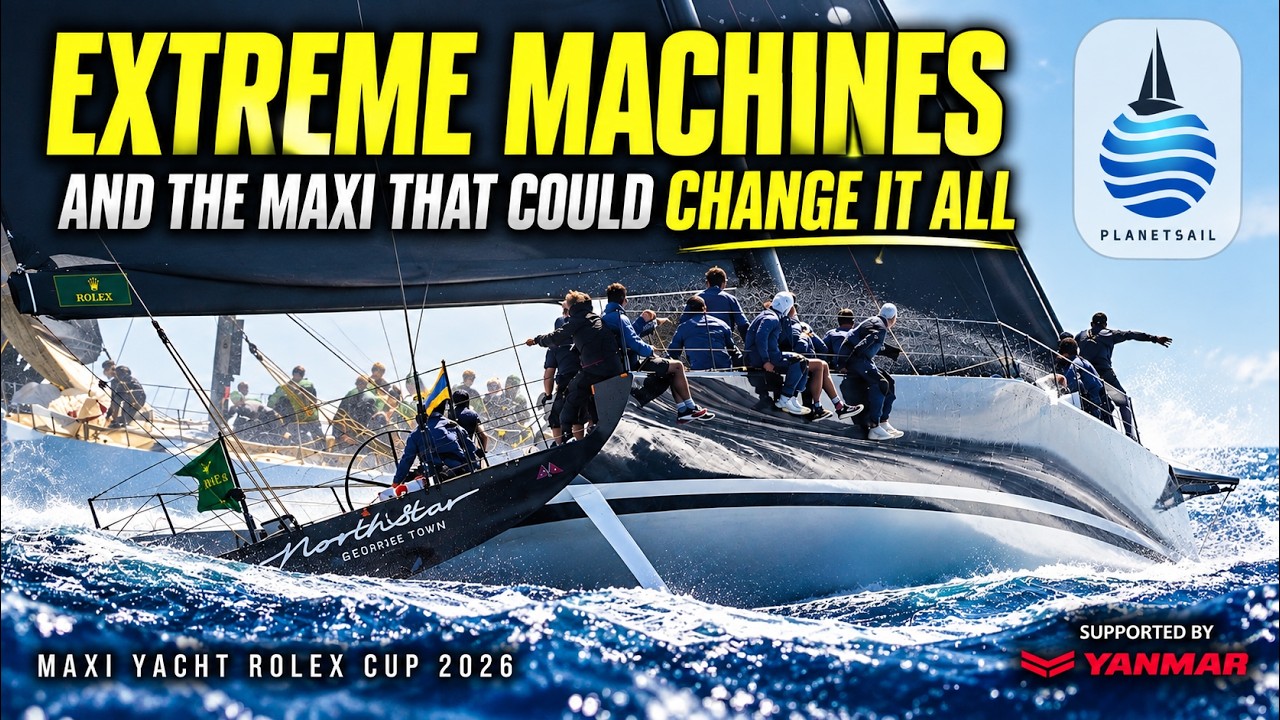
The Maxi Yacht Rolex Cup is one of the biggest showcases of high-performance maxi yacht racing and this year, one radical new arrival turned heads from the moment she hit the racecourse. This year the 2026 event attracted 50 yachts racing across six classes, including a multihull fleet as Porto Cervo once again brought together some of the most spectacular carbon-fibre racing machines in the world. But two yachts stood out. The all-new 76ft Judel/Vrolijk-designed North Star III arrived with an extraordinary specification. Developed and built in secret over two years, she features a canting keel, a fully powered deck layout with no conventional grinding pedestals, a twistable mast, a distinctive sunken deck and an innovative central pit pod. It’s an ambitious approach — and one that comes with the highest rating in the Maxi Grand Prix class. So, for her first event, there was one big question: would the gamble pay off? At the other end of the spectrum, the 19-year-old Leopard 3 proved that you don’t have to be new to attract attention. Continually reconfigured and refined throughout her career, she remains one of the most recognisable maxis in the fleet, with an impressive list of victories and records behind her. We take a closer look at the boats, technology and racing that made the 2026 Maxi Yacht Rolex Cup one to remember. CHAPTERS 00:00 Extreme Machines 00:29 The Heart of Maxi Racing 02:14 Inside the Grand Prix Fleet 03:22 NorthStar III: The Radical Newcomer 03:35 What Makes NorthStar III Different? 04:35 Would the Gamble Pay Off? 05:25 Leopard 3: The 19-Year-Old Legend 05:45 19 Years of Evolution 06:39 Has the Maxi Game Changed? Facebook - @planetsail.org Website - www.planetsail.co.uk Linkedin - www.linkedin.com/in/matthew-sheahan Instagram - matthewsheahan

A fast Atlantic sprint. Punishing conditions. Breakdowns, tactical reshuffles and a four-boat fight that went right down to the wire. But most of all, the big question on many people’s minds, are the new boats quicker? The Ocean Race Atlantic from New York to Lorient may have been short by IMOCA standards, but it delivered plenty of drama. Boris Herrmann’s Malizia saw their charge compromised after hitting something in the water and damaging the system controlling the port foil. Embrace the Challenge suffered a blown-out mainsail. And at the front, shifting winds and a high-pressure system compressed the fleet and turned the final stages into an intense tactical battle. With 11th Hour Racing, DMG MORI, Malizia and Paul Meilhat’s United by the Ocean fighting for the podium, crews pushed hard — even switching off the autopilot and steering by hand in search of every last fraction of speed. But there was another story playing out alongside the sprint to the finish. When the breeze was on and the sea state became more demanding, the pace of the latest boats offered a tantalising glimpse of what this new generation might be capable of. But, as the results rolled in the IMOCA form guide was still far from sorted . So, while the racing was closer than ever and went right down to the wire, the Ocean Race Atlantic delivered as many questions as answers at the end of the 3,000 mile sprint. CHAPTERS 00:00 The Final Sprint 00:40 Malizia’s Foil Problems 02:11 The Fleet Compresses 03:21 A Complicated Run to the Finish 04:58 Embrace the Challenge Strikes Back 05:44 Humans vs Autopilot 07:10 Four Boats, One Finish 07:27 United by the Ocean Takes the Win 09:00 The Rest of the Podium 09:42 What Malizia Learned 10:42 So, Are the New Boats Quicker? Facebook - @planetsail.org Website - www.planetsail.co.uk Linkedin - www.linkedin.com/in/matthew-sheahan Instagram - matthewsheahan
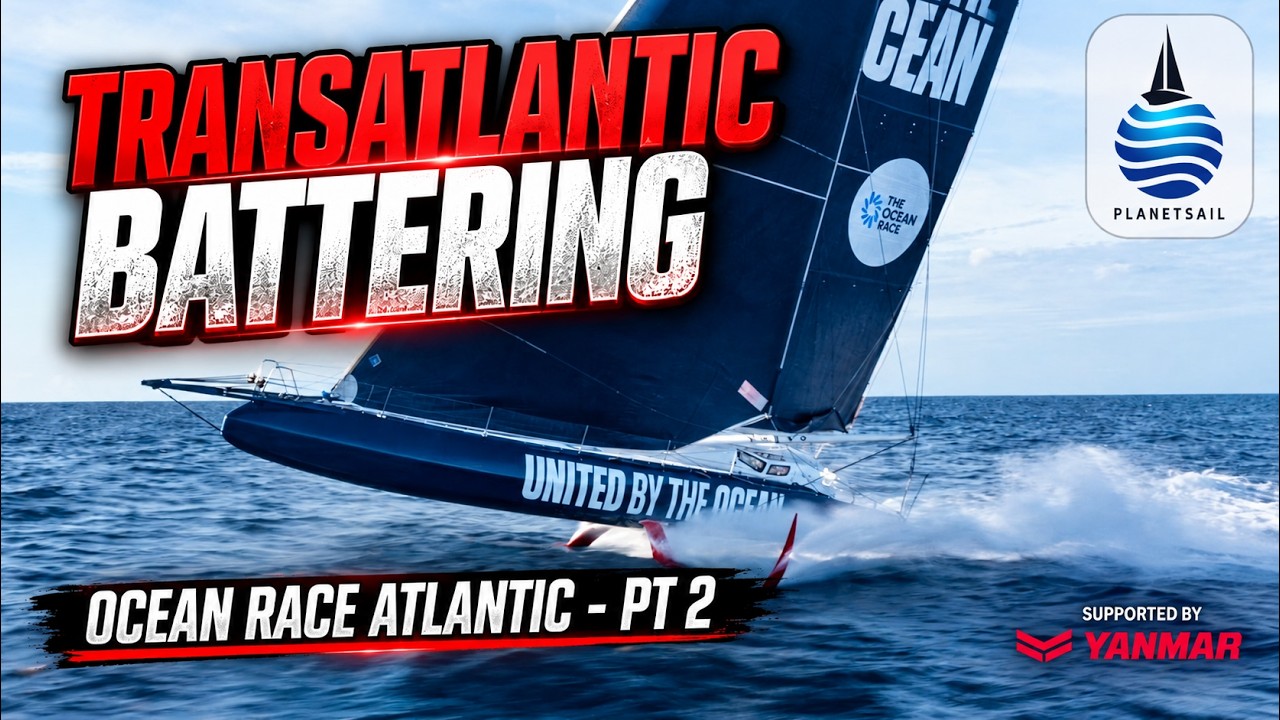
Brutal - The word crews have been using to describe the opening stages of the Ocean Race Atlantic. The upwind start was uncomfortable enough but then the fleet engaged with a weather system that looked capable of carrying them across the Atlantic. The catch? Sailing close to the trailing edge of a cold front, where strong breeze promises speed — but the wind direction and sea state don’t align. Most had the pace to stay with the system but few had the speed to break through the front into a more organised sea state where they could properly put their foot to the floor. The result: fast sailing, boat breaking seas and a relentless battering for the crews. Mid way across the Atlantic this 3,000 mile sprint was throwing everything at the the fleet. 00:00 A Brutal Start Across the Atlantic 01:02 Why the Weather System Is Punishing the Fleet 02:15 Malizia Hits an Object at High Speed 03:08 Holcim-PRB Suffers Mainsail Damage 04:04 11th Hour Racing Takes the Lead 05:10 United by the Ocean Shows Its Pace 06:14 Sam Davies Pushes DMG MORI Hard 06:49 MSIG Europe Falls Out of the Weather System 08:38 The Fleet Hits the High-Pressure Ridge 08:50 A Huge Compression and Race Restart 10:07 The Winning Boots Come Out 10:48 Why This Atlantic Crossing Is So Tough Facebook - @planetsail.org Website - www.planetsail.co.uk Linkedin - www.linkedin.com/in/matthew-sheahan Instagram - matthewsheahan

The new generation of IMOCAs is here — but how fast are they really? The Ocean Race Atlantic provides the first major test as a fleet of brand new cutting-edge and modified IMOCA 60s takes on a 3,000-mile transatlantic sprint from New York to Lorient. Among the boats attracting plenty of attention are Boris Herrmann’s new Malizia and Kojiro Shiraishi’s DMG MORI — two of the latest designs pushing the IMOCA rule in their search for even more offshore performance. But they’re not alone. New boats, extensively reworked existing designs and teams preparing for everything from The Ocean Race to the Vendée Globe, fully crewed, double handed or solo, there are plenty of unanswered questions about how this new generation will stack up. So, it has been no surprise that there is a great deal of interest in this major offshore race as some of the new breed crossed the start line for the transatlantic sprint. In Part 1 of our Ocean Race Atlantic coverage, we take a closer look at the boats and teams lining up in New York as they headed out into the Atlantic.

From a 15-year-old's first race in 1970 to over 50 years of sailing! Discover why the Bayview Mackinac Race is hailed as the best long-distance challenge, unlike any other. 🔗 Watch the full video: https://youtu.be/Y7HJtbsH6-E #Sailing #MackinacRace #Yachting #OceanSailing #BayviewMackinac

Older than the Super Bowl and NBA, this freshwater race takes 2-3 days. If you haven't guessed it, here are some clues 🔗 Watch the full video: https://youtu.be/Y7HJtbsH6-E #OffshoreRace #Sailing #Michigan #History #Sports

The Chicago–Mackinac is a 330-mile offshore sailing race across Lake Michigan — and one of the great yacht races in the world. Hundreds of boats head north from Chicago to Mackinac Island. It’s the largest annual offshore in the world, it started over 120 years ago and yet very few people have heard of it. It’s a race that can throw almost anything at its competitors: violent squalls, glassy calms, intense heat, freezing nights and torrential rain — sometimes all in the same day. The Chicago Yacht Club Race to Mackinac has built a fiercely loyal following. For many sailors, doing it once simply isn’t enough. Twenty races is commonplace. Some competitors have completed more than twice that number. The race has produced remarkable performances, unforgettable stories and, over its long history, moments of tragedy. All have contributed to the reputation of one of America’s great sailing events. Yet outside the Midwest sailing community, surprisingly few people know much about it. So PlanetSail headed to Chicago to follow the fleet, meet the people who return year after year along with some of those doing it for the first time to discover what makes the Chicago–Mackinac Race so special. And we’re very glad we did. This is the Chicago–Mackinac Race, one of sailing’s great offshore adventures, hiding in plain sight.

It’s no secret that the world’s most famous regatta has been having a tough time in recent years, many other events around the world have been too. But not many other events were thinking about how to make their 200th regatta one to remember. Fortunately, among the many thousands of competitors who have at some point or repeatedly felt the draw to the Solent for a week of racing in the middle of the UK summer, a large number had already put the date in their diary. And for once, the weather showed up as well to help create a spectacular event. In fact, so good that there were more stories than we had time to tell straight away. So, in the first of a number of features, here’s our opening thoughts, and more importantly those of a wide range of competitors, on some of the things that made the 200th edition of Cowes Week so special.

After years spent chasing carbon fibre, foils and cutting-edge yacht design, the regular lure of polished timber, gleaming varnish and the unmistakable elegance of classic yachts is proving impossible to ignore. The British Classic Yacht Club Regatta in Cowes is about much more than the racing. This year's regatta brought together an extraordinary fleet of 42 yachts, from the diminutive Stella class to the magnificent 12 Metre Miquette while the oldest yacht, Dorothy, built in 1894, shared the water with Bel Canto, launched in 2022, proving that classic yachting is as much about preserving history as it is embracing the classics of the future. But even then, the British Classic Yacht Club Regatta in Cowes is about far more than competition around the cans. Every race is matched by the equivalent social event ashore where owners and crews swap experiences, admire the remarkable fleet and share the stories behind these extraordinary yachts. Because every yacht here had a classic story to tell....and we were there to hear them.

SailGP returned to Portsmouth in near-perfect conditions—sunshine, strong breeze, short rigs and spectacular foiling just metres from the shoreline. But while the weather looked familiar, the racing told a very different story. The new split-fleet format delivered tighter competition and further evidence that the days of a handful of dominant teams may be over. We look back at the key moments from both days of racing, the performances that mattered most, and who came out on top in the final. We also talk to Los Gallos driver Diego Botin and the man at the wheel aboard Artemis, Nathan Outteridge who both share their thoughts on the new format and the increasingly competitive SailGP fleet. Plus, we have another helping of Docktalk.

Thought this offshore race would be a simple start-to-finish. Now we're on a road trip, editing on the go, and racing the fleet from a car! It's surprisingly exciting. #OffshoreRace #RoadTrip #BehindTheScenes #RaceCoverage
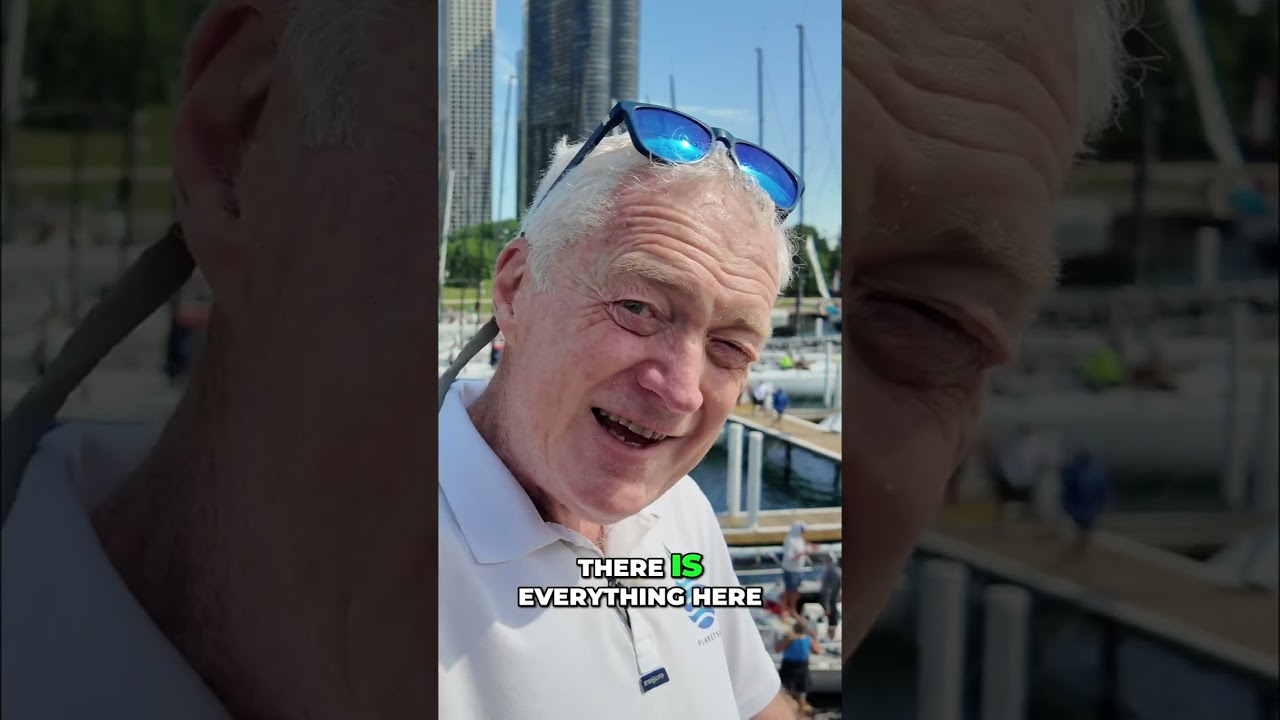
The legendary Chicago Mackinac Race is back! Witness a diverse fleet, including iconic Santa Cruz 70s, set sail for the ultimate 300-mile challenge. #ChicagoMac #Sailing #YachtRacing #MackinacIsland #OceanSports

How does one of the world's greatest yacht builders build luxury boats in such an unlikely location?
A small town of just 20,000 people, a harbour that’s frozen for 4 months, temperatures that can plunge down to -30°C and a location that just 300km south of the Arctic Circle, the list of reasons why you wouldn’t set up a boat yard here is long and compelling. Everything about the location says this shouldn't work, but everything about their boats says it does. Because Nautor Swan has not only thrived at its remote location, but the Finish based company is one of the longest running and best known names in the yacht building world. So, as Nautor Swan approached its 60th birthday we headed up to Jakobstad, home to Nautor Swan to see what makes this company tick and how they build boats. Plus, we serve up some more Docktalk with news of a new design aimed at the Admiral's Cup and Henri Lloyd's big step forward. DOCKTALK 25:46 Reichel Pugh - Admiral 42 26:51 Henri Lloyd
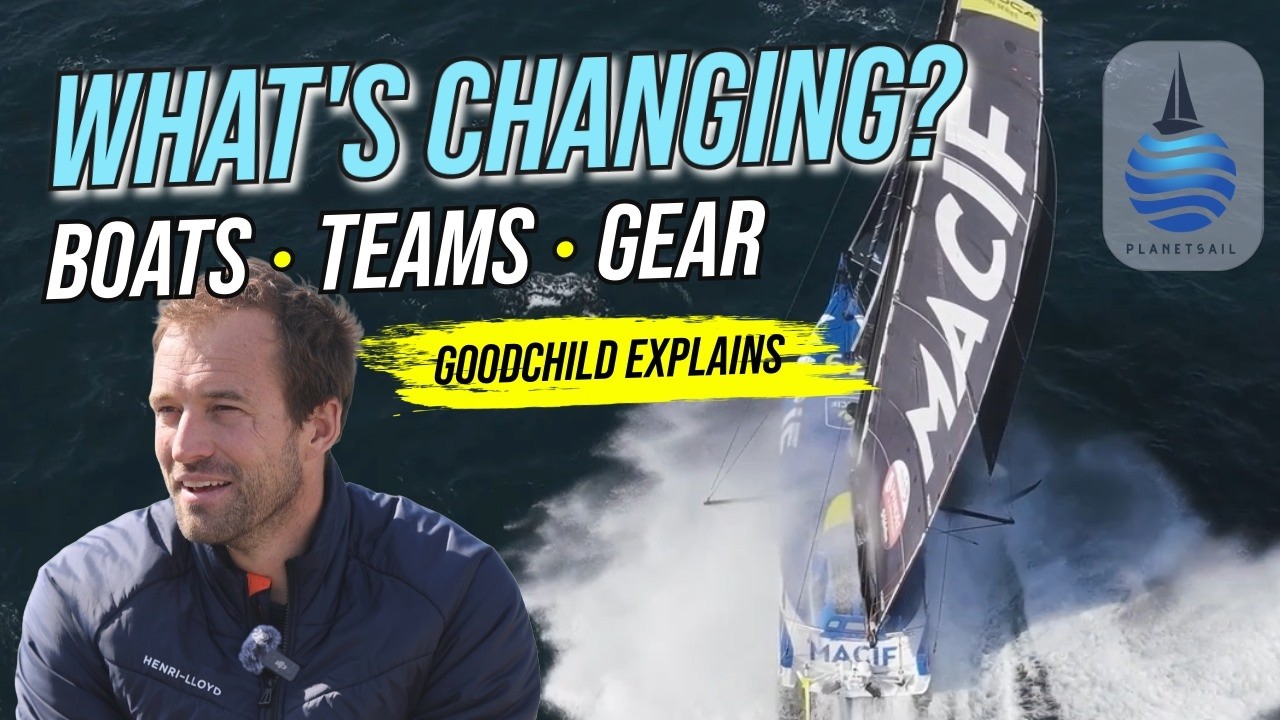
The next Vendée Globe isn't until 2028 but the next cycle is well underway with plenty of activity ashore and afloat. New boats are being wheeled out of the sheds and existing ones re-configured. Some like Sam Goodchild and the Macif campaign have the advantage of a highly competitive boat that won the last race to continue training on while they refine their next launch. And those new launches are going to attract a lot of attention as we find out what designers and teams have had their eyes on when it comes to making these blisteringly quick machines even quicker. In short, it's busy times in the IMOCA scene so we dropped in on Goodchild in Port La Foret on the west coast of France to get an update on what's going on in the scene. With the transition to indoor sailing now an established part of a modern IMOCA and with Goodchild's close involvement with Henri Lloyd, we also asked him to explain how the demands of indoor/outdoor sailing aboard the current 60 footers is influencing the kind of clothing they now need. Plus, we scoop up another helping of Docktalk with news from three of the deck gear gurus, Rondal, Spinlock and Allen Brothers. DOCKTALK 16:12 Rondal 17:23 Spinlock 18:24 Allen Blocks

Francesca Clapcich does things differently. Her current goal is the 2028 Vendée Globe and yet contrary to many of those who have either completed or are aiming to do the race, she says the non-stop race around the world was never her dream. Instead she has competed at many of the world's biggest sailing events from the Olympics to the Women's America's Cup and was part of the crew that won the fully crewed Ocean Race around the world aboard 11th Hour Racing in 2023. The message is clear, Clapcich' experience is as broad as it is deep and it this that she is drawing on in her current campaign to compete in the next Vendée Globe. Matt Sheahan caught up with her a couple of days before she set out on her first solo offshore race in an IMOCA as she took on the 1000 Race. He spoke to her again at the start of the Vendée Arctique (https://youtu.be/AIN4cASjqtk) but it was clear that there was far more to Clapcich than we could include in that episode. So, for those who'd like to know more about the offshore sailor who does things differently, here's the full, unedited, unfiltered version of Matt's one to one chat with Francesca ahead of the 1000 Race.
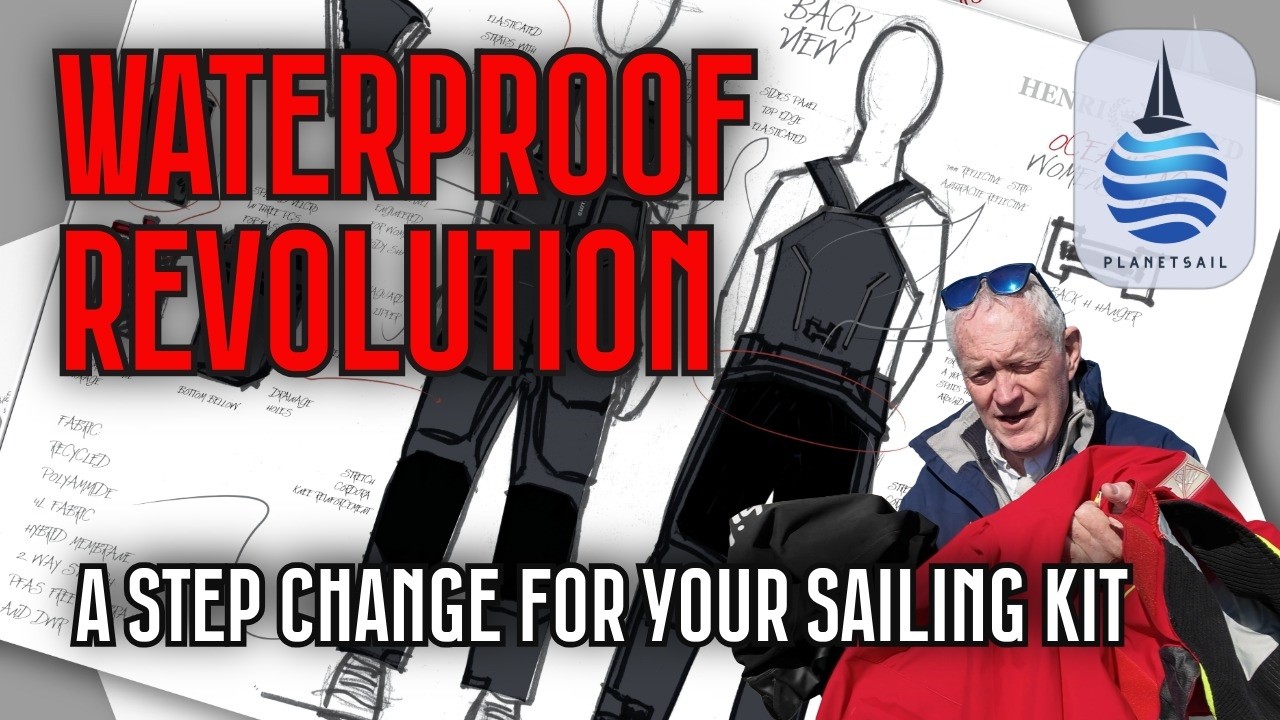
We find out why and how a change that will take place across the entire outdoor clothing market is going to affect the sailing kit you wear in the future as we head north to Henri Lloyd's base in Manchester at the heart of what was once known as 'Cottonopolis.' This city is where modern clothing manufacturing for the world began and while Henri Lloyd didn't start that revolution, its roots are firmly planted here reinforcing its position as world leaders in sailing clothing. The big change that will effect everyone who heads outside is that new regulations are set to ban a type of chemical, polyfluoroalkyl substances (PFAs), that have as been used for decades in the production of waterproof surfaces on clothing. In some countries around the world they have already been be banned while elsewhere the move is on its way. So, Matt Sheahan finds out what it means and why the biggest move in outdoor apparel has been so challenging