Welcome aboard to the our video site for sailors. We are being constantly blasted by scammers and pirates, so registration is invite only
contact@sailorsahoy.com with "Invite". No spam, no newsletters. Just a free account
Shorts Créer

0
0
0
0
36

0

0
0
0
2
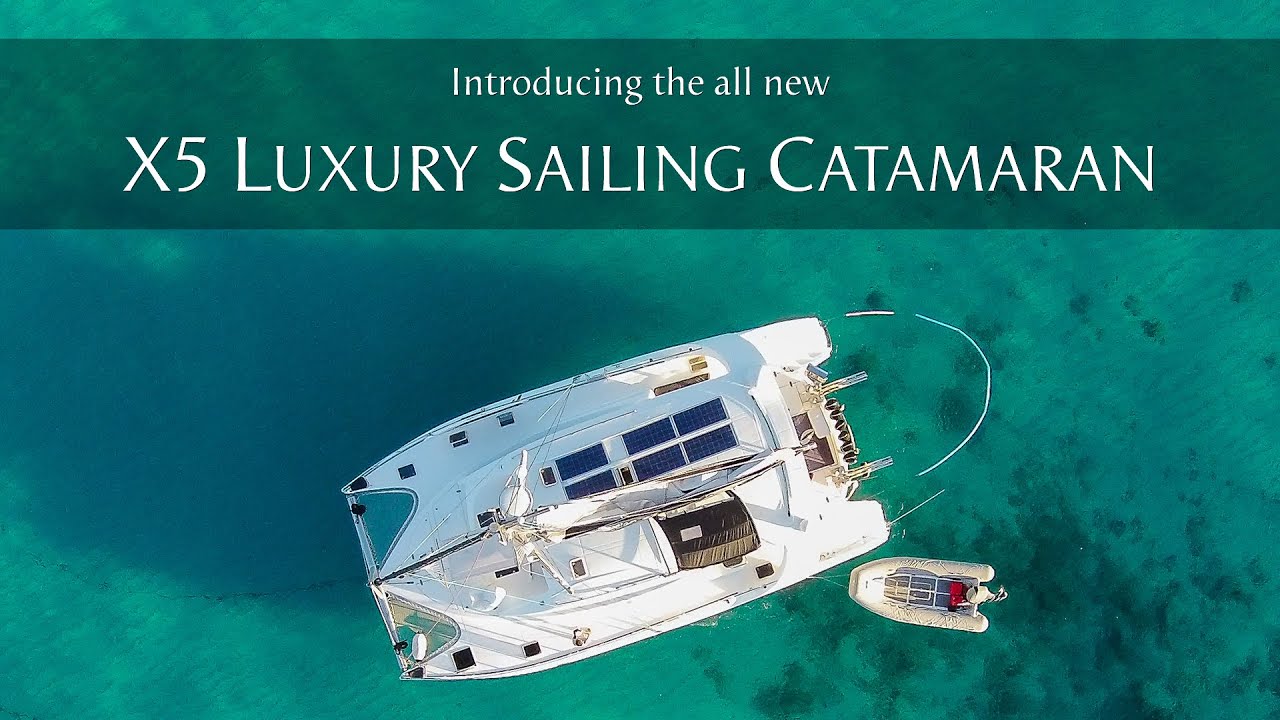
Teaser of the newly launched X5 Sail 50' luxury sailing catamaran Get more information @ xquisiteyachts.com

0
0
0
8,020

Is the Five Guys hot dog worth the price for its size? We dive into their generous portions and delicious chips, but how do they stack up against KFC's fries? Hear our honest take on this fast-food favorite. #FiveGuys #BurgerReview #FastFood #Foodie #HotDog

0
0
0
28
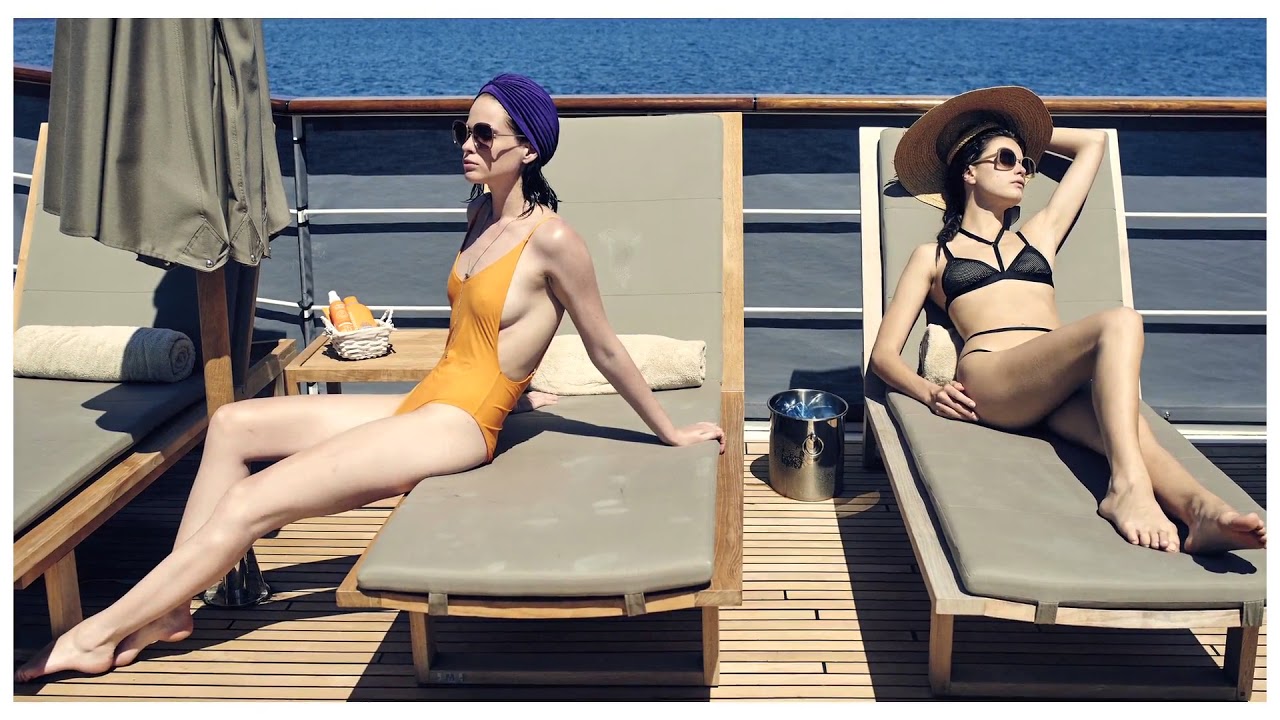
Classic motor yacht MENORCA (Ex Christina, Zurga) was launched in 1961 by the Dutch shipyard Botje Ensing & Co. She was refitted in 2004 by Titan Brokerage Corporation, followed by a further refit in 2017 by Mare A Terra. MENORCA accommodates 12 charter guests, in 7 stylish cabins. http://www.charterworld.com/index.html?sub=yacht-charter&charter=myzurga-6608&decache5=1509341305

0
0
0
2,136

Some video clips take during the shake down sail of an ORC 50 catamaran in Lorient, France. In it the shows off her new UK Sailmakers Titanium carbon sails.
0
0
0
2,803